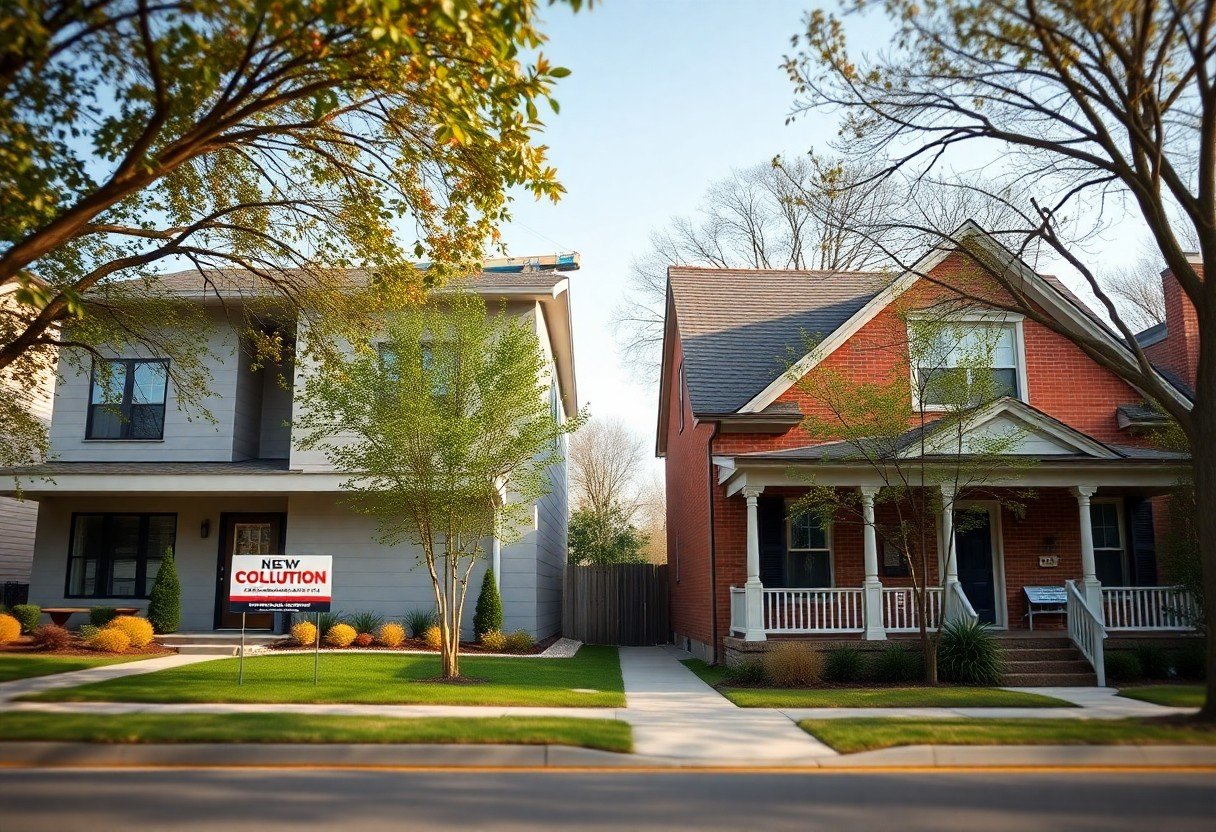
Construction gives you modern systems, warranties, and customization, while resale homes offer established neighborhoods and potential savings; assess maintenance, timelines, and resale prospects to choose what suits your priorities.

Key Takeaways:
- New construction offers customization, modern systems, and builder warranties that reduce early maintenance needs.
- Resale homes provide established neighborhoods, mature landscaping, and clearer comparable sales for pricing.
- Cost differences matter: new builds often have higher per-square-foot prices and upgrade fees, while resale homes may require renovation or surprise repairs.
- Timing affects plans: new construction can take months to finish and delay move-in, whereas resale homes usually allow quicker closings.
- Long-term value depends on priorities: new homes deliver energy efficiency and newer components, resale homes offer known histories and potentially stronger short-term resale comps.
Financial Considerations and Upfront Costs
Costs vary: new construction often demands higher deposits and upgrade fees, while resale may offer negotiation room but potential repair costs; you should weigh initial outlay against long-term expenses and resale prospects.
Comparing Purchase Price and Market Value
Price vs Value
| New Construction | Resale |
|---|---|
| Often higher list price with modern finishes | Price may be lower or negotiable |
| Included upgrades can boost perceived value | Older features can limit immediate value |
| Warranty can protect short-term value | Appraisal depends on comparable sales |
Pricing expectations: you typically pay a premium for new homes with modern finishes, while resale can be below market if you find motivated sellers; compare comps to assess true market value before committing.
Closing Costs and Builder Incentives
Closing fees vary: builders may offer credits, rate buydowns, or paid upgrades that lower your upfront costs, while resale purchases typically involve standard lender, title, and escrow fees you must budget for.
Examine typical closing costs – title, lender fees, escrow, inspections and HOA transfers – and compare builder incentives like closing-cost credits, temporary rate buydowns and included upgrades; you should verify whether incentives reduce your out-of-pocket or are built into price, and note any expiration, appraisal conditions, or lender restrictions.
Customization and Modern Design Standards
Customization allows you to specify layouts, finishes, and smart systems that meet current codes, while resale homes often require retrofits to reach comparable design and efficiency.
Personalizing Finishes in New Constructions
Choice of cabinetry, countertops, flooring, and fixtures in new builds lets you create a cohesive, contemporary look without costly renovations later.
Architectural Character and Charm of Resale Homes
Character in resale homes offers moldings, built-ins, unique proportions, and mature trees and gardens that often feel irreplaceable, though mechanical systems may need updating.
You should weigh the emotional appeal of original details against likely costs for electrical, plumbing, and insulation upgrades, and schedule inspections to estimate necessary work and timelines.
Maintenance and Long-Term Durability
You face lower immediate maintenance with new construction thanks to fresh systems and finishes, while resale homes may need updates or repairs sooner; factor routine upkeep, warranty transfers, and potential hidden issues into your long-term cost comparisons.
Builder Warranties and Structural Peace of Mind
Builder warranties often cover structural elements and major systems for set periods, so you can expect repairs without immediate out-of-pocket costs; verify scope, length, and transferability before relying on coverage.
Evaluating the Lifespan of Existing Systems
Evaluate roof age, HVAC hours, plumbing materials, and electrical panels to estimate replacement timelines, and have inspections provide you realistic repair schedules and costs.
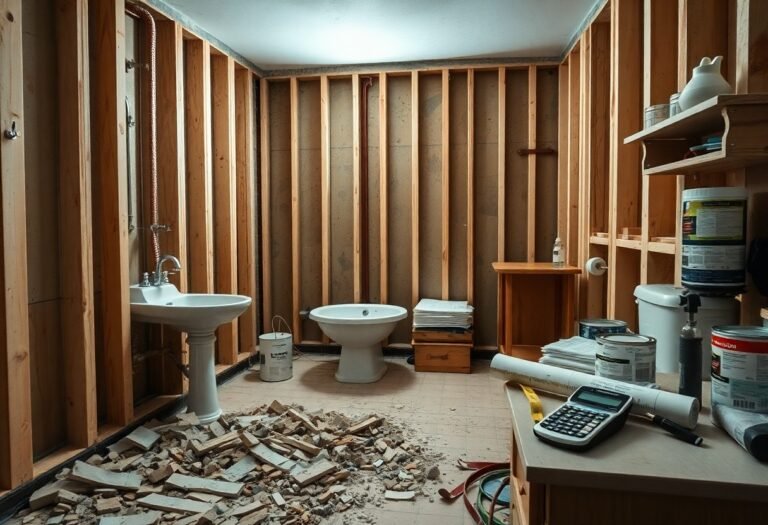
Roof age, HVAC service history, water-staining and the type of pipes and wiring reveal how soon you’ll face replacements. Ask sellers for maintenance records, request targeted inspections, and get contractor estimates for remaining useful life. Use those findings to adjust your offer, set escrow reserves, or add repair contingencies so you avoid surprise expenses after closing.
Energy Efficiency and Utility Expenses
Compare long-term utility costs: new construction often features high-efficiency HVAC, insulation, and appliances that lower monthly bills, while resale homes may need upgrades you’ll pay for over time.
Modern Building Codes and Green Technology
Newer builds must meet stricter codes, so you get improved insulation, efficient windows, and integrated smart systems that cut energy use and lower bills from day one.
Retrofitting Older Homes for Energy Savings
Older homes often lack modern insulation, but you can prioritize air-sealing, upgraded windows, and efficient HVAC to trim utility bills-expect upfront costs and gradual payback.
Plan retrofit projects by prioritizing air sealing, attic insulation, and efficient heating; add LED lighting, smart thermostats, and ENERGY STAR appliances, and get a home energy audit to identify high-impact upgrades so you can estimate costs, incentives, and expected savings.
Location and Neighborhood Maturity
Location determines everyday convenience, so you weigh commute times, school quality and nearby amenities against new-build advantages like modern floorplans and builder warranties.
Established Infrastructure vs. Developing Communities
Established areas provide utilities, public transit and shops already in place, so you benefit from predictability, while developing communities may offer lower prices but slower build-out and fewer services at first.
Lot Size and Landscaping Considerations
Lot size often favors resale homes, giving you more yard and mature trees; new construction typically has smaller, easier-to-maintain lots and enforced HOA planting rules.
You should inspect drainage, setbacks and tree placement, since grading and mature roots affect maintenance and expansion costs; factor irrigation, privacy screening and potential for a garden or outdoor living area when comparing options.
The Timeline for Possession
Expect variable timelines: new builds can take months from permit to move-in, while resales often close faster; weigh scheduling and your flexibility when choosing. See more on Buying New Construction vs. Resale Homes.
Managing Construction Delays and Build Times
When you choose new construction, weather, inspections, and supply setbacks can push move-in dates, so you should build buffer time into your schedule and contracts.
The Expedited Closing Process of Existing Homes
Existing resale homes often allow you to close quickly, sometimes within 30 days, if inspections and financing align.
Shorter closing windows require you to secure mortgage pre-approval, schedule inspections promptly, coordinate with sellers, and prepare funds; staying proactive reduces the risk of renegotiation or last-minute delays.
To wrap up
You should, ultimately, weigh budget, timeline, and maintenance: new construction provides warranties, energy efficiency, and customization but costs more; resale delivers established neighborhoods, character, and potential value gains but may require updates. Choose the option that matches your finances, lifestyle, and tolerance for renovations.
FAQ
Q: What are the primary cost differences between new construction and a resale home?
A: New construction often has a higher base price per square foot and additional premiums for desirable lots, model upgrades, and builder-selected options. Buyer incentives such as closing cost assistance or rate buy-downs can offset upfront price differences. Resale homes may appear less expensive but can require immediate investments for updates, roof or system replacements, and cosmetic repairs that increase total cost. Property taxes and insurance vary by location and assessed value, so comparing estimated carrying costs for the first 5-10 years gives a clearer picture than looking at purchase price alone.
Q: How do customization and finish options compare between new builds and resale properties?
A: New construction provides significant customization at the design stage, including floor plan modifications, appliance and fixture selections, and upgraded finishes, but those upgrades often come at marked-up builder prices. Resale homes offer existing character and mature landscaping with the option to remodel, which can be more cost-effective if you shop contractors and time projects. Timing differences matter: custom choices in new builds may extend the move-in timeline, while a resale allows immediate occupancy with renovation staged afterward.
Q: What should I expect for maintenance, warranties, and early repair costs?
A: New homes typically include builder warranties covering workmanship, mechanical systems, and sometimes structural elements for specified periods, reducing short-term repair risk. Expect manufacturer and installer warranty variations and strict claim windows, so keep documentation and complete punch-list walkthroughs. Resale homes lack new-home warranties, so thorough inspections are important to identify deferred maintenance and estimate near-term capital expenditures for items such as HVAC, water heaters, electrical upgrades, or roofing.
Q: How does potential resale value and appreciation differ between new and resale homes?
A: Long-term value depends more on location, school districts, lot quality, and local market trends than on whether a home is new or resale. Established neighborhoods with mature landscaping and proven comps often hold value predictably. New developments can appreciate well if demand grows, but rapid construction in a subdivision can temporarily suppress values as inventory increases. Quality of construction, finish levels, and neighborhood amenities influence how both types perform in resale markets.
Q: What are the timeline and contract differences I should prepare for when choosing new construction versus resale?
A: New construction involves staged deadlines for selections, deposits, and production schedules; weather, supply chains, and permitting can delay completion, so build time can range from months to a year. Contracts with builders often limit buyer contingencies and include predefined change-order processes and penalties for late decisions. Resale transactions typically close faster and allow inspection and financing contingencies, giving buyers more negotiation leverage. Work with a real estate agent experienced in builder contracts or resale contingencies to protect timelines, deposits, and inspection rights.