There’s mold in your home; you must assess size, contain the area, wear protective gear, dry surfaces, and call a professional for large or hazardous growth to protect your health and home.
Key Takeaways:
- Inspect and contain the area: close doors and turn off fans to limit spore spread.
- Protect yourself with gloves, eye protection, and an N95 respirator before cleaning.
- Fix the moisture source such as leaks or poor ventilation to stop mold regrowth.
- Clean small patches (under about 10 sq ft) with detergent and water; remove and discard heavily infested porous materials.
- Hire a qualified mold remediation professional for large infestations, hidden mold, or if occupants have health conditions.
Identifying the Type and Extent of Mold
You should inspect color, smell, and surface texture to distinguish common household mold from more hazardous strains, and note visible spread and moisture sources to plan remediation.
Distinguishing Surface Mildew from Toxic Strains
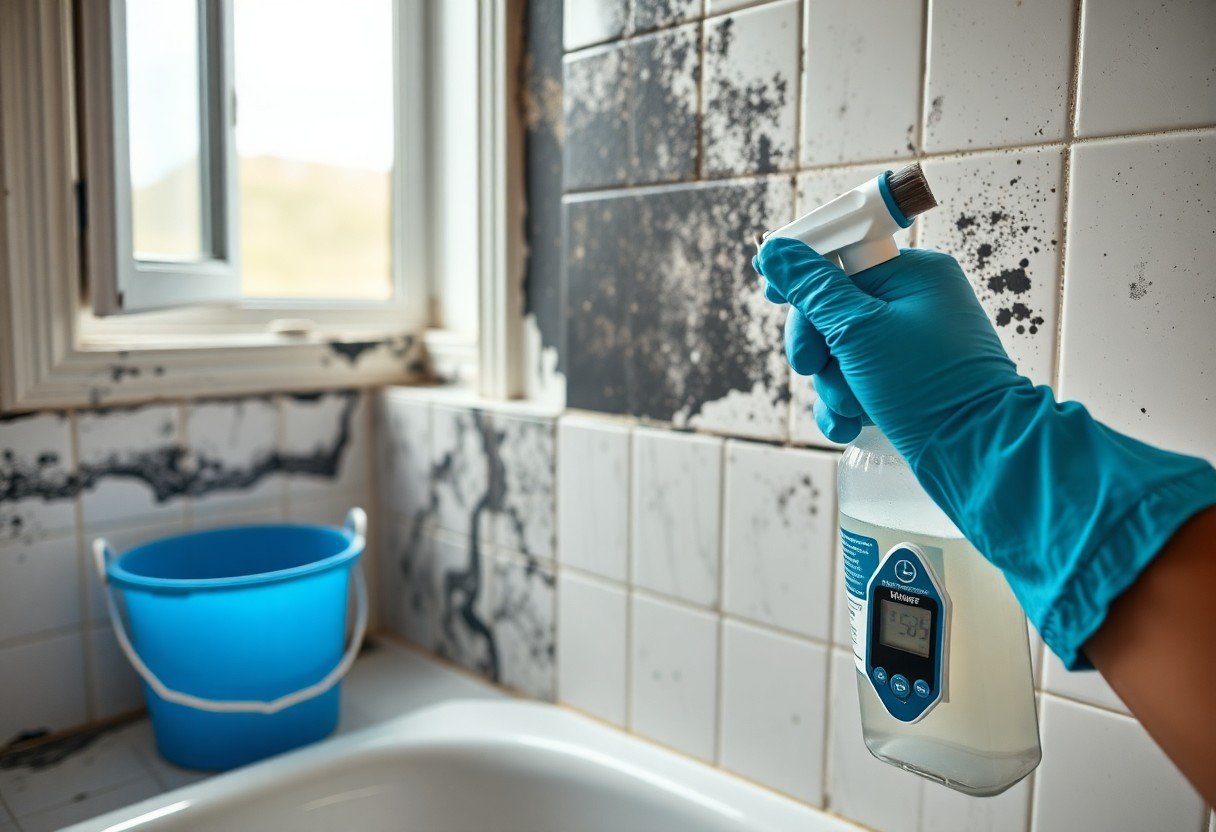
Visual inspection shows surface mildew is powdery, lighter, and confined to damp spots; toxic strains are often darker, slimy, or emit strong odors, so you should test samples or hire a professional.
Assessing the Total Square Footage of Contamination
Measure the contaminated area by mapping visible growth and damp drywall, flooring, and insulation; if mold covers more than 10 square feet, you should consider professional remediation and containment to prevent spread.
When you measure, include hidden cavities, wall cavities, HVAC ducts, and under flooring; use a moisture meter or infrared camera, photograph areas, and tally total square footage so you can decide whether cleaning falls within DIY limits or requires professional containment and full remediation.
Immediate Safety and Containment Protocols
Stop work, exit the area, and close the door to limit exposure; you should avoid disturbing the mold and consult Mold and Your Home: What You Need to Know for health guidance.
Essential Personal Protective Equipment (PPE)
Wear an N95 (or higher) respirator, gloves, eye protection, and disposable coveralls when dealing with mold; you should avoid fabric masks and keep PPE on until containment is complete.
Sealing the Area to Prevent Spore Migration
Seal doorways and vents with plastic sheeting and tape to limit spore spread; you should shut off HVAC and cover returns before cleanup.
Containment involves sealing seams with heavy-duty tape, installing a temporary zipper or flap for entry, and creating negative pressure with a HEPA-filtered exhaust fan to vent outside; you should run a HEPA air scrubber inside and check seals regularly to prevent leaks.
Addressing the Underlying Moisture Source
Identify and stop water sources before remediating mold: you should fix leaks, improve drainage, and dry wet materials within 24-48 hours to prevent regrowth.
Locating and Repairing Plumbing or Structural Leaks
Inspect plumbing, roofs, and foundation for leaks; you can tighten fittings, replace damaged pipes, and seal gaps to stop recurring moisture and mold.
Managing Indoor Humidity and Ventilation Deficiencies
Control indoor humidity by using dehumidifiers, running exhaust fans during cooking and showering, and venting dryers outdoors so you maintain relative humidity below 50%.
Monitor your home with a hygrometer and aim for 30-50% RH; you should run properly sized dehumidifiers in basements, clean and service HVAC filters and ducts, ensure exhaust fans vent outside, insulate cold surfaces to reduce condensation, and consider ERV/HRV or whole-house ventilation when you face persistent moisture problems.
Remediation Strategies for Affected Materials
You should assess each item’s porosity, isolate contaminated materials, and choose cleaning, disinfection, or safe disposal based on contamination severity; control moisture and document steps for professionals if needed.
Cleaning Procedures for Non-Porous Surfaces
Wear gloves and an N95 respirator, scrub non-porous surfaces with detergent and warm water, rinse, then apply an EPA-approved disinfectant; dry completely and inspect for recurring growth.
Safe Removal and Disposal of Porous Contaminants
Seal moldy porous items in heavy-duty bags, minimize agitation to limit spore release, and label for disposal; larger or structural materials often require professional removal to protect household air quality.
Consider using PPE, HEPA vacuums, and sealed transport if you remove porous materials yourself; follow local waste rules, avoid cross-contamination, and replace items like drywall or insulation when mold penetrates beyond surface cleaning.
Determining the Need for Professional Intervention
You should assess mold size, material, recurring moisture, and any health symptoms; surface growth under about 10 square feet can often be handled yourself with precautions, while widespread, hidden, or porous-material contamination requires professional assessment.
When to Hire Certified Remediation Specialists
Call certified specialists when mold covers more than 10 square feet, affects HVAC, penetrates drywall or insulation, causes persistent symptoms, or follows repeated failures of DIY cleanup; they contain spread, remove contaminated materials, and document the work.
The Role of Professional Air Quality Testing
Seek air testing if you suspect hidden contamination, unexplained symptoms, or inconsistent visual evidence; technicians measure indoor spore counts, compare to outdoor baselines, and advise whether remediation or clearance testing is necessary.
Expect detailed sampling to include viable and non-viable air samples, surface swabs, and settled dust analysis; the lab identifies species, quantifies concentrations, and puts results into context so you know whether exposure levels warrant aggressive remediation, targeted repairs, or simply monitoring.
Long-Term Prevention and Maintenance
Maintain a schedule for inspections, humidity control, and prompt repairs so you reduce mold recurrence and protect building materials and health.
Implementing Routine Moisture Inspections
Inspect basements, attics, plumbing, and HVAC annually and after storms; you should document moisture sources and fix leaks quickly to prevent mold growth.
Utilizing Dehumidification and Air Filtration Systems
Use dehumidifiers in damp areas and HEPA filters in vents to keep indoor humidity below 50% and lower airborne mold spores for healthier air.
Position dehumidifiers in basements, crawlspaces, and persistently damp rooms, selecting capacity by square footage and moisture load; aim to keep indoor relative humidity between 40-50% using a hygrometer. You should change dehumidifier and HVAC filters regularly, use HEPA filtration for living spaces, and inspect condensate drains and coils to prevent mold and maintain air quality.
Summing up
Now you should stop HVAC use, contain the area, dry leaks, clean small patches with detergent while wearing gloves and a mask, and hire certified remediation for extensive or toxic growth; document damage and consult your doctor if you have symptoms.
FAQ
Q: What is the first thing I should do when I find mold in my home?
A: Stop any active water source that is feeding the mold, such as shutting off a leaking pipe or fixing a running appliance. Put on protective gear including gloves, goggles, and an N95 or better respirator before entering the area. Close doors and vents to contain spores and, when possible, increase ventilation to the outside to reduce airborne concentration. Photograph the damage for documentation and assess whether the affected area is small and accessible or large and hidden inside walls.
Q: Can I clean the mold myself or do I need a professional?
A: Clean small areas yourself when mold covers about 10 square feet or less, the mold is on hard, nonporous surfaces, and no one in the household has severe allergies, asthma, or a compromised immune system. Hire a licensed remediation professional if mold covers a larger area, if it is inside HVAC systems, if the contamination follows sewage or contaminated flooding, or if you cannot find or stop the moisture source. Ask professionals for written scope of work, references, and proof of insurance before hiring them. Keep tests for mold to situations where test results will change your response, such as disputes with landlords or insurers.
Q: What is a safe, effective method for cleaning small mold patches?
A: Wear an N95 respirator, gloves, and goggles and seal off the work area to avoid spreading spores. Remove and discard porous materials like drywall, ceiling tiles, and carpets that show heavy growth; clean hard, nonporous surfaces with detergent and water and scrub until the stain is gone. Use a bleach solution for nonporous surfaces when appropriate: one cup of household bleach per gallon of water, applied carefully and never mixed with ammonia or other cleaners. Dry the area completely after cleaning and discard contaminated cleaning materials in sealed bags.
Q: How can I prevent mold from coming back after cleanup?
A: Control indoor humidity by keeping levels below about 50 percent with dehumidifiers or air conditioning and use exhaust fans in kitchens and bathrooms. Fix leaks in roofs, walls, and plumbing promptly and ensure gutters and grading channel water away from the foundation. Dry wet materials within 24 to 48 hours and improve insulation and ventilation in cold or damp areas to reduce condensation. Inspect attics, crawl spaces, and basements periodically for signs of moisture or recurring growth.
Q: What health risks does mold pose and who should avoid cleanup?
A: Mold exposure can cause nasal congestion, throat irritation, coughing, wheezing, eye irritation, and skin rashes in sensitive individuals. People with asthma, severe allergies, chronic lung disease, or weakened immune systems face higher risk of serious reactions and should avoid handling mold. Seek medical advice if symptoms persist after leaving the contaminated area or after cleanup. Hire professionals for remediation when health risks are present or when contamination is extensive or linked to hidden structural damage.