

Many buyers overlook inspection clues in listings; you should read descriptions, scrutinize photos, and parse disclosures like an inspector to spot structural, moisture, and system issues before a visit.
Key Takeaways:
- Property basics: verify year built, roof age, foundation type and visible cracks, and note any unpermitted additions.
- Systems and components: inspect HVAC function, electrical panel condition, plumbing materials, water heater age, and presence of DIY wiring or outdated systems.
- Exterior and site: check grading, gutters, drainage, roof condition, siding/flashings, and signs of past water entry or erosion.
- Interior red flags: watch for stains, mold or mildew smells, uneven floors, settling cracks, window/door operation, and evidence of concealed repairs.
- Documentation and disclosures: request past inspection reports, permit and repair records, appliance ages, and include an inspection contingency before closing.
Deciphering Real Estate Euphemisms
You treat listing euphemisms as coded signals: parse adjectives, note missing details, compare photos with floor plans, and demand exact measurements or disclosures to confirm conditions.
Translating “Cozy” and “Charming” into Square Footage
Measure adjectives like “cozy” and “charming” against local averages so you can estimate true square footage; request floor plans, ceiling heights, and closet dimensions to verify usable space.
Identifying Red Flag Phrases in Property Descriptions
Watch for phrases such as “as-is”, “handyman special”, “needs TLC”, or “cosmetic updates” because you should expect deferred maintenance, hidden costs, or noncompliant systems.
Check listings’ vague timelines like “recently updated” and unspecified repairs; you should request repair receipts, permit history, full disclosure statements, and a pre-offer inspection contingency to avoid surprises.
Analyzing the Photo Gallery for Structural Clues
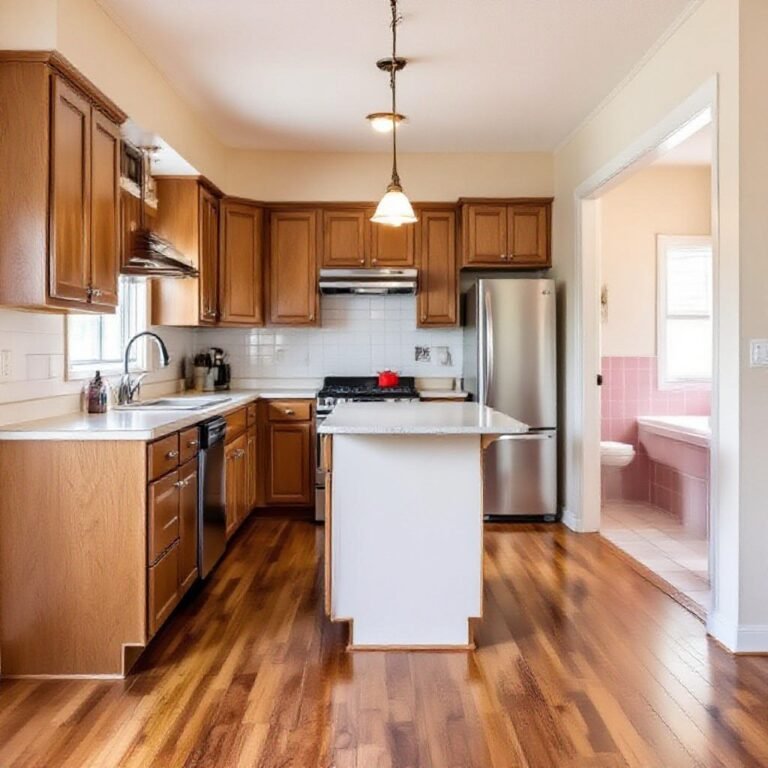
Photos force you to inspect framing, rooflines, and beam alignment for sagging, uneven gaps, or repeated touch-up work that suggests repairs or settling.
Spotting Foundation Shifts and Water Stains
Check for hairline or stair-step cracks in masonry, bowed floors, and staining along baseboards; you can infer settlement or chronic moisture from these patterns.
Recognizing Obscured Areas and Strategic Camera Angles
Observe shadowed corners, cropped doorways, or furniture-blocked views; you should flag images that hide connections, vents, or ceiling lines and request fuller perspectives.
If listings consistently show tight crops, tilted angles, or staged furniture, you should suspect concealment; ask for wide-angle shots of each room, close-ups of baseboards, roof eaves, and HVAC returns, and request exterior shots from multiple elevations. Comparing repeated angles across rooms helps you detect patched drywall, recent paint over stains, or inconsistent floor lines that indicate hidden defects.
Evaluating Major Systems and Component Age
Inspection of listing entries lets you gauge age and maintenance history of HVAC, roof, electrical, and plumbing so you can prioritize on-site checks and budget for near-term replacements.
Estimating HVAC and Roof Longevity from Listing Data
Estimate HVAC and roof lifespan from install dates, model numbers, and seller notes so you can flag units likely needing replacement within a decade.
Identifying Outdated Electrical and Plumbing Standards
Check listings for knob-and-tube, aluminum wiring, or polybutylene plumbing mentions so you can assess code gaps and likely safety or replacement needs.
You should cross-reference listed build year and permit history with photo clues-antique wiring, fused or ungrounded panels, cast-iron or polybutylene pipes-to estimate noncompliance risk and repair scope. Ask for disclosures and recent permits, budget for electrician and plumber inspections, and consider potential insurance or resale impacts when systems appear obsolete.
Assessing the Exterior Envelope and Site Grading
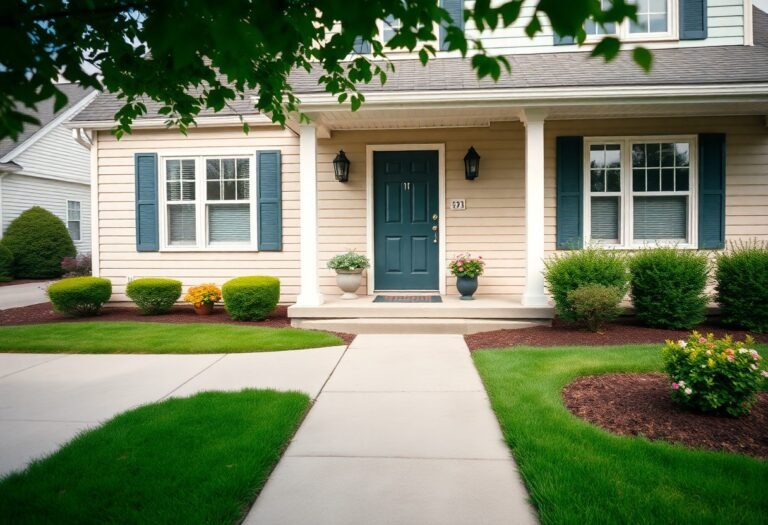
You examine rooflines, gutters, flashing and grade for signs of water intrusion or settlement, noting pooling, uneven slopes and any debris that channels water toward the foundation.
Evaluating Drainage Patterns and Soil Displacement
Observe how runoff travels around the lot, checking for eroded banks, soil displacement near footings, and downspouts that empty too close to the house.
Checking Siding Integrity and Window Seal Health
Inspect siding for cracks, warping or rot; test window seals for condensation, failed glazing and gaps that permit drafts or moisture penetration.
Focus on seams, nail pops and paint failure; press corners and under trim to detect soft spots, use a moisture meter where swelling or staining appears, and note any failed caulking or warped boards so you can quantify repairs and anticipate hidden moisture behind the cladding.
Differentiating Cosmetic Flips from Quality Renovations
Compare listed finishes, dates, and scope to judge if upgrades are cosmetic or substantive; consult photos, seller notes, and the listing guide How to Read a Property Listing: Key Information You … to spot missing technical details.
Spotting “Lipstick on a Pig” Surface Upgrades
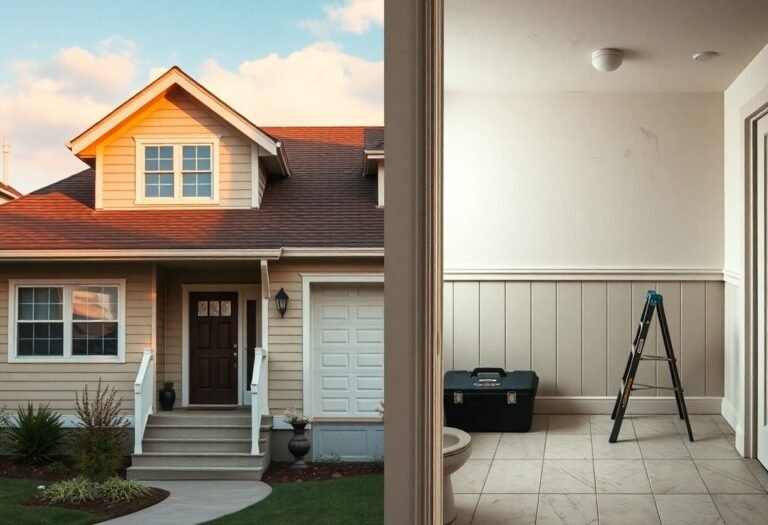
Check uniform new fixtures, fresh paint, and staged rooms against original layouts to reveal cosmetic-only updates that may hide system or structural problems.
Verifying Permits for Major Structural Modifications
Confirm permit references, contractor names, and final inspection dates listed so you can flag unpermitted walls, additions, or major roof and foundation work.
Inspect local building department portals and lookup permit numbers cited in the listing to confirm approvals for additions, structural changes, or major systems. Request copies of permits, final inspection reports, and contractor licenses from the seller and compare scopes to on-site conditions. Hire a qualified inspector or structural engineer if you find inconsistencies; unpermitted work can complicate financing, insurance, and resale.
Developing an Inspector’s Pre-Showing Checklist
Create a concise pre-showing checklist you carry into every listing: check visible roof lines, gutter condition, grading, obvious cracks, HVAC access, water stains, and permit evidence so you can focus on likely defects and estimate repair needs quickly.
Prioritizing High-Cost Repair Items
Prioritize structural elements, roof condition, and major mechanical systems first, noting ages and visible deterioration so you can assess likely replacement timelines and flag items that will drive buyer costs.
Formulating Technical Questions for the Listing Agent
Ask targeted technical questions about past repairs, permits, appliance and system ages, and any recurring issues you observe so the agent can supply documentation and clarify known conditions before your inspection.
When you prepare specific questions, ask for dates and documentation: roof replacement year, HVAC model and service records, water intrusion locations and repairs, foundation fixes with permit details, septic or sewer service logs, and any insurance claims. Request photos, receipts, and past inspection reports, and confirm access to attics, crawlspaces, basements, and mechanical rooms so you can verify conditions efficiently on-site.
Conclusion
Drawing together an inspector’s eye, you assess photos, floorplans, and descriptions for water stains, cracks, sagging floors, and missing systems, verify ages and permits, and flag inconsistencies for inspection, ensuring you prioritize structural, moisture, and safety concerns before touring.
FAQ
Q: What key listing details should I read first to assess a property the way an inspector would?
A: Start with the basics: year built, square footage, lot size, number of bedrooms and bathrooms, and the asking price. Scan the property description for phrases like “as-is,” “cosmetic only,” “needs work,” or “recently renovated” to understand seller expectations. Note any stated ages for major systems such as the roof, HVAC, water heater, and windows; those ages set likely inspection priorities. Check whether the listing mentions permits, unpermitted work, or recent major repairs, since those items change the scope of what an inspector will verify.
Q: How should I analyze listing photos to spot issues an inspector would want to verify?
A: Examine photos for subtle clues: ceiling stains, mismatched paint or flooring, sagging trim, uneven floors, or temporary repairs like tarps or plywood over areas. Look at exterior photos for grading, gutters, downspouts, foundation exposure, and roof condition; missing close-ups of the roof or attic access can be a red flag. Pay attention to what is not shown: lack of photos for mechanical rooms, crawlspaces, basements, or the exterior sides of the house often means problems are being hidden. Zoom in on fixtures and finishes to identify corroded hardware, rust, mold discoloration, or appliance gaps that suggest deferred maintenance.
Q: How do seller disclosures and public records inform an inspector’s approach to a listing?
A: Read the seller disclosure for mentions of leaks, water intrusion, material defects, pest problems, past insurance claims, and prior repairs; those items guide targeted inspection checks. Pull permit history and building department records to confirm whether renovations are permitted and inspected; unpermitted additions or electrical work change inspection scope and potential remediation costs. Use tax records and the local assessor’s site to verify square footage and legal descriptions, and consult floodplain and municipal GIS maps for drainage, easements, and sewer versus septic status.
Q: Which systems and components does an inspector infer from listing data, and which require on-site verification?
A: Listings can suggest roof age, HVAC type, electrical service size, and window condition, but on-site verification is required for true condition and safety. Inspectors prioritize structural elements, roof integrity, major mechanical systems, electrical panels and wiring, plumbing supply and waste lines, and evidence of moisture or pest intrusion. Interior issues such as insulation levels, hidden mold, or nonvisible foundation cracks need hands-on inspection and instruments like moisture meters, thermal cameras, and level checks. Exterior site conditions that affect the house-grading, drainage, tree proximity, and retaining walls-must be evaluated in person.
Q: What listing red flags should prompt specialized inspections or stronger contract contingencies?
A: Language such as “sold as-is,” “seller will not make repairs,” or omission of key area photos should trigger caution and a full inspection contingency. Significant price drops, long days-on-market combined with vague descriptions, or explicit statements about past water or fire damage should lead to specialized inspections for mold, structural integrity, and electrical/smoke damage remediation. Evidence or disclosures of unpermitted work, septic or well systems, knob-and-tube or aluminum wiring, roof issues, or persistent stains warrant a structural engineer, sewer scope, pest inspection, HVAC evaluation, or environmental testing as appropriate. Add clear inspection and repair contingencies to the contract when any of these red flags are present.