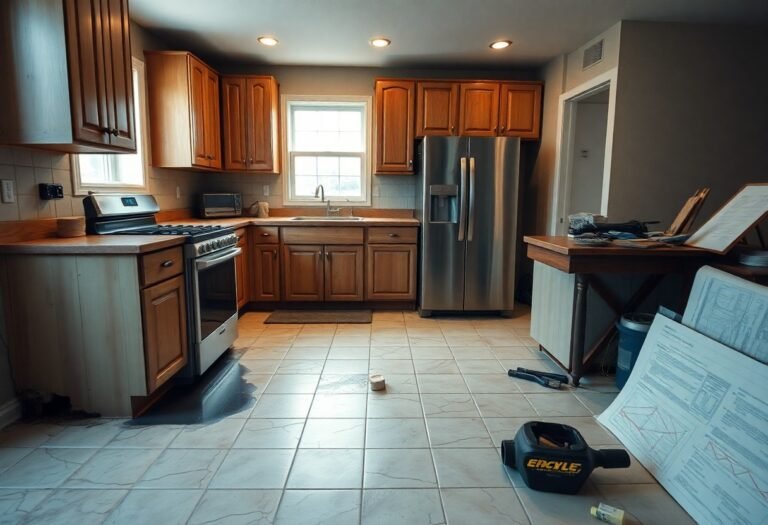
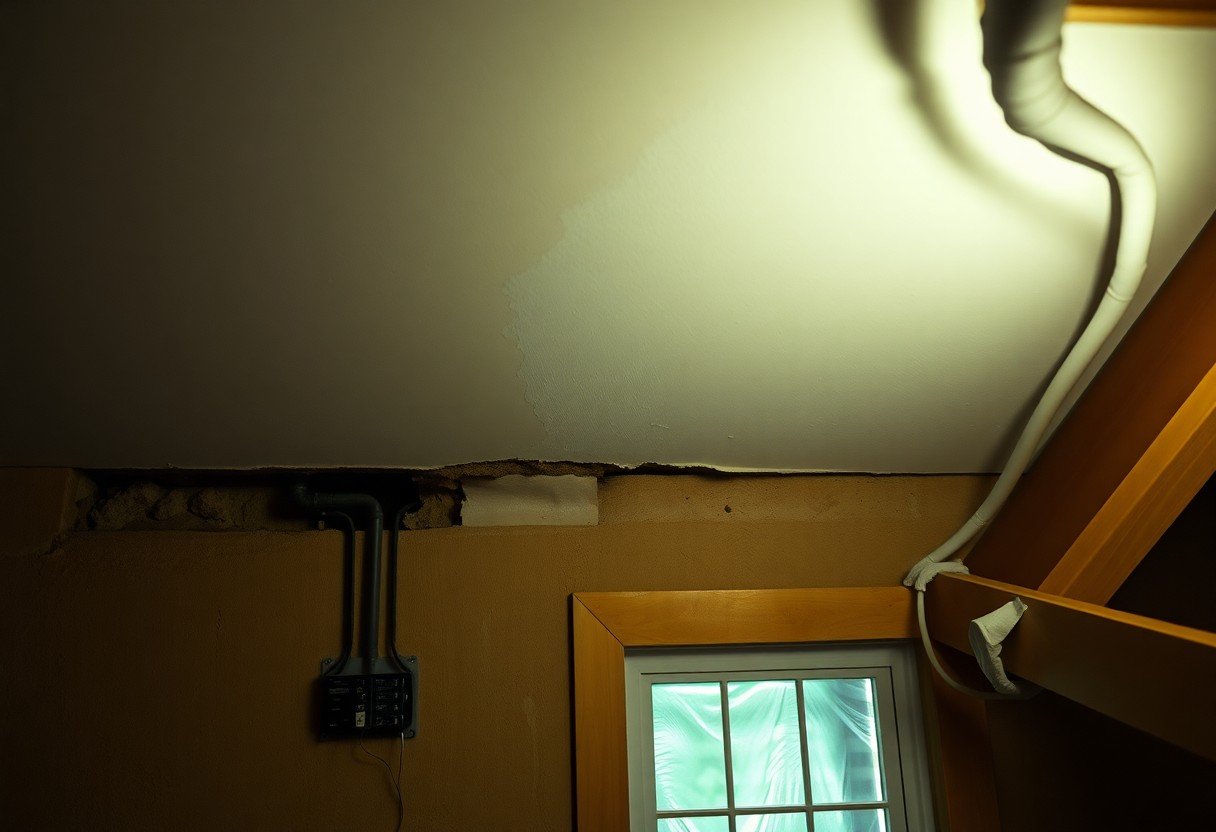
Over a home tour, you should inspect structural condition, roofing and drainage, electrical and plumbing systems, insulation and HVAC, layout and storage, signs of pests or water damage, and neighborhood noise and safety to assess long-term suitability.
Key Takeaways:
- Inspect structural and moisture indicators: roof condition, foundation cracks, sagging floors, and water stains in basements, ceilings, or around windows.
- Evaluate the layout and storage: room sizes, traffic flow, closet and cabinet space, and flexibility for furniture or future changes.
- Test major systems and appliances: run the HVAC, check water pressure and drains, examine the electrical panel, and note appliance ages and warranties.
- Assess natural light, ventilation, noise levels, and the view from key rooms at different times of day.
- Consider location and long-term costs: neighborhood safety, commute times, school quality, property taxes, recent comparable sales, and expected maintenance or renovation expenses.
Evaluating Structural Integrity and Foundation
Assess whether floors are level, walls plumb, and doors close properly; you should note visible cracks, sloping floors, moisture stains, and gaps around windows or doors that suggest foundation or structural movement.
Identifying Foundation Cracks and Settlement
Check for hairline and wider cracks in walls and the exterior foundation; note diagonal, stair-step, or widening patterns, and whether you see doors sticking, sloped floors, or fresh gaps indicating settlement.
Inspecting the Roof and Gutter Systems
Examine shingles for curling, missing pieces, or algae growth; check flashing, sagging gutters, and signs of leaks in the attic or under eaves, which signal deferred roof maintenance.
Inspect attic spaces for roof leaks, rot, and daylight penetration; you should look for water stains, damp insulation, and mold near rafters. Measure shingle granule loss and check age or manufacturer markings on shingles. Examine flashing around chimneys, vents, and valleys for gaps or rust. Ensure gutters are securely fastened, free of debris, and that downspouts direct water at least several feet from the foundation. Consider a professional roof inspection if you find repeated issues or visible sagging.

Assessing Mechanical and Electrical Systems
Inspect mechanical and electrical systems visually and test switches, outlets, and appliances; you should note odd noises, leaks, rust, and consider hiring a professional for a full diagnostic.
HVAC Age and Maintenance History
Ask about unit age, service records, and filter changes; you want confirmation of recent repairs because older systems may need replacement soon.
Plumbing Pressure and Electrical Panel Safety
Test faucets and showers for steady pressure, note slow drains, and you should open the electrical panel to scan for double-tapped breakers, corrosion, or loose wiring.
Examine plumbing pressure with a gauge while running multiple fixtures to detect drops; you should look for water stains, pipe corrosion, uneven flow, and trapped air. Open the electrical panel carefully, verify breaker labeling, check for warm breakers or burning odors, and call an electrician if breakers trip often or wiring appears frayed.
Analyzing Interior Layout and Functionality
Assess how rooms connect, traffic patterns, and potential layout changes while you tour; consult What to look for on a house tour for additional tips to spot functional issues and opportunities.
Traffic Flow and Room Versatility
Observe door placement, sight lines, and how you’d move between rooms; test tight corners and entry widths to see if daily routines and furniture arrangements suit your lifestyle.
Natural Lighting and Storage Solutions
Check window orientation, shading, and closet capacity during different times to judge brightness and whether storage meets your needs.
Consider testing light at morning and evening hours and imagining how you’ll use each area to judge suitability for tasks; note window size, glazing, and external obstructions. Open closets, pantries, and built-ins to assess adjustable shelving, hidden dead space, and any signs of damp. Plan simple upgrades like added shelving or task lighting to increase usable storage and comfort.
Examining the Property Exterior and Lot
Exterior inspection should cover rooflines, gutters, driveway, fencing, and visible foundation; note cracks, stains, or uneven surfaces so you can ask about settling or moisture issues.
Siding Integrity and Window Conditions
Inspect siding for rot, warping, or loose panels, and check windows for fogging, cracked seals, or rot so you can gauge repair needs and energy efficiency.
Grading, Drainage, and Landscaping
Survey the yard slope, downspout routing, and hardscapes so you can judge whether water is directed away from the foundation and whether plantings trap moisture against siding or footings.
Check the yard after a rain to spot low spots, pooling, or erosion that indicate poor grading; inspect gutters and downspouts to ensure they discharge at least 3-6 feet from the foundation, note saturated soil near footings, unstable retaining walls, or roots close to the house, and ask the seller about past drainage fixes or contractor reports before finalizing the sale.
Scrutinizing the Neighborhood and Surroundings
Observe the neighborhood at different times to gauge safety, street upkeep, and nearby development; you should note lighting, sidewalks, green spaces, and the general condition of surrounding homes.
Noise Levels and Local Infrastructure
Listen for persistent noises-traffic, trains, aircraft, or commercial activity-and visit during peak and quiet hours so you can judge how noise will affect daily life and sleep.
Proximity to Essential Amenities
Check distances to grocery stores, pharmacies, schools, and transit stops so you know if errands and commutes will be convenient or require a car.
Assess walking times and transit frequency so you can realistically plan daily routines; aim for a 10-15 minute walk to shops, check bus schedules, and test evening accessibility for healthcare and childcare. Ask about planned commercial or transit projects that may change convenience, and note parking, bike lanes, and grocery delivery options to ensure the location fits your long‑term needs.
Identifying Costly Red Flags
Look for structural issues, uneven floors, major cracks, outdated systems, and persistent odors-these often signal repairs that will hit your wallet.
Signs of Water Damage and Mold Growth
Check under sinks, around windows, and in basements for stains, peeling paint, or musty smells; you should note discoloration and warped materials as red flags that indicate hidden leaks or mold.
Pest Activity and Wood Rot
Observe for tiny holes, droppings, frass, hollow-sounding wood, or sagging soffits; you should ask about past treatments and inspect basements, attics, and crawlspaces for compromised framing.
Inspect for mud tubes, hollow-sounding beams, and blistered paint-these often mean termites or carpenter ants; you should get a pest inspection and structural assessment, since remediation and wood replacement can significantly increase repair costs.
Summing up
With these considerations in mind, you can assess the home’s structure, layout flow, storage, natural light, noise, HVAC and plumbing function, visible defects, and resale potential to determine whether the property fits your needs, lifestyle, and budget.
FAQ
Q: What structural and major systems should I inspect when touring a home?
A: Look for visible signs of structural problems such as large foundation cracks, sloping or uneven floors, sticking doors and windows, and bowed or bulging walls. Inspect the roof from the ground for missing or curling shingles, sagging areas, and gutter attachment; ask about the roof’s age and recent repairs. Check the basement or crawlspace for water intrusion, efflorescence, and signs of settling. Test basic systems by flipping breakers, running faucets, and turning on heating and cooling to confirm operation. Hire a licensed home inspector for a full evaluation of foundation, roof, electrical, plumbing, and HVAC systems.
Q: What should I look for regarding moisture, mold, and water damage?
A: Watch for water stains on ceilings and walls, peeling paint, warped floors, and a musty odor that may indicate mold. Inspect areas prone to leaks: under sinks, around tubs and toilets, near windows, and in the attic around roof penetrations. Check grading and downspouts to ensure water drains away from the foundation and look for pooled water on the lot. Request maintenance records for past leaks, repairs, and any mold remediation. Consider a moisture meter or a professional mold test when signs are present or if the home has a history of water problems.
Q: What should I check for in electrical, heating, and plumbing systems?
A: Open the electrical panel to note labeling, rust, double-tapped breakers, and the presence of a modern breaker system rather than outdated fuse boxes. Test GFCI outlets and check for obvious signs of old wiring such as cloth insulation or aluminum conductors. Run the HVAC systems to verify heating and cooling function, listen for unusual noises, and ask for service records and unit ages. Inspect the water heater for corrosion, proper venting, and visible leaks, and identify pipe materials to check for corrosion or outdated piping. Request a sewer scope when the property is older or trees are nearby to detect blockages or damage.
Q: What should I evaluate about the layout, storage, and everyday functionality?
A: Walk through typical daily routes to evaluate room flow, sightlines, and natural light in main living areas. Open cabinets, closets, and storage spaces to confirm adequacy and condition for your needs. Test doors, windows, and appliances to ensure they operate smoothly and seal properly. Count outlets and consider their locations for media, kitchen appliances, and home office needs. Note ceiling heights, room dimensions, and any structural features that would affect future remodeling or furniture placement.
Q: What exterior and neighborhood factors should I consider while touring?
A: Drive by and visit the street at different times to assess noise levels, traffic, street parking, and neighborhood activity. Check lot drainage for standing water, eroded soil, and how the yard slopes relative to the house. Inspect fences, driveways, sidewalks, and visible exterior finishes for condition and potential costs. Ask about HOA rules, known boundary disputes, utility easements, and recent nearby construction that could affect the property. Review local school options, transit access, and flood maps or past flood history if the area is prone to flooding.