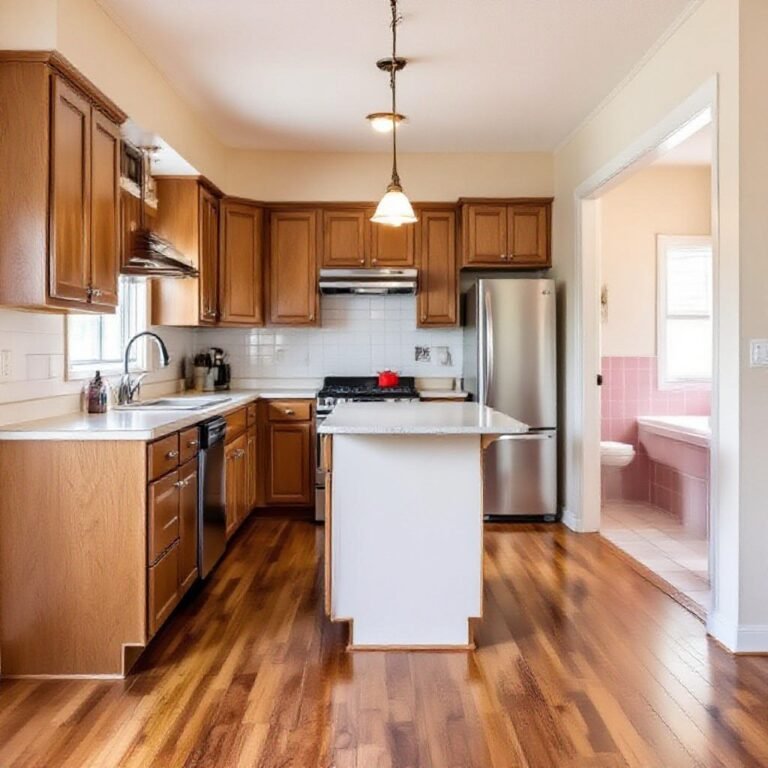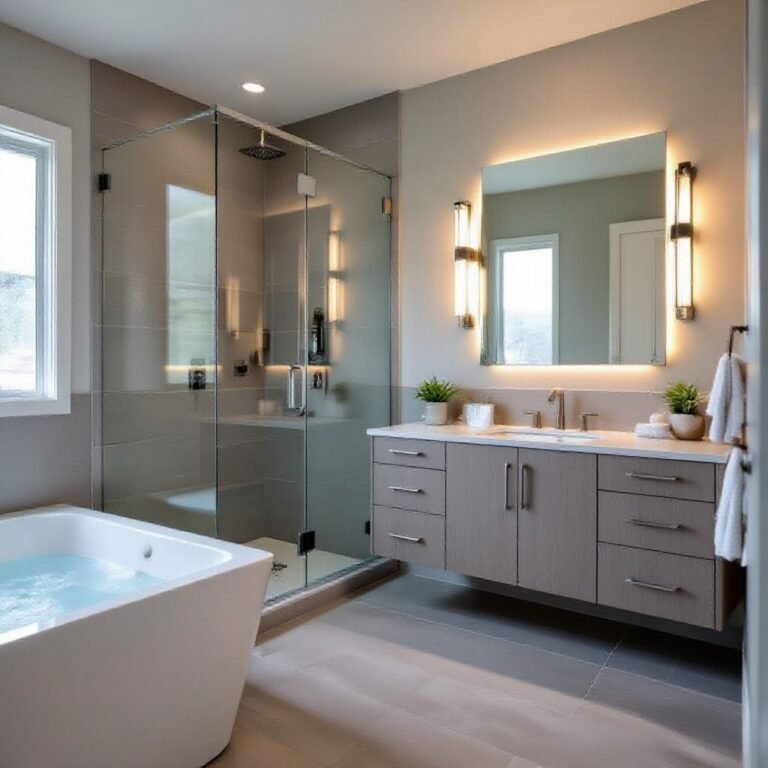

It’s practical to use verified sales data, match key property features, adjust for differences, and confirm with local records so you can identify accurate comps without guessing.
Key Takeaways:
- Multiple verified data sources: use MLS sold listings, county deed and tax records, title reports, and trusted portals to cross-check sale prices.
- Match comparables by property specifics: align bedroom/bath counts, finished square footage, lot size, age, condition, floor plan, and recent upgrades.
- Limit comps by proximity and recency: choose properties in the same neighborhood or subdivision and within an appropriate time window (typically 3-12 months based on market velocity).
- Adjust quantitatively for differences: apply price-per-square-foot baselines, paired-sales adjustments, and dollar adjustments for features like pools, garages, and major renovations; document each adjustment.
- Validate with on-site evidence and market signals: confirm condition with photos or walkthroughs, review active/pending listings and days-on-market trends, and consult local agent insight before finalizing comps.
Establishing Geographic and Temporal Boundaries
Set strict geographic and time limits so you compare truly similar sales and avoid skewed comps caused by distant markets or outdated transactions.
Defining Neighborhood Micro-Markets and Natural Borders
Map micro-markets using natural borders and street patterns so you evaluate only homes that share access, schools, and market drivers with the subject property.
Prioritizing Recent Closing Dates to Reflect Current Trends
Favor comparables closed within the last six months so you reflect current pricing, demand shifts, and rate-driven buyer behavior rather than stale transactions.
Analyze closing-date weight by giving higher weight to sales from the past 90 days, adjusting for market velocity and documented price movement, and note why you deweight older sales to justify your comp selection.
Assessing Physical and Functional Similarity
You focus on usable area, room function, and circulation to rule out misleading comps and ensure apples-to-apples comparisons.
Matching Square Footage, Room Counts, and Layouts
Compare gross and usable square footage, bedroom and bathroom counts, and traffic flow so you pair only properties with equivalent living space and function.
Evaluating Property Style, Age, and Construction Quality
Assess exterior style, floorplan, materials, and age so you align finishes and expected maintenance between comps and the subject.
Analyze roof type, foundation, structural updates, and finish levels to pinpoint value drivers tied to style and age. You should verify system ages, permitted additions, and original construction methods that affect durability and buyer expectations. Document visible defects, material mismatches, and any quality upgrades so you apply precise, evidence-based adjustments instead of guessing.
Accessing and Verifying Reliable Data Sources
Access multiple authoritative sources-MLS, county tax rolls, assessor databases, and title records-to assemble reliable comps. You should prioritize original sale documents and recent closings, flagging discrepancies in square footage, lot size, or sale conditions before accepting a comparable.
Leveraging the Multiple Listing Service (MLS) for Accuracy
Use the MLS to filter closed sales by date, neighborhood, and property features, then inspect agent remarks, photos, and status changes to confirm accuracy. You should exclude outliers and non-arm’s-length transactions when building your comp set.
Cross-Referencing Property Details with County Tax Records
Cross-reference MLS entries with county tax records to verify parcel numbers, legal descriptions, and recorded sale prices; you’ll spot discrepancies in square footage, lot boundaries, or conveyance types that distort comps.
Confirm parcel ID matches across assessor, recorder, and MLS files, then pull deeds, plats, and assessor sketches to validate building footprint and lot dimensions. You should review exemption histories, grantor/grantee chains, and permit records to uncover unrecorded improvements, boundary corrections, or atypical transfers that require adjustments to your comparable set.
Executing Precise Value Adjustments
You apply line-item adjustments using verified comps, isolating size, condition, and amenities so your final estimate reflects measurable differences instead of educated guesses.
Quantifying the Impact of Condition and Modern Upgrades
Evaluate condition and upgrades by assigning consistent dollar or percentage adjustments derived from recent sales, so you can model how renovations or deferred maintenance change market value.
Factoring in Lot Size, View Premiums, and External Influences
Consider lot size, view, and nearby nuisances as separate line items, applying premiums or discounts based on comparable sales that isolate those features for fair adjustments.
Analyze per-square-foot variations across lot sizes, calculate view premiums from matched sales with similar sightlines, and apply negative adjustments for external issues using proximate comps; document each adjustment, cite supporting sales, and run sensitivity ranges when exact matches are scarce so your conclusions remain defensible.
Identifying and Eliminating Market Outliers
You should exclude sales that distort comps by flagging atypical property conditions, unique improvements, or one-off lot sizes, then focus on consistent, comparable transactions for accurate valuation.
Recognizing Non-Arms-Length Transactions and Distressed Sales
Exclude transactions involving family transfers, seller financing between related parties, or distressed sales like foreclosures, since they typically fall outside market-driven pricing and mislead your comp set.
Accounting for Seller Concessions and Creative Financing
Adjust for seller-paid closing costs, rate buydowns, or assumable loans by normalizing sale prices to reflect true market value so your comps remain comparable and reliable.
Calculate concession-adjusted prices by adding back seller-paid incentives, estimating market-rate financing costs for creative terms, and converting non-monetary benefits into dollar equivalents; document your assumptions and sensitivity ranges so peers can audit and you can justify adjustments.
Final Data Validation and Verification
You should cross-check comps against public records, tax assessments and MLS sale records, spot outliers, and verify final sale prices before accepting values; use guides like How to Find Real Estate Comps for Free (Without a Realtor) for practical methods and free tools.
Analyzing Listing History and Original Asking Prices
Check listing history for price reductions and original asking prices to gauge market resistance; treat original asks as negotiation anchors, not final values.
Confirming Property Details through Direct Agent Outreach
Contact the listing agent to confirm finished square footage, recent renovations, and seller concessions; secure written confirmations and cite them when adjusting comps.
Ask the agent for documentation-permit records, contractor invoices, and final inspection reports-and verify dates; if you find unpermitted work, discount the comp or require corrective paperwork before relying on the sale.
Summing up
Considering all points, you should use recent verified sales of truly comparable properties, adjust for size, condition and location differences, exclude outliers, cross-check market trends and public records, and when unsure consult a licensed appraiser to avoid guessing.
FAQ
Q: How do I define which properties qualify as real comps?
A: Start by matching the subject property’s primary drivers: property type, square footage, bedroom and bathroom count, lot size, age or year built, and general condition. Limit comps to the same neighborhood or within a sensible walk/drive distance (typically 0.25-1 mile in urban areas, 1-5 miles in suburban/rural areas depending on local market). Use closed sales as the primary comparables and prioritize transactions within the last 3-6 months; expand the timeframe only if supply is thin and adjust for market trend. Exclude atypical sales such as estate cleanouts with heavy discounts, large investor bulk sales, or sales with large seller concessions unless the subject shares those traits.
Q: Where can I find reliable, non-guessing data for comps?
A: Use the local MLS as the first source for complete listing and closed-sale data, including DOM, original list price, and agent notes. Pull county recorder or assessor records for verified sale dates and recorded prices. Check title company or closing statements when available to confirm sale terms and concessions. Use paid data services (CoreLogic, Black Knight) for deeper history and public-record aggregation. Supplement with broker price opinions, recent appraisal reports, and on-the-ground verification like photos, virtual tours, or drive-bys to confirm condition and upgrades.
Q: What methods should I use to adjust comps so I’m not guessing on value differences?
A: Quantify adjustments with paired-sales analysis when possible: compare two similar properties that sold at different prices and isolate the feature causing the difference. Use per-square-foot adjustments as a baseline but refine with room-count, bathroom, lot, and condition dollar adjustments derived from local data. Apply time adjustments based on measured market appreciation or depreciation (calculate percent change from recent market index or average price change per month). Document each adjustment and show calculations: list comp price, subtract or add each dollar adjustment, then derive an adjusted price per comp.
Q: How can I verify comp accuracy and avoid hidden pitfalls that lead to guessing?
A: Cross-check sale price against the recorded deed and closing documents to detect short sales, bank-owned discounts, or private-party financing that skew price. Review listing history to see price reductions and marketing time that might indicate distress. Inspect photos, property descriptions, or conduct a drive-by to confirm condition, upgrades, and functional obsolescence. Use statistical checks: compute mean and median of adjusted comp prices and identify outliers; discard comps more than one interquartile range beyond peers unless you can justify the difference with solid data.
Q: What is a repeatable workflow to find real comps without guessing?
A: Define the subject’s parameters first: type, size, beds/baths, lot, age, and condition. Query MLS and public records for closed sales within the chosen distance and timeframe, then filter to the closest matches by features. Select 3-6 best comps, record raw sale details, and compute adjustments for each feature and time. Convert adjusted comp prices into a reconciled value range and cross-validate with price-per-square-foot, recent listings, and market trend indices. Save sources, adjustment logic, and sensitivity notes so the process can be audited or repeated for future appraisals.