With visible damage, frequent leaks, or shingles curling, you should replace your roof to protect your home, maintain value, and avoid costlier repairs.
Key Takeaways:
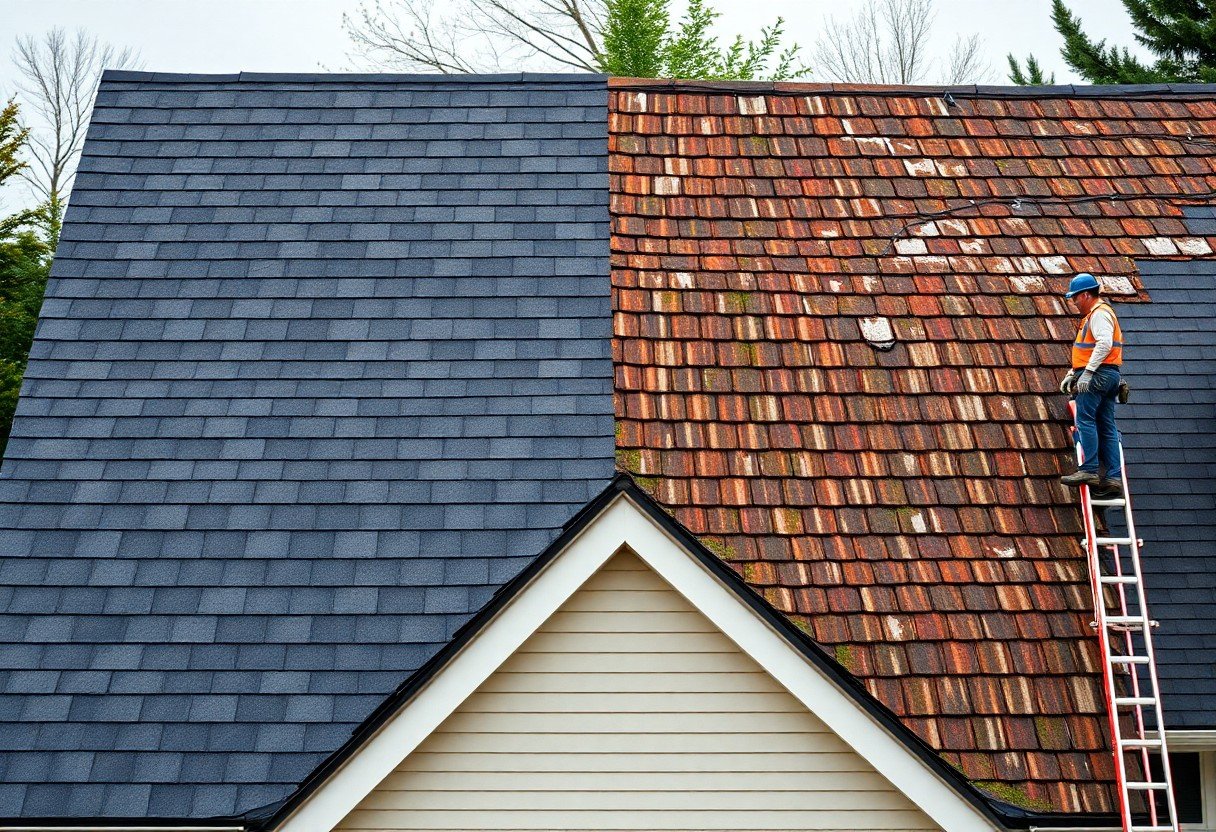
- Asphalt shingle roofs typically last 20-25 years; replace when shingles are curled, cracked, missing, or granule loss is extensive.
- Visible leaks, ceiling or attic water stains, or a sagging roof deck require replacement to stop structural deterioration.
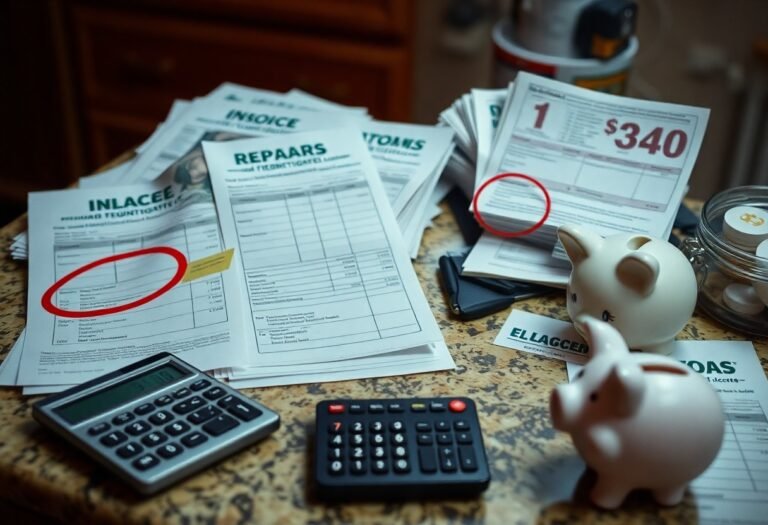
- Frequent repairs or rising repair costs justify replacement when cumulative repair expenses approach the cost of a new roof.
- Storm damage-large areas of missing shingles, lifted flashing, or hail pockmarks-often necessitates replacement and may be covered by insurance.
- Professional inspection findings such as widespread rot, failed flashing, or deteriorated underlayment indicate full replacement rather than piecemeal fixes.
Evaluating the Age of Your Roofing Material
Your roof’s age influences replacement timing; check manufacturer dates, installation records, and visible deterioration-if materials approach their expected life or show persistent problems, plan replacement rather than patching.
Standard Lifespan of Asphalt Shingles
Asphalt shingles typically last 20 to 30 years; you should inspect for granule loss, curling, or exposed felt and consider replacement when widespread wear or leaks appear.
Durability Expectations for Metal, Tile, and Slate
Metal, tile, and slate often exceed 40 years; you should watch for fastener corrosion, cracked or slipped tiles, and slate delamination as signs that individual components or the whole roof need attention.
When evaluating tile and slate, you should inspect underlayment condition, flashing integrity, and localized damage, and for metal roofs check coatings and sacrificial layers to plan targeted repairs before failure.
Internal Indicators Within the Attic
Inside the attic, you should inspect insulation, rafters, and sheathing for leaks, rot, or sagging; persistent moisture, warped wood, or compressed insulation are strong signs you need a roof replacement.
Detecting Water Stains and Mold Growth
Check for dark water stains, mold patches, or musty odors near vents and seams, as these often mean hidden leaks that will worsen if you delay replacing the roof.
Identifying Light Penetration Through Roof Boards
Look for small shafts of daylight between boards or through the roof deck when inspecting from the attic; each visible beam signals a breach where water, pests, and drafts enter, indicating your roof may need replacement.
During a daytime attic check, hold a flashlight toward the roof deck and note any pinpoint light or broader shafts, then mark those spots for exterior review. Use a ladder to inspect from above at night or have a helper illuminate while you watch from inside; larger or multiple penetrations typically mean the decking or underlayment has failed. If you see several openings or concentrated light, plan a full roof evaluation and likely replacement.
Structural Integrity and Roofline Assessment
Assess your roofline for dips, uneven eaves, or separation at roof-to-wall junctions that signal structural compromise. You should note changes after storms, persistent leaks, or visible sagging at rafters. Early identification helps decide between targeted repairs and full replacement.
Recognizing Sagging or Drooping Sections
Check attic and exterior for sagging roof planes, uneven shingles, or doors and windows that stick-signs your roof deck or rafters may have weakened. You should inspect during daylight from ground and in the attic for daylight gaps or rot to assess urgency.
Evaluating the Condition of Roof Decking and Supports
Inspect decking for soft spots, mold, or buckling when you walk the attic; pay attention to bowed rafters, separated nail lines, or cupped sheathing. These signs indicate compromised supports that may necessitate replacing sheathing or structural elements rather than just shingles.
Examine decking by probing with a screwdriver, using a moisture meter, and checking fastener patterns; persistent soft spots, widespread rot, or failed hangers often mean the deck and framing require replacement. You should document affected areas, consider sistering rafters versus full replacement, and obtain a structural contractor’s assessment to define scope and costs.
Impact of Environmental and Storm Damage
Storms and seasonal conditions accelerate wear, so you should inspect shingles, flashing, and gutters after major events and during routine checks to decide if replacement is warranted.
Assessing Effects of Hail and High-Wind Events
Hail strikes and high winds can dent shingles, knock off granules, and loosen flashing; you should look for bruises, missing tabs, and leaks that indicate replacement rather than repair.
Long-Term UV Degradation and Moss Accumulation
Sun exposure breaks down asphalt, leading you to notice cracking, curling, and accelerated granule loss that shorten roof life and may require replacement sooner than age alone suggests.
Moss and algae trap moisture against shingles and accelerate UV breakdown; you should remove growth carefully, inspect underlying decking for rot, and consider full replacement if widespread lifting, soft spots, or persistent moisture remain despite cleaning and repairs.
Financial and Efficiency Benefits of Replacement
Replacing your roof reduces repair costs and improves energy efficiency, saving you money and lowering insurance risk; see 10 Important Signs You May Need a New Roof to time the upgrade.
Improving Home Insulation and Energy Costs
Upgrading your roof improves insulation, cutting heating and cooling expenses so you notice lower energy bills and steadier indoor comfort.
Enhancing Property Value and Curb Appeal
A new roof refreshes curb appeal and raises resale value, helping you attract more buyers and command higher offers.
Investing in quality materials and modern colors lets you shorten time on market, justify premium pricing, and promote confidence through warranties and energy ratings.
Summing up
To wrap up, you should replace your roof when it’s past its service life, shows widespread curling, missing shingles, leaks, sagging, or when repair costs approach replacement cost-consult a professional for inspection to protect your home and investment.