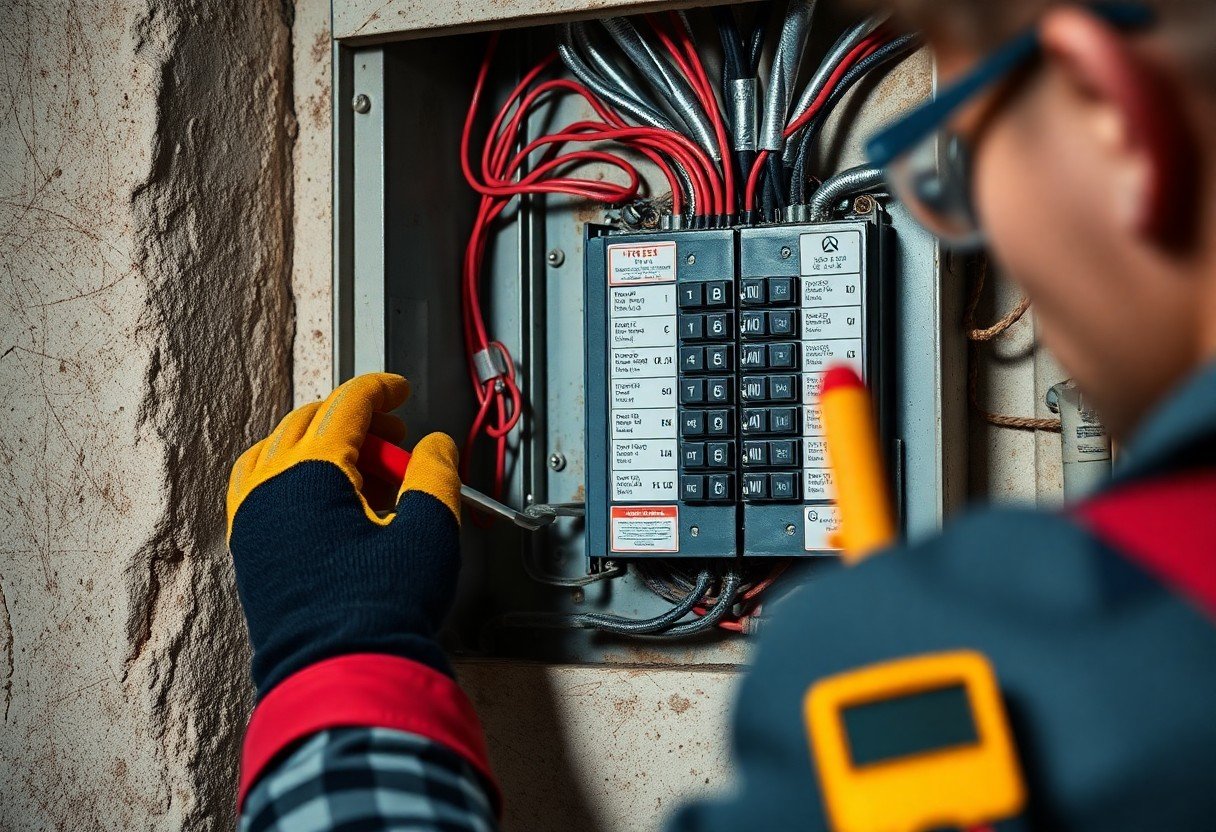
Upgrade your electrical panel when you add major appliances, experience frequent breaker trips, notice burning smells or scorching, have outdated fuse boxes, or plan a home renovation; consult a licensed electrician to assess capacity, safety, and code compliance to protect your home and avoid hazards.
Key Takeaways:
- Panels older than 20-30 years, fuse boxes, 60-100 amp service, or known unsafe brands (Federal Pacific, Zinsco) indicate a likely need for replacement.
- Frequent breaker trips, persistent flickering lights, tripped GFCIs, or warm/burning odors near the panel point to capacity or safety problems requiring an upgrade.
- Adding high-demand equipment (electric vehicle charger, HVAC, electric range) or major remodeling that increases circuit load typically requires higher amp service and a panel upgrade.
- Panels with no available breaker spaces limit new circuits and may need replacement or installation of a subpanel to accommodate additions.
- Insurance requirements, modern electrical code compliance, or the presence of outdated wiring (knob-and-tube, aluminum) can mandate a panel upgrade for safety and coverage.
Recognizing Physical Signs of Deterioration
Signs of wear on your electrical panel-rust, loose wiring, or scorch marks-show aging components that may require an upgrade to keep your system safe and reliable.
Frequent Circuit Breaker Tripping
Frequent breaker trips when you run normal appliances often mean the panel is overloaded or breakers are failing, signaling the need to assess capacity and consider an upgrade.
Evidence of Overheating or Burning Odors
Detecting a burning smell or seeing discoloration around the panel warns you of overheating, which can lead to dangerous failure and requires immediate professional evaluation.
When you notice warm breakers, melted insulation, or repeated flickering lights alongside odors, shut off power if safe and call a licensed electrician to inspect, identify hotspot causes, and recommend replacement or repair options.
Safety Risks of Outdated Technology
Aging electrical panels increase fire and shock risk, so you should assess signs like frequent breaker trips or warm covers and consult community experiences in Is it necessary to upgrade your electrical panel?
Hazards of Legacy Fuse Boxes
Fuses often can’t handle modern appliance loads, leaving you exposed to overheating, arcing, and hidden wiring damage; you should replace them with modern breakers for better protection.
Recalled Panel Brands and Manufacturers
Certain recalled panels have known failure modes that prevent proper breaker tripping, so you should check whether your model is listed and hire a licensed electrician if it is.
Check recall lists for brands such as Zinsco, Federal Pacific, and Challenger; these models have been linked to overheating and failure to interrupt faults, and you should arrange inspection and replacement promptly if your panel matches any recalled type.
Capacity Demands of Modern Appliances
Appliance power draws have climbed, and you may find your panel overloaded when multiple devices run at once. High-efficiency HVAC systems, EV chargers, and induction stoves can exceed older panels’ capacity, causing frequent tripping or dimming lights-clear signs you should upgrade to handle today’s electrical loads safely.
Integrating High-Voltage Kitchen Equipment
Installing an induction range or commercial-style oven often requires a dedicated 240V circuit and higher amperage than older kitchens offer, so you may need a panel upgrade or subpanel to prevent overloads and protect other circuits.
Supporting Smart Home Infrastructure
Connecting dozens of devices-sensors, cameras, EV chargers, and HVAC controls-increases continuous load and peak demand; you may need more circuits, larger service, or dedicated breakers to keep systems reliable when everything runs together.
Consider having a licensed electrician perform a formal load calculation, assess neutral and grounding, and recommend service size or a subpanel. You should install dedicated circuits for EV charging and HVAC, add whole-house surge protection, and plan capacity headroom so firmware updates, backups, and simultaneous device peaks don’t overwhelm your panel.
Home Expansion and Renovation Requirements
You should evaluate your panel when planning expansions; added appliances and HVAC can exceed capacity, creating tripped breakers or fire risks, so upgrades are often necessary to support increased load safely.
Adding New Circuits for Room Additions
If you add a room, you may need new circuits for lighting, outlets, and dedicated appliances; installing them requires panel space and possibly a service upgrade to handle the extra load.
Compliance with Current Building Codes
Local codes can mandate panel upgrades when capacity, grounding, or breaker types don’t meet current standards, so you must confirm requirements before filing permits or finishing work.
Before you start, check permit and inspection requirements in your jurisdiction; inspectors often require upgraded service amperage, modern breakers (AFCI/GFCI), proper grounding and neutral arrangements, and correctly sized conductors. You should hire a licensed electrician to assess load calculations, submit plans, and ensure the panel meets code so inspections pass and long-term safety is maintained.
The Importance of Professional Load Calculation
Professional load calculations let you match panel capacity to actual household demand, prevent frequent breaker trips, and prioritize upgrades that address overloaded circuits.
Assessing Total Amperage Requirements
Calculating your total amperage reveals whether simultaneous appliance use will exceed service limits, guiding whether you need a larger main breaker or panel reconfiguration.
Ensuring Proper Grounding and Bonding
Grounding and bonding checks ensure all equipment grounds are continuous, neutrals are isolated at the service point, and electrodes are properly connected to reduce shock and fire risk.
Inspectors will verify conductor sizing, clamp tightness, and corrosion on grounding electrode conductors and bonding jumpers, confirm neutral-to-ground bonding occurs only at the main service disconnect, and test electrode continuity; you should correct loose bonds, missing electrodes, or improper shared neutrals to meet code and improve safety.
To wrap up
Now you should consider an electrical panel upgrade if breakers trip often, lights flicker, your home uses older knob-and-tube or fuse panels, you add high-demand appliances, or the panel feels warm or emits a burning odor; a licensed electrician can assess capacity and safety.
FAQ
Q: What are the warning signs that I need an electrical panel upgrade?
A: Frequent breaker trips, flickering or dimming lights when major appliances run, or a burning smell near the panel indicate the panel may be overloaded or failing. Warm or buzzing panels, visible rust or corrosion, and double-tapped breakers (two wires under one breaker screw) signal unsafe conditions. Older service equipment such as fuse boxes, Federal Pacific, or Zinsco panels often fail to protect circuits and commonly require replacement. New appliance installations that repeatedly trip breakers or require multiple extension cords are practical signs your service capacity is insufficient.
Q: How do I determine the correct amperage for my home’s electrical service?
A: A licensed electrician performs a load calculation using appliance ratings, HVAC, electric range, water heater, EV charger, and general lighting and receptacle loads to determine required amperage. Typical modern homes use 200-amp service to support ranges, central air, electric heat, and EV charging. Smaller or older homes sometimes have 100-amp service, which can be insufficient for major upgrades or heavy electrical demands. Planning for future additions such as a workshop or vehicle charger will influence the choice of service size.
Q: What does an electrical panel upgrade involve and how long does the work usually take?
A: The upgrade process begins with an inspection, quote, and permit application, followed by a scheduled power shutdown. The electrician removes the old panel, installs the new panel and breakers, reassigns and labels circuits, and tests the system; a meter or service mast may also be upgraded if needed. Typical straightforward upgrades take 4 to 8 hours, while service changes, meter relocation, or extensive rewiring can extend to one or two days. A final inspection by the local authority confirms code compliance before the work is considered complete.
Q: How much does an electrical panel upgrade cost and what factors influence the price?
A: Basic panel replacements without service amperage changes commonly range from about $1,200 to $3,000, while upgrades to 200-amp service or jobs requiring new meter bases, service conductors, or grounding can run $2,000 to $5,000 or more depending on region. Key cost drivers include service amperage, the number of new circuits, permit and inspection fees, accessibility of the panel, required service conductor or meter work, and remediation of poor or hazardous wiring discovered during the job. Homes with knob-and-tube wiring, asbestos, or structural access issues typically face higher labor and remediation costs.
Q: Can I upgrade the electrical panel myself or should I hire a licensed electrician?
A: Electrical panel work involves service disconnection, local code compliance, and permits that generally require a licensed electrician and inspection to ensure safety and insurance coverage. Improper installation creates fire and shock hazards and may void homeowner insurance or fail final inspection. Obtain a licensed electrician who carries insurance, provides written estimates, secures permits, and offers a warranty on work and parts.