
remodel projects that alter your home’s structure, electrical, plumbing, or exterior usually require permits; contact your local building department, get approvals before work begins, and follow code requirements to avoid fines, delays, and safety hazards.
Key Takeaways:
- Most structural changes and work on electrical, plumbing, HVAC, or gas systems require a permit, including moving load-bearing walls or altering service lines.
- Adding square footage, building new rooms, finishing basements, expanding decks, or converting garages almost always needs a permit.
- Cosmetic projects like painting, flooring, cabinets, and trim typically do not require a permit unless they affect structure or building systems.
- Local building departments and homeowner association rules define exact permit requirements, fees, and submittal documents-contact them before starting work.
- Obtaining permits schedules inspections that confirm code compliance and safety and helps preserve resale value and insurance coverage.
Understanding the Purpose of Building Permits
Permits protect you and the public by confirming that planned work meets safety and code requirements; they also document approved changes so future owners and inspectors know what was built.
Ensuring Structural Integrity and Occupant Safety
Your permit review ensures engineers and inspectors verify load-bearing changes, electrical upgrades, and fire-safety measures, reducing risks of collapse, shock, or other hazards to occupants.
Maintaining Compliance with Local Zoning Ordinances
Zoning rules require you to follow setbacks, height limits, and use restrictions, and permits confirm your project aligns with those standards.
Before you file, check setbacks, lot coverage, floodplain rules, parking requirements, and historic-district restrictions; failing to secure necessary variances can trigger stop-work orders, fines, or mandated changes.
Major Structural Alterations Requiring Approval
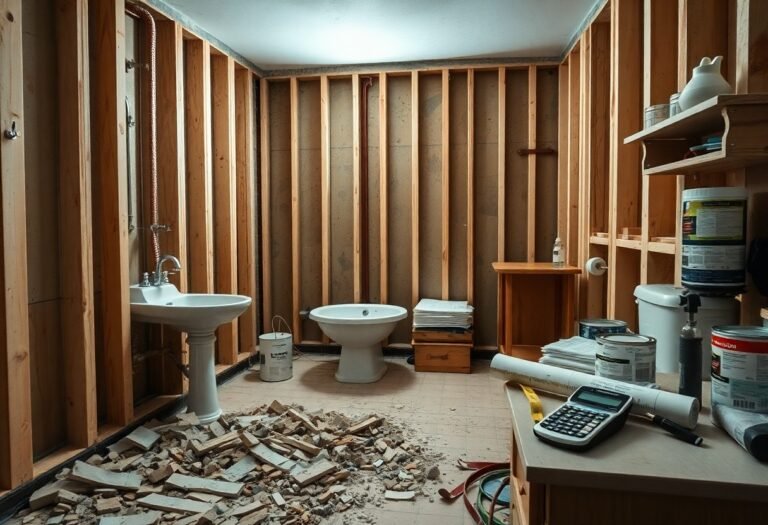
Structural changes that affect the frame, roof, or foundation usually require permits, inspections, and engineered plans; you must consult your local building department before starting work.
Removing or Modifying Load-Bearing Walls
Removing or altering a load-bearing wall often demands engineered calculations and a permit, since you could compromise your home’s stability without professional plans.
Building Additions and Foundation Expansions
Adding an addition or expanding a foundation always triggers permit requirements; you will need site plans, zoning reviews, and load calculations to proceed legally.
You will need survey-grade site plans, foundation and structural engineering, and zoning approval for setbacks and lot coverage; expect utility locates, environmental or septic reviews, and staged inspections during construction, and check permit fees, contractor licensing, and any HOA or historic-district restrictions early to avoid costly redesigns or delays.
Mechanical, Electrical, and Plumbing (MEP) Upgrades
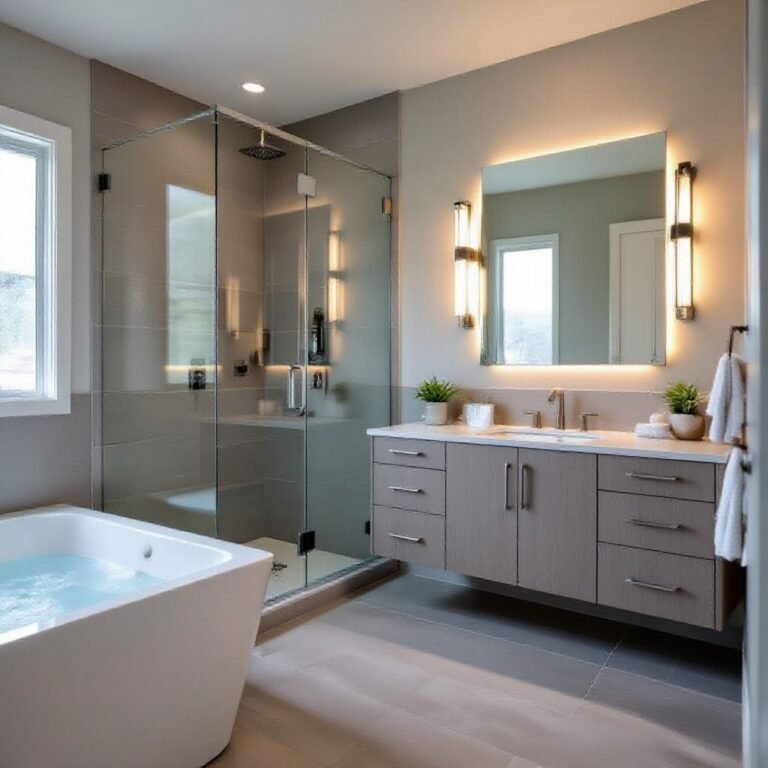
Work on MEP systems often requires permits since HVAC, major electrical, or plumbing changes impact safety and code compliance; you should consult your local building department to confirm which upgrades need approval.
New Circuitry and Main Service Panel Modifications
Upgrading circuitry or modifying your main service panel usually triggers permit requirements; you must hire a licensed electrician, obtain inspections for load calculations, and notify the utility when service capacity is altered.
Re-piping and Sewer Line Alterations
Replacing supply lines or altering sewer mains usually requires permits because of code, backflow prevention, and health risks; you should obtain inspection and use approved materials and licensed plumbers for any substantial re-piping work.
Expect permits whenever you alter pipe layout, replace buried sewer segments, or change materials; inspectors will verify trenching, slope, venting, connections to the public sewer, and required backflow or backwater protection, so provide plans and schedule rough-in and final inspections to avoid rework or fines.
External Changes and Building Envelope Modifications
Exterior alterations like new siding, stucco, insulation or major façade work usually require permits when they change structural supports or energy compliance; check local code and consult resources such as Do You Need Permits to Remodel a Bathroom?
Roof Replacements and Structural Decking
Roof replacements and decking upgrades require permits if you modify framing, replace sheathing, or change rooflines, since inspections ensure proper load paths, flashing, and weatherproofing for safety and code compliance.
Window Enlargements and New Exterior Door Openings
Window enlargements and new exterior door openings typically need permits because you’ll alter headers, openings, and egress routes, triggering structural review and energy-code checks before inspections sign off.
When you enlarge windows or add exterior doors, expect to submit plans showing header sizing, lintel details, and flashing methods, and be ready for framing and final inspections; you may need engineer-stamped calculations for load-bearing walls, comply with U-factor or egress requirements, and obtain historic or zoning approvals if applicable.
Cosmetic Renovations Typically Exempt from Permits
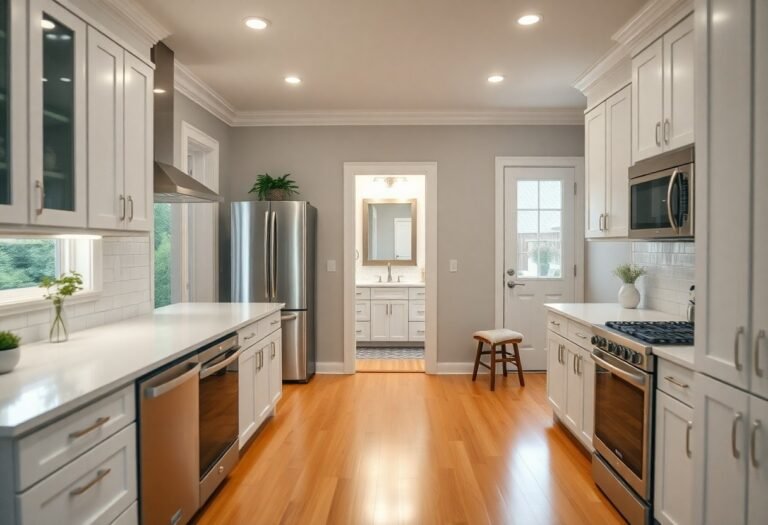
Most cosmetic renovations, like trim replacement, wallpaper removal, and superficial façade updates, don’t require permits as long as you avoid altering structural, electrical, or plumbing systems; confirm local codes for historic districts or HOA restrictions.
Interior Painting and Surface Flooring Installations
Painting interior walls and installing floating laminate or vinyl plank flooring generally won’t need permits provided you don’t move load-bearing walls, alter wiring, or change plumbing; check local rules before you start.
Cabinetry Replacement and Minor Aesthetic Upgrades
Cabinetry replacement, new countertops, and cosmetic hardware upgrades are usually permit-exempt if you keep existing footprints and don’t reroute plumbing, gas lines, or wiring; notify your inspector when in doubt.
If you plan to relocate sinks, add gas or electrical connections for appliances, or cut into walls for built‑ins, you will likely need permits and inspections; under‑cabinet lighting and hardwired outlets typically trigger electrical permits, while moving a sink requires plumbing approval-consult your local building department and submit plans when required.
Conclusion
Summing up, you must obtain a permit when you alter structure, electrical, plumbing, HVAC, or change a building’s footprint or egress; cosmetic updates rarely require permits. Check local codes and consult your municipal building department or a licensed contractor before starting to avoid fines and unsafe work.