There’s clear evidence that neutral, warm-toned paints and high-quality finishes help you attract buyers faster; choose light neutrals, coordinate trim in crisp whites, and use satin or eggshell for durability and broad appeal.
Key Takeaways:
- Neutral, light paint colors (soft whites, warm grays, beige) widen perceived space and appeal to more buyers.
- Consistent palette throughout the home creates visual flow and keeps attention on features instead of bold color contrasts.
- Fresh, even finish using high-quality, low-VOC paint signals a well-maintained property and photographs better for listings.
- Appropriate sheen-eggshell or satin on walls, semi-gloss on trim and doors-helps hide imperfections and withstand everyday wear.
- Clean, neutral exterior colors and a well-painted front door boost curb appeal and strengthen buyers’ first impressions.
The Psychology of Neutral Tones
You can use neutral tones to calm spaces and broaden appeal, making rooms feel brighter and more spacious. Soft grays, warm beiges and creamy whites help buyers focus on features rather than paint, speeding emotional connection and offering a safer, market-friendly choice.
Appealing to the Widest Buyer Demographic
Neutral palettes help you attract the widest range of buyers by providing a noncommittal backdrop that suits diverse tastes and furniture styles. That reduces repainting concerns and encourages quicker offers from shoppers imagining their belongings in the space.
Creating a Blank Canvas for Visualization
Light neutrals let you visualize layout and scale more easily, so you can picture furniture placements and traffic flow. Clean, unobtrusive walls allow mental staging, helping you assess how elements work together without color distractions.
By choosing neutrals with compatible undertones you ensure adjacent rooms feel cohesive, helping buyers move through the home without visual friction. Test paint in different lights, use large swatches, and pair warm or cool neutrals with appropriate flooring and fixtures. Prefer low-sheen finishes for walls and brighter trim to define architecture without overwhelming viewers.
Top Performing Interior Color Palettes
Homebuyers notice when you choose neutral palettes like warm whites and greiges, which create a bright, inviting backdrop and help buyers envision their furniture and decor.
The Versatility of Warm Whites and Greiges
You should use warm whites and greiges in living rooms, kitchens, and hallways to reflect light, mask minor imperfections, and keep decor options open for prospective buyers.
Using Soft Blues to Enhance Bathrooms and Bedrooms
Bathrooms and bedrooms benefit when you select soft blues, because they create a serene, spa-like feel that suggests freshness and can make small spaces feel more open.
Combine soft blue walls with white trim, warm wood accents, and brushed metal fixtures so you present a balanced, tranquil impression while keeping finishes broadly appealing to buyers.
Maximizing Curb Appeal with Exterior Paint
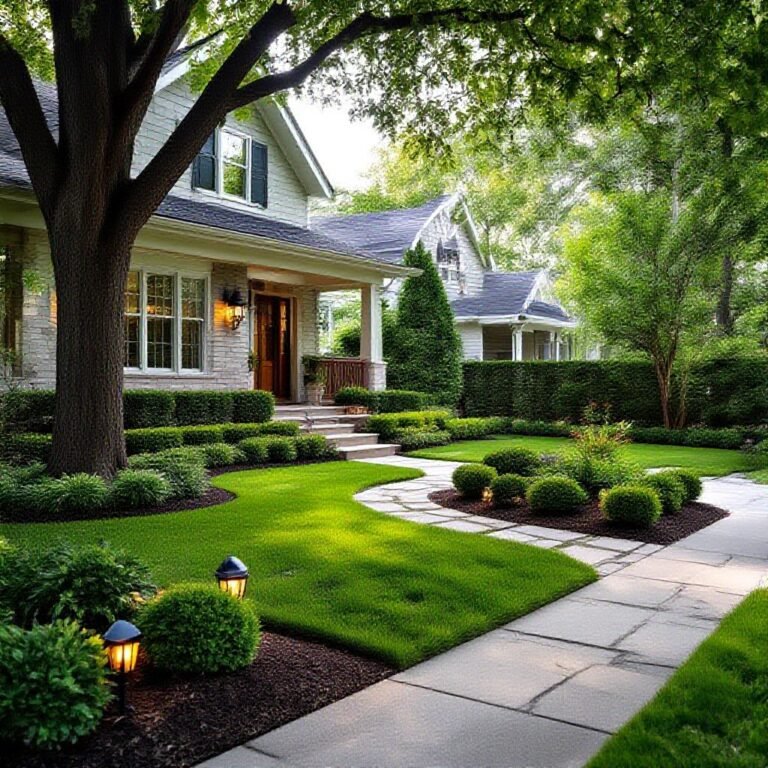
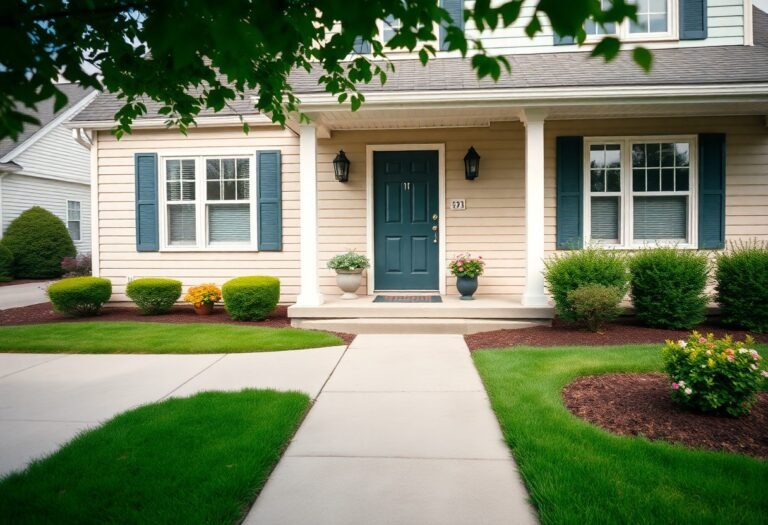
Painting the exterior in neutral, high-contrast palettes helps you attract buyers by highlighting architectural features and signaling well-maintained quality.
Selecting Inviting Front Door Accent Colors
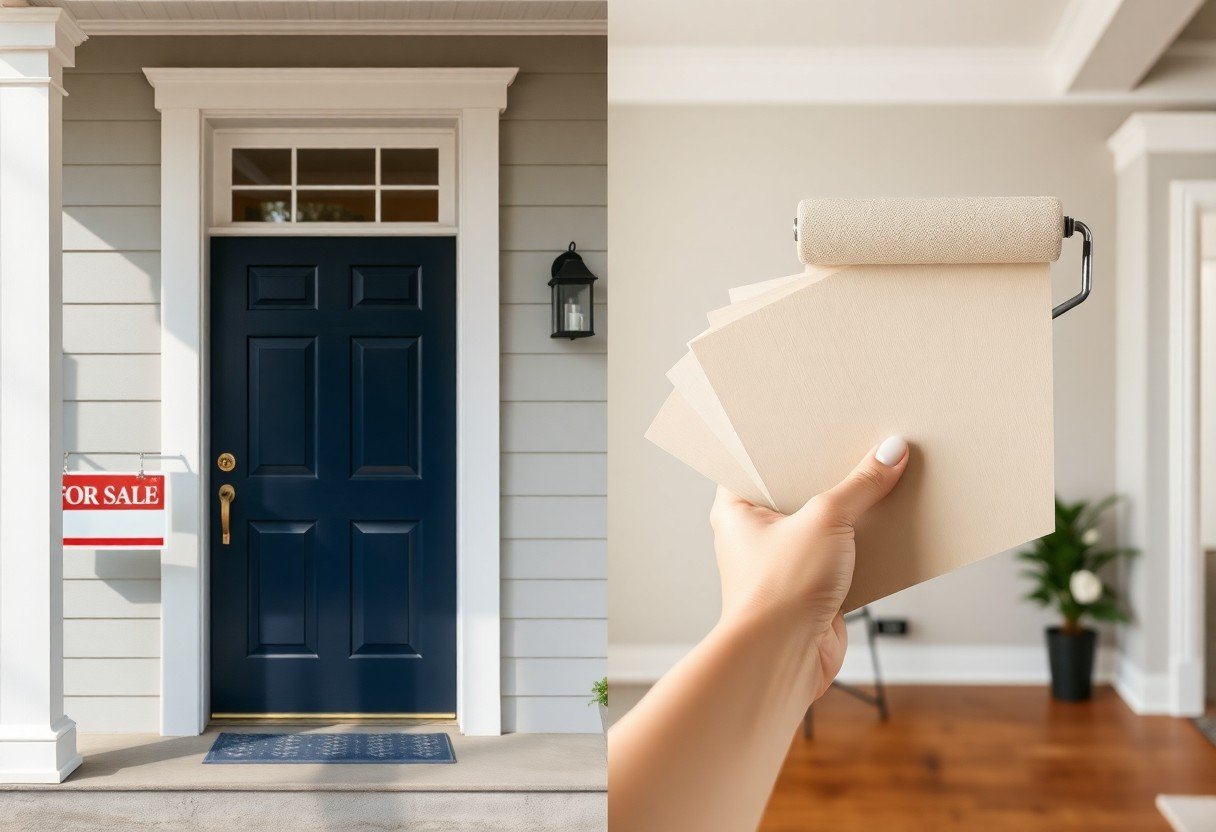
Choose a saturated front-door accent to create instant curb appeal; contrast it with the main house tone and select a weather-resistant finish.
Coordinating Siding and Trim for a Modern Look
Match siding and trim using a simple two- or three-tone scheme to create a contemporary, clean aesthetic that helps you appeal to buyers and photograph well.
Carefully balance siding, trim, and accent hues-aim for roughly 60% main body, 30% trim, 10% accents-so you create visual harmony that reads as modern. Test swatches on different walls at various times, choose low-VOC, fade-resistant paints, and coordinate finishes so your photos and showings remain consistent.
Strategic Room-by-Room Color Applications
Room-by-room, you should match paint to purpose: neutral hues for main rooms, soft tones for bedrooms, and durable finishes in high-traffic areas to appeal to buyers and help them imagine living there.
Brightening Small Spaces with High Reflectance Values
Light-reflective paints with high LRV open cramped rooms, making you rely less on fixtures and allowing natural light to bounce, so buyers perceive more space and brightness.
Grounding Large Living Areas with Earthy Undertones
Warm earthy undertones give you a welcoming foundation in big rooms, helping buyers picture furniture and creating cohesive flow between seating, dining, and entry zones.
Deeper taupes or muted olive accents let you define conversational areas and complement wood floors; balance them with light trim, layered lighting, and minimalist decor so buyers sense comfort without overwhelming personal style.
Choosing the Right Finishes for Durability
You should pick finishes that stand up to wear-satin or semi-gloss for busy areas, flat for low-traffic rooms-and consult color guidance here: Want to sell your house faster? These are the paint colors …
Selecting High-Traffic Sheens for Kitchens and Halls
Choose satin or semi-gloss for kitchens and halls so you can wipe spills and scuffs away without frequent repainting, keeping spaces looking fresh for showings and reducing post-inspection touch-ups.
Masking Wall Imperfections with Matte and Eggshell
Matte and eggshell finishes hide surface flaws better than glossy paints, so you can present smoother-looking walls; you should use these sheens where texture or patched repairs are visible.
Eggshell gives you a soft, low-luster finish that conceals minor bumps while still allowing gentle cleaning; matte hides more texture but resists washability, so you should prep with primer, sand and patch uneven spots, and apply thin, even coats to achieve the most flattering, market-ready surfaces.
Professional Preparation for a Flawless Finish
Surface preparation determines the difference buyers notice; when you strip loose paint, sand, and clean properly, coats lay evenly, hide flaws, and photos look more inviting, helping showings and inspections proceed smoothly.
The Impact of Proper Priming on Final Appearance
Priming seals stains and improves adhesion so you can use fewer topcoats, achieve uniform sheen, and avoid costly touch-ups before a showing.
Addressing Repairs to Ensure a High-ROI Result
Repairs to drywall, trim, and hardware make paint look intentional; when you fix cracks and replace damaged molding, buyers perceive higher value and offers arrive faster.
When you tackle repairs before painting, focus on visible trouble spots: patch nail holes, skim small dents, replace warped baseboards, and tighten cabinet hinges. Match wall texture and sand between coats so your finish reads as professional. You should also address moisture stains and underlying mold, or disclose them if unresolved, since cosmetic paint over defects lowers buyer trust and reduces offers.
To wrap up
You increase buyer appeal by choosing neutral, light colors like soft white, warm greige, or pale gray, pairing crisp white trim with satin or eggshell sheens, and using durable, low-VOC paints; these choices brighten spaces, appeal to more buyers, and help your home sell faster.
FAQ
Q: Which interior paint colors help a home sell faster?
A: Neutral colors sell faster because they make spaces look larger and allow buyers to visualize their furniture. Soft whites, warm greiges, light beiges, and pale grays appeal to a broad audience. Choose undertones that match the room’s natural light: warmer tones in north-facing rooms and cooler tones in sunny spaces. Avoid high-contrast or very bold hues except for a single tasteful accent.
Q: What exterior paint choices increase curb appeal?
A: Exterior paint can make a strong first impression and shorten time on market. Classic combinations include white trim with gray, blue-gray, or greige siding. Deep navy, charcoal, or rich green work well as accent or front-door colors in many neighborhoods. Select a trim sheen like semi-gloss for durability and easier cleaning. Check HOA rules and local styles before choosing dramatic contrasts.
Q: What paint sheen should I choose for selling a home?
A: Eggshell or satin sheens for interior walls balance hiding minor imperfections with cleanability, making them buyer-friendly choices. Flat or matte paints mask surface flaws in low-traffic rooms such as bedrooms. Semi-gloss on trim and in kitchens or bathrooms simplifies maintenance and shows crisp lines. Use low-VOC formulas to reduce odors during showings.
Q: Does repainting every room in the same color help?
A: Painting most rooms the same neutral color creates flow and a larger perceived space. One or two subtle accent walls can add character without alienating buyers. Avoid highly personal palettes like bright magenta or intense murals that limit buyer imagination. Keep consistent trim and ceiling colors to present a cohesive, well-maintained home.
Q: How do paint quality and preparation affect time on market?
A: Proper surface preparation and high-quality paint cut down on callbacks and present a finished property. Prime stained or repaired areas to ensure even color and prevent visible patches. Use paints with higher hide so fewer coats are needed, saving labor and producing a uniform finish. Professional painting can speed completion before listing, but careful DIY work can also be cost-effective if done thoroughly. Small fixes such as touching up scuffs and repainting trim improve photography and showings.