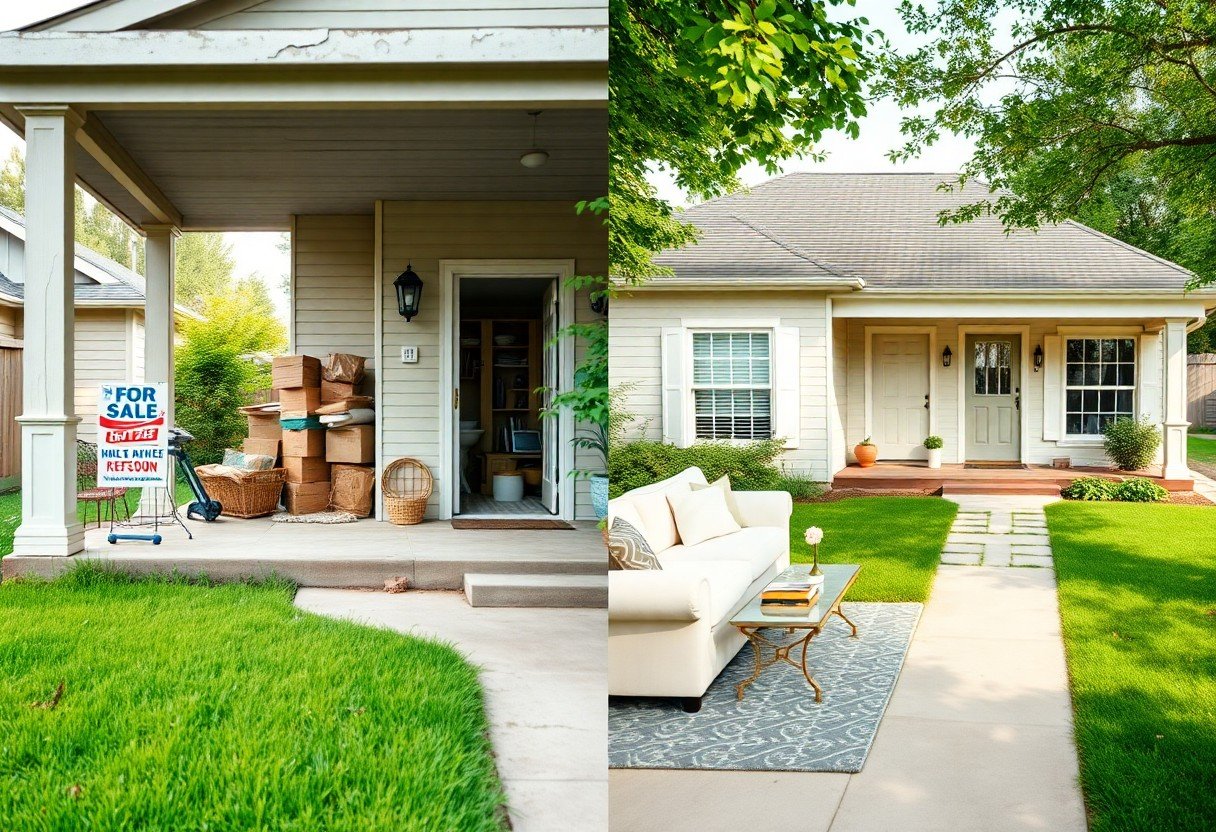
Just check whether price, condition, photos, or marketing are turning buyers away; you should reprice, declutter, stage, update photos, and switch strategies to fix issues and sell faster.
Key Takeaways:
- Price set above comparable sales; lower price, offer concessions, or adjust to recent market data.
- Listing photos and description fail to attract buyers; hire a professional photographer, rewrite copy, and add a virtual tour.
- House presentation and curb appeal are weak; declutter, deep-clean, complete minor repairs, and stage main rooms.
- Showings are limited and access is inconvenient; increase availability, host open houses, and accommodate evening/weekend visits.
- Marketing strategy or agent performance underperforms; interview new agents, expand online ads, and target likely buyer groups.
Enhancing Curb Appeal and First Impressions
Curb appeal shapes buyers’ first judgment; tidy exteriors, fresh paint, and clean walkways help you attract more viewings and higher offers.
Improving Exterior Aesthetics and Landscaping
Tidy beds, trimmed hedges, and well-placed lighting make your property feel cared-for; low-maintenance plants reduce buyer concerns and boost perceived value.
The Psychology of the Entryway
Your front door creates an emotional hook; a welcoming entry with clear sightlines, good lighting, and tasteful hardware comforts buyers and encourages longer tours.
Consider painting your front door a confident, neutral color, upgrading hardware, and adding layered lighting to make arrival feel safe and inviting. Declutter your porch, replace worn mats, and stage a simple seating vignette so buyers can picture themselves living there; these touches speed decisions and often increase offers.
Optimizing Interior Presentation
Optimize your interior presentation by decluttering, improving lighting, and arranging furniture to highlight flow so buyers see usable space and feel invited.
Professional Staging Techniques to Maximize Space
Stage rooms to showcase purpose, remove excess pieces, use appropriately scaled furniture, and create clear sightlines that make spaces seem larger and functional to buyers.
Neutralizing Decor for Universal Buyer Appeal
Soften bold colors and replace busy patterns with muted tones and simple textures so buyers can imagine their belongings in each room without distraction.
Replace your personalized items, dark drapes, and oversized art with neutral linens, lighter window treatments, and smaller-scale accessories that suggest lifestyle without imposing it. Test paint samples under natural light, remove scents, and keep surfaces spotless so buyers focus on features, not flaws.
Addressing Property Condition and Repairs
You should tackle visible wear, roof or paint issues, and outdated systems before listing, since well-maintained homes attract faster offers and higher bids.
Fixing Minor Defects That Signal Neglect
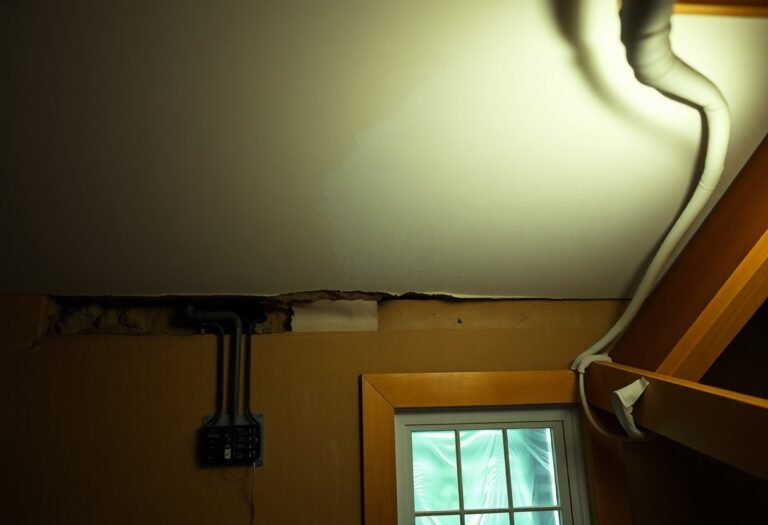
Small fixes like patching holes, tightening handles, and replacing cracked tiles stop buyers from assuming larger problems and help you improve perceived value.
Prioritizing High-ROI Modernization Projects
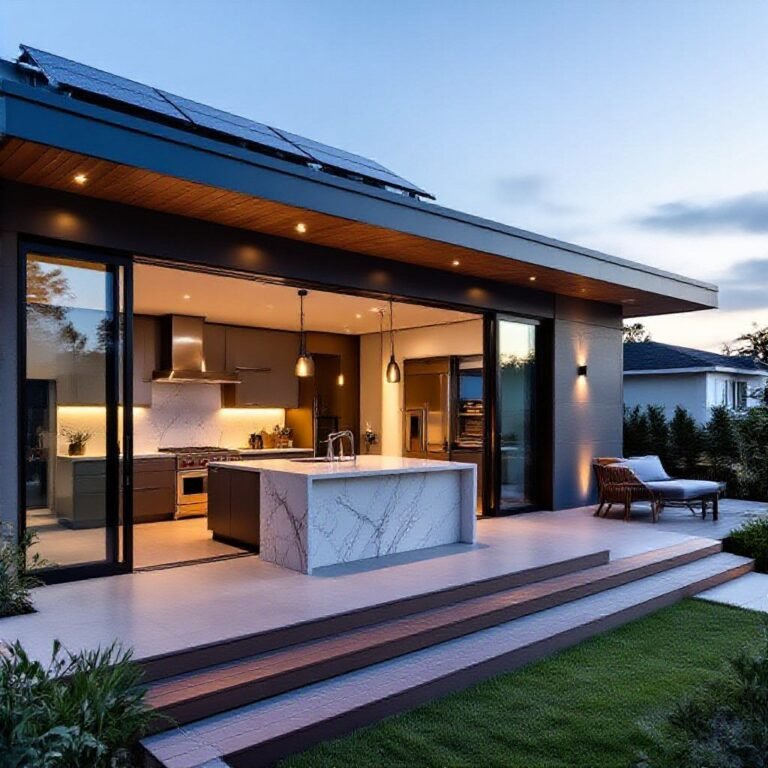
Kitchen and bathroom refreshes yield strong returns; choose durable surfaces, fresh fixtures, and neutral palettes so you attract more offers.
Plan projects by cost-per-dollar-return so you can target modest kitchen updates, staged bathrooms, improved lighting, and energy-efficient HVAC; get competitive quotes, confirm permits, and schedule the highest-impact items first to shorten time on market.
Refining Your Digital Marketing Approach
Refining your digital strategy means targeting the right buyers with paid ads, social posts and email campaigns; review metrics, adjust headlines, and test visuals to help you improve reach. For specific issues, see Seven Reasons Your Home Isn’t Selling and How Howard …
Leveraging High-Quality Professional Photography
Professional photography makes buyers notice your listing; hire a pro, stage rooms, and include twilight shots so you stand out and increase click-through rates.
Enhancing Listing Visibility and Descriptions
Optimize your headline and description to highlight unique features, use clear floorplans and accurate measurements, and craft keyword-rich copy so you show up in searches and attract serious buyers.
Include local keywords, nearby amenities, and recent upgrades in the first 150 characters, and make sure you provide room-by-room details plus bullet points to boost SEO and reduce buyer questions.
Improving Showing Accessibility and Logistics
You can increase interest by making showings flexible: offer extended viewing windows, online scheduling, keyless entry or clear lockbox instructions, and specific parking details so buyers can visit when it suits them.
Streamlining the Viewing Process for Potential Buyers
Set up an easy online scheduler, offer flexible viewing windows, and allow brief-notice tours so buyers encounter minimal friction. Give prospective visitors concise home fact sheets and clear arrival instructions so you reduce no-shows.
Utilizing Agent Feedback to Adjust Strategy
Ask your agent for specific feedback after each showing-first impressions, price perception, and any staging or repair notes-so you can adjust quickly.
Review patterns in those reports: repeated comments about odors, lighting, or layout point to targeted fixes you can make affordably. Request examples, buyer profiles, and suggested messaging changes; then test adjustments such as updated photos, focused ads for likely buyer types, modest repairs, or a temporary price test and monitor response weekly.
To wrap up
Drawing together, you should assess pricing, curb appeal, photos, and agent strategy, correct weaknesses-reduce price if needed, stage and refresh listings, and tighten marketing to attract qualified buyers and convert offers.
FAQ
Q: Why isn’t my home selling when similar houses nearby are moving?
A: Price often explains the difference. Compare recent sold prices, not asking prices, for truly comparable properties and adjust to match market demand and condition. Price competitively for the first two weeks to attract buyers and appraisals; consider a modest preemptive reduction rather than waiting for long days on market. Split the gap with the buyer through seller concessions or offer a home warranty to make your net price more attractive without deep cuts.
Q: Could the property’s condition or presentation be turning buyers away?
A: Visible defects, clutter, strong smells, and dated finishes stop buyer imagination. Complete basic repairs, apply a fresh coat of neutral paint, declutter and depersonalize so visitors can picture themselves living there. Invest in targeted staging for key rooms, improve lighting, and boost curb appeal with landscaping and a clean entry. Hire a professional cleaner and remove personal effects for showings and photos.
Q: Might weak photos or listing marketing be the problem?
A: Poor listing visuals and narrow marketing limit buyer interest. Hire a professional photographer to capture wide-angle, well-lit images and add a walk-through video or 3D tour. Rewrite the MLS description to highlight buyer-focused features (school zones, transit, recent upgrades) and list across multiple platforms, social channels, and local broker networks. Run targeted online ads to reach likely buyer demographics and hold broker previews to generate professional buzz.
Q: Are market conditions or timing preventing a sale?
A: Local inventory, interest rates, and seasonality change buyer behavior. Research current absorption rates and average days on market for your neighborhood and adjust expectations and pricing accordingly. Offer flexible showing times, be prepared to negotiate on repairs or closing date, and consider incentives like help with closing costs or temporary seller financing to attract hesitant buyers. If timing is poor, either lower price to attract present demand or wait for a seasonal uptick if holding costs permit.
Q: Could the listing agent or strategy be the issue, and what should I change?
A: Low showing volume or limited feedback often points to agent performance or strategy gaps. Request a written marketing plan, weekly activity reports, and specific feedback from showings. Interview other agents and compare commission, marketing spend, track record in your micro-market, and proposed pricing strategy. Switch agents if the current one has no actionable plan; set clear goals for showings, offers, and timelines, and require professional photography and active online promotion as part of the agreement.