Over your final walkthrough, you inspect that agreed repairs are complete, utilities work, doors and windows function, appliances operate, and no new damage exists; confirm measurements, test plumbing and electrical fixtures, and verify included items match the contract before closing.

Key Takeaways:
- Agreed repairs and punch-list items: verify each completed item and match any invoices or contractor receipts.
- Systems and appliances: test HVAC, water heater, stove, dishwasher, garbage disposal, and laundry hookups.
- Plumbing and electrical: run faucets, flush toilets, check for leaks, test light switches and outlets, and confirm GFCIs.
- Security, keys, and access: test all locks, garage door openers, window latches, and confirm delivery of keys, remotes, and access codes.
- Property condition and included items: inspect walls, floors, windows for new damage, confirm seller removed personal belongings, and verify fixtures match the contract.
Exterior Grounds and Structural Integrity
Assess perimeter grading, drainage, walkways, driveways and visible structural elements, noting settling, pooling water, or storm damage so you can address repairs before closing.
Landscaping, Fencing, and Outbuildings
Inspect fencing, gates and outbuildings for stability, rot, pests and secure locks; test irrigation, downspouts and grading for proper drainage, noting pooled water, overgrown areas, or storm damage that could affect access or future repairs.
Foundation, Siding, and Roof Condition
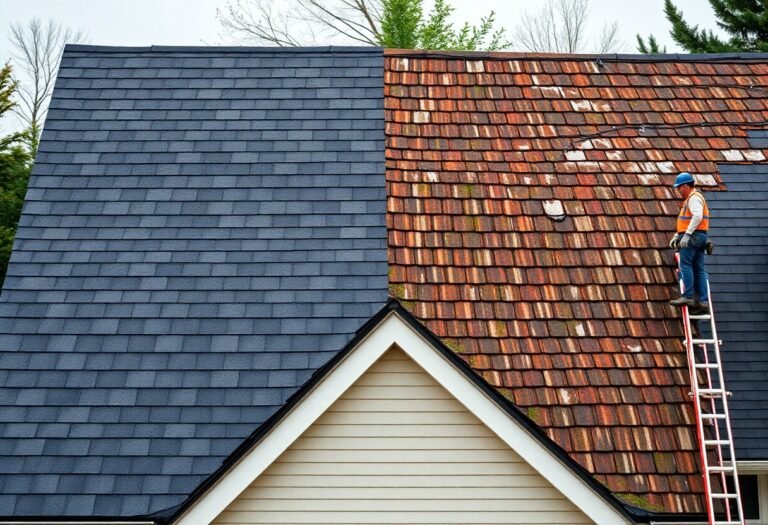
Examine foundation for cracks or settling, inspect siding for warping or gaps, and scan the roof for missing shingles, sagging, or flashing issues; photograph defects to discuss with the seller or inspector.
Check for hairline cracks, stair-step patterns, or horizontal separations in the foundation and document size, location, and any water intrusion so you can consult a structural engineer. Look behind siding for soft spots, insect damage, or failing caulk, and review the roof for curled shingles, granule loss, compromised flashing, attic stains, or daylight that signal active leaks or aging.
Interior Surfaces and Fixtures
Inspect interior surfaces and fixtures for scratches, stains, loose trim, and burned-out bulbs; test built-in appliances and cabinetry, and compare items against your contract using this Final Walk-Through Checklist Before Closing on a Home.
Wall, Floor, and Ceiling Inspection
Examine walls, floors, and ceilings for cracks, water stains, uneven flooring, and paint chips; note any fresh repairs you suspect may conceal older issues and flag them for clarification.
Windows, Doors, and Lock Functionality
Test every window and door yourself for smooth operation, intact seals, broken panes, and proper weatherstripping; verify deadbolts and handles lock securely.
Check for signs of forced entry, warped frames, or moisture in sills, and ask the seller to repair or replace any malfunctioning locks immediately.
Plumbing and Water Systems
Check visible pipes, valves, and fixtures for leaks, corrosion, or water stains; run faucets and flush toilets so you can confirm steady pressure and spot slow drains or pooling.
Faucets, Toilets, and Drainage
Test each faucet and shower for hot/cold operation, inspect under-sink connections for leaks, and run water long enough so you can spot slow drainage or sewer odors.
Water Heater and Sump Pump Operation
Operate the water heater and sump pump during the walkthrough so you can confirm hot-water recovery, inspect for corrosion or leaks, and hear the pump cycle under simulated wet conditions.
Inspect the water heater’s label for manufacture date and capacity, test the temperature-pressure relief valve, and set the thermostat near 120°F; drain a small amount to check for sediment. For the sump, you should test the float switch, verify discharge piping directs water away from the foundation, and confirm battery backup, alarms, or secondary pumps function properly.
Kitchen and Laundry Appliances
Appliances in the kitchen and laundry need inspection before closing; you should run each unit briefly, check hookups, vents, filters, and look for leaks, dents, or odd smells.
Testing Major Operational Cycles
Test major operational cycles by running the oven, dishwasher, washer and dryer through typical settings; you should observe correct function, proper drainage, and listen for abnormal noises.
Verifying Inclusions and Manuals
Check that you receive manuals, warranty papers, cords, remotes, and any included accessories, and confirm model and serial numbers match your contract.
Confirm missing items before closing: photograph absent components, ask the seller to supply or credit for manuals, spare parts, filters, hoses, and ensure warranties and receipts are transferred to you.
Completion of Repairs and Debris Removal
Inspect repaired areas to confirm work is completed and that debris is fully cleared; note any unfinished tasks or lingering materials before closing.
Verification of Agreed-Upon Maintenance
Confirm scheduled maintenance items were completed to the standards outlined in your agreement, checking receipts and contractor notes.
Removal of Personal Property and Trash
Check that all seller belongings, trash, and construction materials have been removed and that storage areas are empty for immediate possession.
Walk through every room and outdoor area, opening cabinets, closets, and sheds; photograph any items you find, note hazardous materials, and confirm removal timelines with the seller to avoid post-closing disputes.
Summing up
Now you should verify that agreed repairs are completed, test appliances, plumbing, electrical and HVAC, check doors, windows and locks, confirm utilities are on, scan for water damage, pests or debris, and ensure included fixtures match the contract so you can sign confidently.
FAQ
Q: What is the purpose of the final walkthrough?
A: The final walkthrough confirms the property’s condition matches the purchase contract, any agreed repairs were completed, and appliances or fixtures that are part of the sale remain in place. The buyer uses this visit to verify there is no new damage since inspection and that systems needed for habitability are functioning. The walkthrough is not a substitute for a home inspection but serves as the last opportunity to identify problems before closing.
Q: What interior items should I check during the walkthrough?
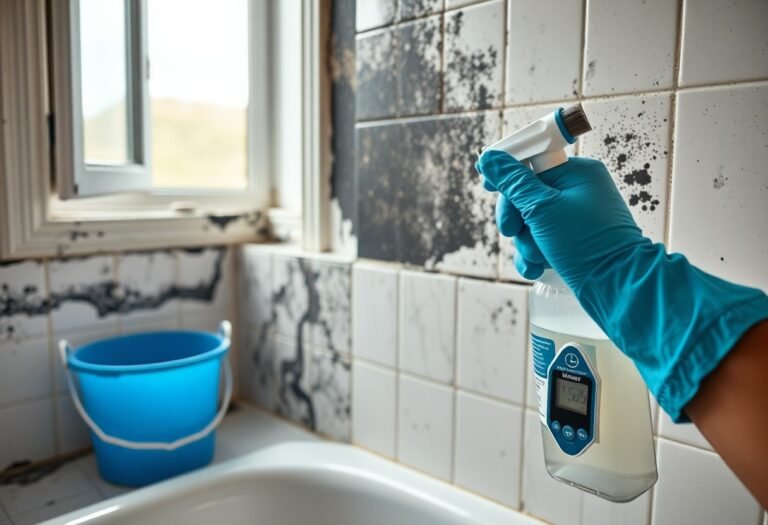
A: Test HVAC by running heating and cooling, and verify thermostats respond. Turn on every faucet, flush toilets, run showers and bathtubs, and check under sinks for leaks or active moisture. Run all major appliances included in the sale: stove (burners and oven), dishwasher, microwave, garbage disposal, washer and dryer. Flip lights on in every room and test a sample of electrical outlets and GFCI outlets. Open and close all doors and windows to confirm they lock and seal properly. Inspect walls, floors, ceilings, and ceilings for new stains, cracks, or damage and look for signs of mold or active water intrusion. Check smoke and carbon monoxide detectors and any security systems to confirm operation. Visit attic, basement, and crawl spaces to look for standing water, pests, insulation issues, and visible structural concerns, and operate the sump pump if present.
Q: What exterior and system checks should I perform?
A: Walk the perimeter to assess rooflines visible from the ground, gutters and downspouts, siding or exterior finishes, and grading for proper drainage away from the foundation. Inspect driveway, walkways, patios, decks, fences, and retaining walls for damage or unfinished repairs. Test garage doors and remotes included in the sale and confirm exterior lighting works. Operate pool and irrigation systems if included or verify that they are turned off and winterized as appropriate. Note condition of landscaping only to the extent agreed in the contract and check that any temporary items the seller agreed to remove are gone. Record utility meter readings to compare with closing figures if required by your lender or title company.
Q: What documents, keys, and seller-provided items should I confirm?
A: Verify receipt of all keys, garage remotes, gate openers, and security codes for systems that transfer with the property. Request warranties, owner’s manuals, and service records for major systems and appliances, plus receipts or permits for completed repairs. Ask for final service or inspection tags (HVAC, chimney, septic) and proof that required building permits have final inspections or certificates of occupancy where applicable. Confirm any items specifically excluded or included in the contract remain consistent with the purchase agreement.
Q: What steps should I take if I find problems during the walkthrough?
A: Document every issue with time-stamped photos and video and make a written list of deficiencies. Notify your real estate agent and lender immediately and provide the evidence. Reference the purchase contract to determine remedies: require the seller to complete repairs before closing, request a credit or escrow holdback for post-closing repairs, or delay closing until agreed conditions are met. Consult your inspector or contractor for cost estimates on major defects before accepting credits. If a condition threatens safety or violates habitability terms, discuss postponing or cancelling the closing with your agent and attorney based on contract contingencies.