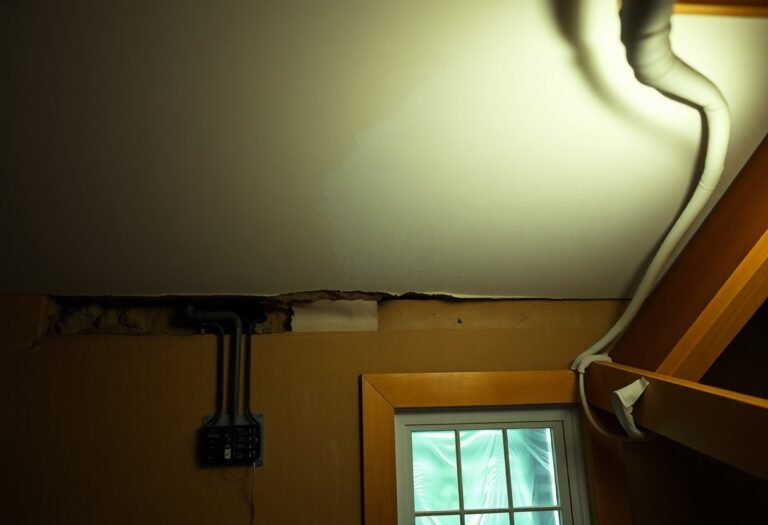
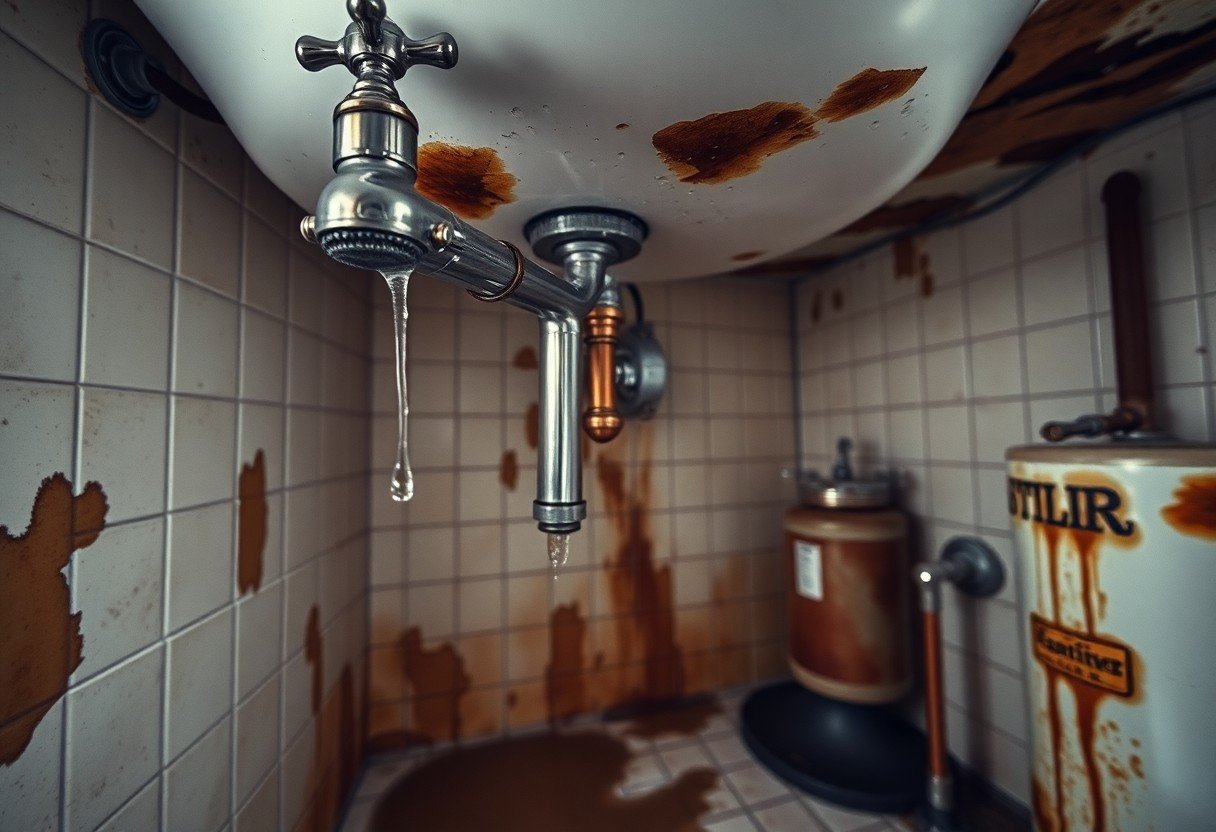
Plumbing issues like visible leaks, low water pressure, stained ceilings, rusted fixtures, and persistent clogs signal neglect to buyers, so you should fix them before listing to avoid price cuts or failed inspections.
Key Takeaways:
- Water stains, peeling paint, or damp spots on ceilings and walls reveal active or past leaks buyers will spot immediately.
- Visible dripping faucets, running toilets, and loose or wobbly fixtures signal worn hardware and water waste.
- Slow drains, gurgling toilets, or standing water in sinks and tubs indicate clogs or sewer issues buyers will notice during a walkthrough.
- Corroded, patched, or exposed pipes in basements, crawlspaces, and under sinks suggest aging plumbing and potential failures.
- Weak water pressure at faucets and showers or inconsistent hot water output points to supply, pressure, or water heater problems buyers will detect quickly.
Visible Water Damage and Surface Leaks
Visible water stains, warped baseboards, or bubbling paint signal leaks buyers spot immediately; you’ll notice these defects during walkthroughs and they erode perceived value fast.
Discolored Patches on Ceilings and Walls
Stains with brown or yellow edges on ceilings and walls tell you there’s past or ongoing moisture; buyers will question roof, plumbing, or ventilation issues at once.
Active Moisture in Under-Sink Cabinetry
Wet surfaces, pooling water, and musty odors beneath sinks show you have an active leak; buyers will open cabinets and assess pipe joints and seals immediately.
Inspect the cabinet interior for soft, discolored plywood, mold growth, mineral crusts, or steady dripping; these signs point you to failing supply lines, a compromised p-trap, or loose fittings. You should tighten or replace corroded parts, improve ventilation, and obtain a plumber’s report so buyers see the issue was addressed professionally.
Water Pressure and Flow Deficiencies
You may notice inconsistent pressure and sputtering taps that signal pipe buildup or a failing regulator; savvy buyers spot these fast – see 6 Shocking Things Only a Plumber Will Notice for hidden signs.
Weak Output in Showers and Faucets
Showers that dribble and faucets with thin streams usually indicate clogged aerators, mineral buildup, or undersized supply lines, so you need to note reduced output during a viewing.
Pressure Drops During Simultaneous Appliance Use
Low pressure when multiple fixtures run points to inadequate main pressure, shared old piping, or a failing regulator; you’ll notice it when the dishwasher or washer operates.
When two or more appliances cause visible pressure loss, test by running a shower while starting the dishwasher; if flow weakens, the supply may be undersized, valves partially closed, or the pressure regulator failing. You should request plumbing records, inspect for outdated pipe materials, and factor repair or repiping estimates into your offer, since fixes range from adjusting regulators to replacing sections of piping.
Compromised Drainage and Offensive Odors
Drainage backups and foul smells make buyers suspicious; you’ll spot water stains, gurgling fixtures, and slow exits that signal chronic problems and potential costly repairs.
Slow-Moving Drains and Standing Water
Clogs cause slow drains and standing water that make kitchens and bathrooms feel neglected; you’ll notice puddles, repeated plunging, and foul residue that hint at pipe buildup or poor slope.
Detection of Sewer Gas and Persistent Damp Smells
Sewer odors or a persistent damp smell warn you of venting faults, dried trap seals, or concealed leaks; your nose can reveal problems that often escape visual inspection.
When you investigate persistent sewer gas, check unused drains, appliance traps, and vent stacks; running water refills traps, but lingering odor usually means a vent blockage, cracked pipe, or sewer-line breach that requires a plumber’s smoke test, camera inspection, or targeted repairs to stop mold growth and health risks.
Aesthetic and Functional Fixture Degradation
Visible wear and mismatched finishes signal neglect; you inspect faucets, showerheads, and hardware for scratches, chips, and loose handles that reduce perceived value and suggest deferred maintenance.
Corrosion and Limescale on Hardware
Rust and limescale buildup on faucets, showerheads, and exposed pipes signals hard water or corrosion; you’ll see stains and pitting that make fixtures look aged and prompt questions about underlying plumbing condition.
Continuously Running or Improperly Seated Toilets
Running toilets waste water, produce constant noise, and indicate faulty flappers or fill valves; you’ll watch buyers test flushes and note higher utility concerns and potential unseen repairs.
Lift the tank lid and perform a dye test to confirm leaks; you can often fix worn flappers, misadjusted floats, chain issues, or replace a corroded fill valve quickly and affordably, cutting water waste and easing buyer hesitation.
Audible Mechanical and Structural Issues
Pipes that clatter, valves that ping, or creaks in flooring alert buyers instantly; you should expect questions about loose supports, failing insulation, and potential hidden leaks when those sounds persist.
Water Hammer and Banging Pipe Sounds
Banging knocks when you shut faucets often signal water hammer or unsecured pipes; buyers will worry about pipe stress, noisy fixtures, and the need for arrestors or reanchoring to prevent damage.
Rumbling or Whining from the Water Heater
Rumbling or whining coming from the water heater suggests sediment buildup, overheating elements, or failing burners; you can expect buyers to question efficiency and impending repair costs.
Sediment settling on the tank bottom traps heat and creates rumbling as steam pockets form; you should check for reduced hot-water output, higher energy use, metallic tastes or discoloration, and arrange a tank flush or element replacement-call a technician if corrosion, leaks, or persistent odors appear.
Water Quality and Clarity Concerns
Water clarity problems often point to pipe corrosion or supply contamination, and you should expect buyers to flag them during viewings.
Discolored or Rusty Water at the Tap
Brown or reddish water at the tap makes buyers suspect rusted pipes, municipal issues, or a neglected water heater; you should address staining and offer recent test results.
Visible Sediment and Scaling on Surfaces
Mineral flakes and white scaling on fixtures indicate hard water and can alarm buyers about appliance wear and pipe buildup; you should document treatment or mitigation steps.
Inspection of aerators, showerheads, and faucet bases often reveals grit or chalky deposits; you should clean parts, flush lines, and share any water-treatment records to reassure buyers.
Final Words
Presently you will notice visible leaks, stained ceilings or floors, slow drains, low water pressure, corroded fixtures, and outdated water heaters, which signal needed repairs and reduce the home’s value.
FAQ
Q: What visible leaks will buyers notice immediately?
A: Dripping faucets, water pooling under sinks, wet spots on floors, and active leaks around toilets or shower bases are the most obvious signs buyers spot during a walkthrough. Causes often include worn faucet cartridges, loose supply lines, cracked seals, or damaged fixtures. Buyers should document the location and severity of each leak, test shutoff valves, and ask the seller for repair records or to fix leaks before closing. A licensed plumber can provide a quick estimate; small faucet repairs run low while hidden pipe replacements cost substantially more.
Q: How will water stains or ceiling discoloration catch a buyer’s eye?
A: Yellow or brown stains on ceilings and walls, peeling paint, bulging drywall, and musty odors immediately signal past or active water intrusion. These signs commonly originate from upstairs plumbing failures such as leaking shower pans, loose toilet seals, or failing supply/waste lines. Buyers should look above the stain (attic or upstairs bath), probe the area for softness, and ask for a moisture test or inspection report. Repair needs can range from localized drywall and paint work to addressing an ongoing leak or replacing damaged piping.
Q: What indicates low water pressure that a buyer will notice right away?
A: Weak streams from faucets and showers, slow-filling tubs, and inconsistent pressure between hot and cold outlets are easy to observe during a tour. Mineral buildup in aerators, partially closed main or local shutoff valves, corroded galvanised pipes, or a failing pressure regulator commonly cause low pressure. Buyers should test multiple fixtures, remove aerators to check flow, and ask the seller to confirm municipal supply pressure. Resolving pressure problems can be as simple as cleaning aerators or as extensive as replacing aging pipes or installing a new pressure regulator.
Q: Which drain problems will buyers detect immediately?
A: Slow-draining sinks and tubs, gurgling noises, visible standing water after use, and sewer-like odors are clear red flags during an inspection. Common causes include hair and soap buildup, partial blockages in waste lines, improper venting, or tree root intrusion in the main sewer. Buyers should run sinks, flush toilets, and observe how quickly water clears. A sewer camera inspection can pinpoint location and severity; minor clogs need snaking while root or collapsed pipes require more extensive sewer repair or replacement.
Q: What water heater issues become obvious to buyers during a showing?
A: Rust-colored water from taps, discolored fittings, loud rumbling noises, visible leaks near the tank base, and a lack of hot water are apparent signs buyers notice quickly. Age over 10-15 years, sediment buildup, a failing heating element, or a corroded tank typically cause these problems. Buyers should check the unit for a manufacturing label with installation date, inspect nearby floor staining, and ask for maintenance or service records. Replacement costs vary by type and capacity, so request a seller disclosure or plan a plumber assessment before finalizing an offer.