It’s surprising how much first-time buyer missteps can cost: you risk losing tens of thousands by waiving inspections, choosing the wrong mortgage, underestimating closing costs, or overbidding without research.
Key Takeaways:
- Skipping mortgage pre-approval can cost buyers negotiation power and lead to lost offers or higher interest rates.
- Neglecting professional home inspections can result in unexpected repair bills that far exceed initial estimates.
- Underestimating total costs-closing fees, taxes, insurance, and routine maintenance-creates cash shortages and potential loan default risks.
- Stretching the budget to win a bid increases monthly payment strain and reduces emergency savings for repairs or income loss.
- Overlooking location and resale potential lowers long-term equity and can make selling difficult if finances change.
Financial Miscalculations and Cash Reserve Deficits
Cash shortfalls derail deals when you overlook reserves for repairs, moving, and unexpected rate changes; plan for three to six months of mortgage, taxes, and utilities to avoid last-minute compromises.
Underestimating Closing Costs and Pre-paid Items
Closing costs and prepaid items often add 2-5% of the purchase price, and if you haven’t budgeted them you may run short at signing and delay or lose the property.
Overlooking Long-term Maintenance and Insurance Premiums
Insurance premiums and routine maintenance steadily raise your monthly owning costs, and if you ignore them you might face unaffordable bills that erode savings or force deferred fixes.
Estimate annual maintenance at 1-3% of the home’s value and add predictable insurance increases; you should budget for roof, HVAC, appliance replacements, and rising premium cycles. You can mitigate shocks by building a specific repair fund, scheduling professional inspections before purchase, and comparing insurers to lock better rates or coverage.
Mortgage Inefficiency and Credit Volatility
Mortgage inefficiency and credit volatility can inflate rates, shrink refinancing options, and cost you thousands over the life of the loan.
Failing to Secure Multiple Interest Rate Quotes
Shop multiple lenders and compare APRs, because settling for the first offer can lock you into a higher rate and bigger payments.
Making Large Purchases Before Final Loan Approval
Avoid big purchases before closing since new debt or reduced cash reserves can raise your debt-to-income and derail your approved mortgage.
Large purchases often prompt re-underwriting and fresh credit checks, which can increase your rate or cancel the loan. Speak with your loan officer before charging major items so you avoid surprises.
The High Cost of Compromised Due Diligence
You risk large, unexpected expenses when due diligence is shortchanged: missed inspections, incomplete title checks, and rushed disclosures leave you paying for repairs, legal fees, or hidden liens.
Financial Implications of Waiving the Home Inspection
Skipping a home inspection forces you to absorb repair costs that can exceed your savings or renovation budget, eroding equity and complicating resale.
Disregarding Latent Structural or Environmental Issues
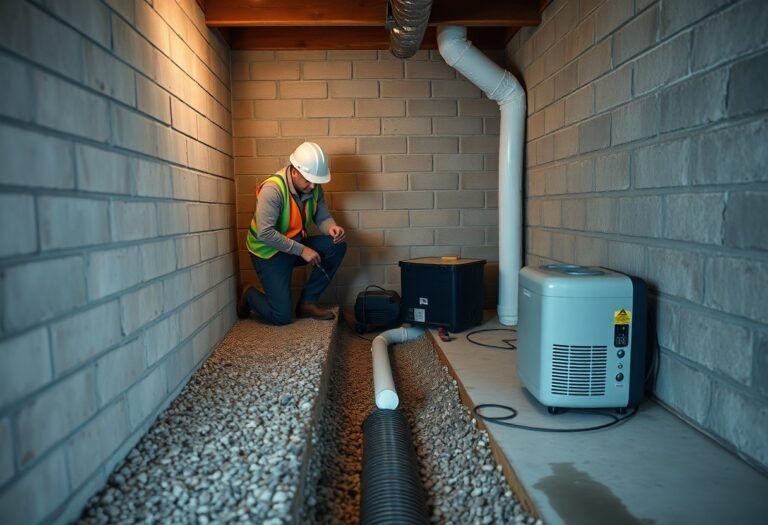
Hidden foundation, mold, or asbestos problems can saddle you with tens of thousands in remediation costs and potential legal exposure if disclosures were lacking.
If you ignore subtle signs-hairline cracks, musty odors, uneven floors-or accept a superficial report, you may face structural repairs, mold remediation, or toxic cleanup; specialized inspections, soil and air testing, and engineering reports often reveal defects that increase costs, limit insurance options, or trigger lender concerns, so insist on thorough assessments and contractual remedies before closing.
Legal Oversight and Contingency Failures
Legal missteps can saddle you with costly delays, lost deposits, or unexpected closing liabilities when contingencies are ignored or paperwork contains holes.
Missing Critical Contractual and Financing Deadlines
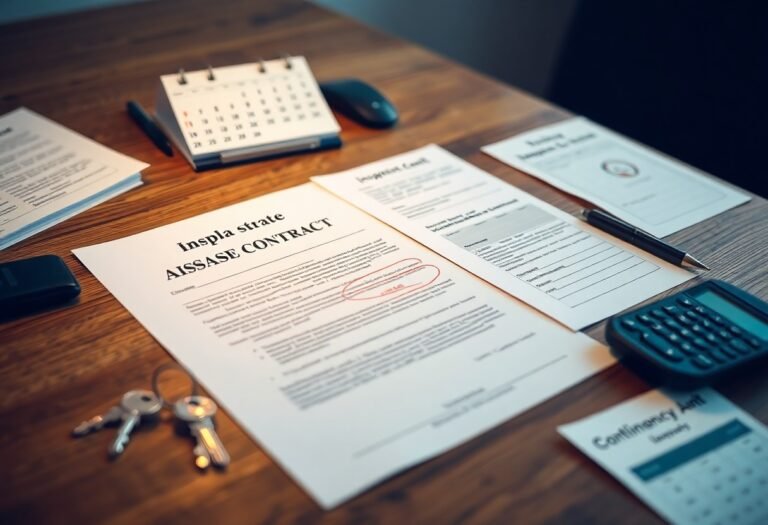
Deadlines you miss-loan commitments, inspection periods, or financing conditions-can void protections and force you into binding obligations that cost far more than repair estimates.
Ignoring Restrictive Covenants and HOA Obligations
Covenants and HOA rules you ignore may impose retroactive fines, restrict renovations, or block intended uses, reducing livability and resale appeal.
If you skip reviewing CC&Rs and HOA budgets you could inherit special assessments, mandatory repairs, or litigation exposure; verify reserve funds, fee histories, and alteration rules before signing to avoid surprise costs and compliance headaches.
Summing up
Upon reflecting, you lose the most money by skipping inspections, underestimating taxes and fees, stretching your budget in bidding wars, and ignoring your credit score; these decisions inflate monthly costs and erode long-term equity.
FAQ
Q: What mistakes cause the largest unexpected costs for first-time buyers?
A: Skipping inspections, waiving contingencies, and stretching the budget to win a bid are the mistakes that most often turn into large expenses. Skipping a professional inspection can leave serious issues like roof, HVAC, plumbing, or foundation problems undiscovered; repairs can run from a few thousand dollars to tens of thousands. Waiving appraisal or financing contingencies can force buyers to complete a purchase at a price they cannot actually afford or to lose their earnest money. Overbidding or choosing a home at the top of one’s budget leaves no reserve for immediate repairs, higher interest payments, or rising taxes and insurance. Prevent these costs by budgeting conservative reserves, keeping contingencies that matter, ordering inspections, and avoiding emotional overbidding.
Q: How much can skipping a home inspection cost me?
A: A basic inspection typically costs $300-$600 but can reveal problems that would otherwise cost thousands. Common expensive items include roof replacement ($5,000-$15,000), HVAC replacement ($3,000-$8,000), major electrical or plumbing work ($2,000-$10,000), and foundation repairs ($10,000-$50,000+). Hidden mold, pest infestations, or structural issues create safety problems and insurance complications. Spending for specialized inspections (termite, sewer scope, radon) adds $100-$500 each but can prevent large surprises. Include inspection contingencies in the offer so you can renegotiate or walk away if major defects appear.
Q: How does a small down payment or ignoring mortgage rates inflate long-term costs?
A: Smaller down payments increase loan principal and often trigger private mortgage insurance (PMI), which typically adds 0.5-1.5% of loan value per year until equity reaches target levels. For a $300,000 home with a 3% down payment, PMI can be $1,200-$4,500 annually. Higher interest rates multiply the cost over the life of the loan; a 0.5-1.0 percentage point rate difference can raise monthly payments by hundreds and add tens of thousands in interest across a 30-year mortgage. Making a larger down payment, shopping multiple lenders for rates, and comparing fixed vs adjustable-rate terms reduce these long-term costs.
Q: What closing and carrying costs do first-time buyers commonly underestimate?
A: Closing costs typically run 2-5% of the purchase price and include lender fees, title insurance, appraisal, and escrow charges. On a $300,000 home, expect $6,000-$15,000. Ongoing carrying costs include property taxes, homeowners insurance, HOA fees, and utilities; these often add several hundred dollars to monthly expenses. Budgeting for maintenance and unexpected repairs is vital; a common guideline is 1-3% of the home’s value per year for upkeep. Account for moving, immediate upgrades, and any required safety fixes when calculating how much cash you need at closing.
Q: Which mistakes in the offer and contract stage lead to the biggest losses, and how can I avoid them?
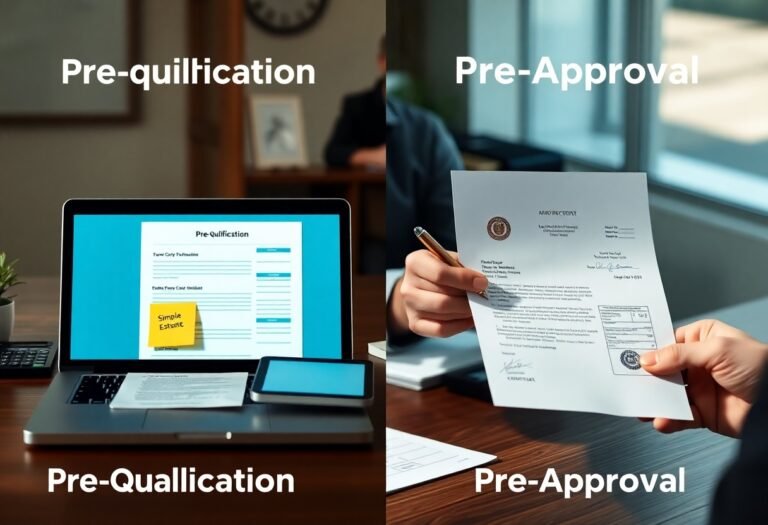
A: Waiving inspection, appraisal, or financing contingencies can result in losing earnest money or being forced to complete a costly purchase. Making low or no earnest-money deposits in competitive markets can weaken bargaining power and lead to losing preferred protections. Using an inexperienced agent or failing to read contract deadlines can cause missed opportunities to cancel or negotiate after new issues arise. Protect yourself by securing lender pre-approval (not just prequalification), including clear contingencies for inspection and appraisal, choosing an appropriate earnest-money amount, and working with an agent experienced in your market.