It’s wise to weigh commute time, safety, amenities, housing costs, transit options, and community feel when choosing a neighborhood beyond schools; you should inspect noise levels, local services, future development plans, and nearby green spaces to match daily routines and long-term plans.
Key Takeaways:
- Commute and transportation: assess travel times, public transit quality, and access to highways to match daily routines.
- Safety and infrastructure: review crime data, street lighting, sidewalks, and emergency services for practical livability.
- Amenities and services: check proximity to grocery stores, parks, healthcare, and entertainment for everyday convenience.
- Community character: visit at different times, talk to neighbors, and observe noise levels, demographic mix, and local events.
- Future outlook and costs: research zoning, planned development, property taxes, and resale trends to weigh long-term value.
Connectivity and Commute Logistics
Check commute times, peak-hour traffic patterns, and major route access so you can weigh daily travel costs against neighborhood perks like walkability and local services.
Proximity to Major Employment Hubs
Locate nearby employment centers and test real commute routes by car, transit, or bike so you can choose a neighborhood that minimizes travel time and stress.
Accessibility of Public Transit Networks
Assess service frequency, station spacing, and transfer ease so you can depend on transit for daily trips without long waits or awkward connections.
Compare route maps, real-time reliability, weekend schedules, bike facilities, and safety at stops so you can judge whether transit meets commute windows, childcare runs, and evening plans; check planned expansions and fare integration for long-term convenience.
Lifestyle and Essential Amenities
Assess how nearby amenities fit your lifestyle: transit, shops, cafés and services shape daily routines and resale appeal. Factor in commute times, evening activity and noise levels so your home supports weekly habits without long detours.
Density of Grocery Stores and Healthcare Services
Check grocery and clinic density within walking distance; you want frequent, nearby options for staples and urgent care. Count stores you’d use, 24-hour pharmacies, and specialty providers to reduce time lost on basic errands and medical needs.
Availability of Parks and Recreational Spaces
Explore park access and recreational offerings near home: playgrounds, trails, dog runs, and sports fields determine how active your days will be. Prioritize safe lighting, seating, and maintenance so public spaces actually invite regular use.
You should assess park size, programming, and connectivity: linked greenways and bike lanes extend usable space, while scheduled classes, farmers’ markets, and playground upkeep signal community investment. Check safety measures, restroom availability, and peak crowding times; proximity to calm spots matters if you want quiet afternoons or outdoor work.
Safety and Neighborhood Stability
Assess how stable the neighborhood feels by checking vacancy rates, upkeep of homes and businesses, and frequency of visible repairs so you can judge long-term safety.
Analyzing Local Crime Statistics and Trends
Review local crime maps and multi-year trends, focusing on types of incidents, times, and hotspots, then cross-check with police response times so you can assess actual risk rather than hearsay.
Evaluating Community Engagement and Upkeep
Observe street cleanliness, park maintenance, presence of community events, and active neighborhood groups to gauge how invested you and other residents are in safety and appearance.
Talk with neighbors, attend a meeting, and scan local social feeds to learn whether issues get resolved quickly, what volunteer efforts exist, and if you would feel welcome contributing.
Walkability and Urban Design
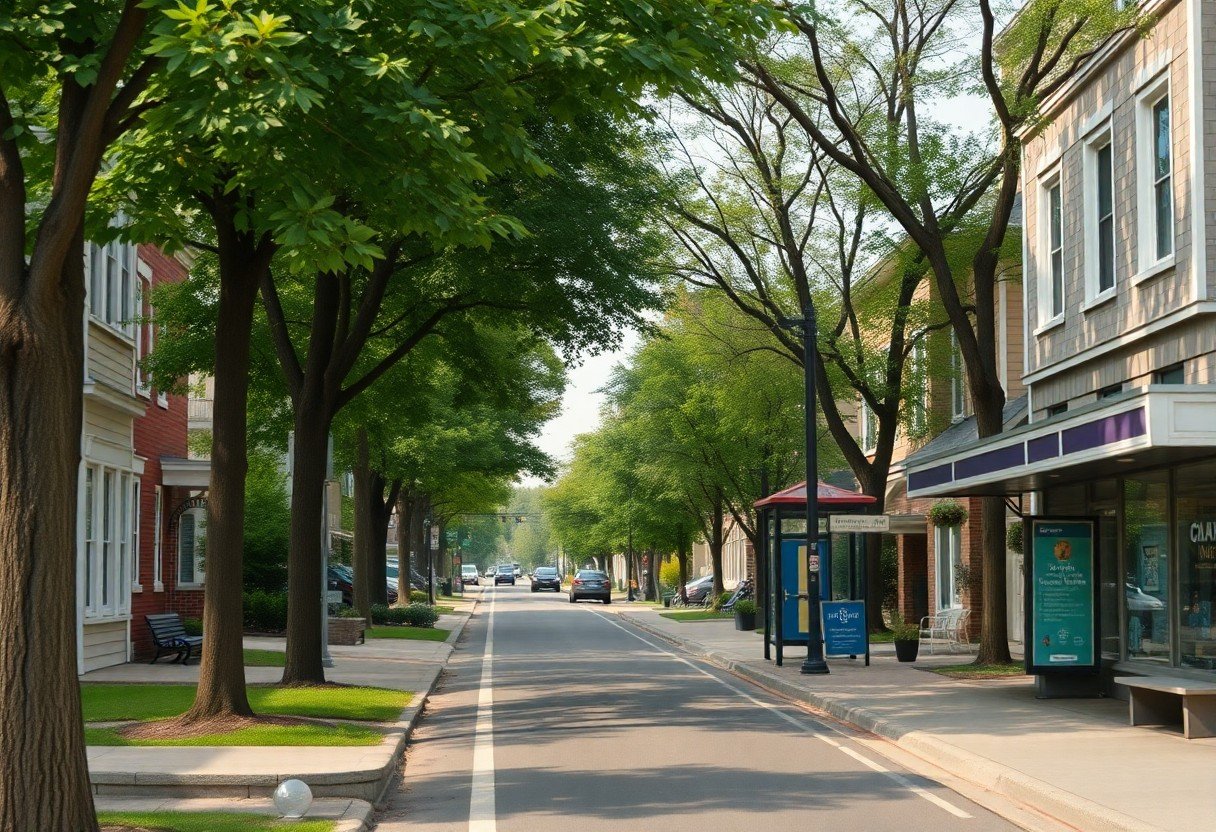
Walkability and street layout shape daily routines; you should seek connected blocks, frequent crosswalks, and mixed-use corridors that make walking practical for errands, school runs, and socializing. Thoughtful urban design cuts car time and increases local activity.
Quality of Sidewalks and Pedestrian Infrastructure
Sidewalks need continuity, width, curb ramps, lighting, and buffers so you can walk safely and comfortably at any hour. Presence of benches, trees, and clear signage enhances usability.
Presence of Local Dining and Social Third Places
Restaurants, cafes, and bars act as social anchors; you should choose neighborhoods where casual spots are within walking distance, supporting spontaneous meetings and evening life beyond weekday hours.
Look for diversity and timing: you want daytime coffee shops, evening restaurants, and casual bars that stay open late enough to match your routine. Check for walk-up counters, outdoor seating, and regular community events that draw neighbors. Pay attention to affordability, independent ownership, and whether venues host meetings or groups – those traits make social life sustainable and inclusive.
Long-Term Investment Potential
Assessing long-term investment potential means you weigh job growth, transit projects, zoning changes, and demographic trends to judge resale and rental demand over decades.
Impact of Planned Commercial Developments
Planned commercial developments can shift foot traffic, services, and property desirability; you should review proposed tenants, construction timelines, and parking or traffic impacts before betting on upside.
Historical Property Value Appreciation Trends
Reviewing historical appreciation helps you see resilience during downturns and average annual gains; compare similar neighborhoods across 10-20 years for realistic expectations.
Analyze inflation-adjusted compound annual growth, peak-to-trough declines, and recovery times so you grasp volatility; you should separate data by property type, consult county records, MLS, and census figures, and weigh recent trends against long-term averages when projecting future value.
Environmental and Noise Factors
Check noise, air quality and local green buffers; use resources like Where Do You Want to Live? – Home Buyer’s Handbook to compare sites. Assume that sites with trees, setbacks, and zoning buffers feel quieter and cleaner.
- Noise sources: traffic, aircraft, trains
- Air concerns: smog, odors, industrial emissions
- Buffers: parks, tree lines, setbacks
Traffic Congestion and Flight Path Disturbance
Expect rush-hour congestion and aircraft overflights; you should visit at peak times and consult noise maps or community groups to assess disturbance.
Proximity to Industrial Zones and Air Quality
Consider proximity to factories, waste sites, and highways, since you may notice odors, soot, or chemical smells that affect daily comfort and health.
Review local zoning maps, EPA air-quality data, state environmental reports, and community complaints; ask sellers for soil and indoor-air tests, confirm setback distances, and check prevailing winds so you can estimate exposure and long-term health risk near industrial areas.
Summing up
The best neighborhood choice balances commute time, safety, amenities, cost, and community vibe; you should visit at different hours, review crime and school data, test local routes, speak with residents, and align choices with your lifestyle and resale goals.
FAQ
Q: What factors should I consider beyond schools when choosing a neighborhood?
A: Start by listing priorities such as safety, commute time, housing costs, and nearby amenities. Check crime maps, police reports, and visit the area during daytime and after dark to assess safety firsthand. Measure typical commute times to work and frequent destinations using rush-hour checks rather than only off-peak map estimates. Evaluate housing stock, property taxes, HOA rules, and resale trends to match budget and long-term plans. Factor in quality of parks, grocery stores, healthcare, local childcare, noise levels, and environmental risks like flood zones or nearby industrial sites.
Q: How do I evaluate commute and transportation options?
A: Compare door-to-door commute times by driving, transit, biking, and walking during peak hours to see real-world differences. Review transit frequency, reliability, and planned service changes on official transit websites and public meeting records. Check walkability and bike infrastructure, availability of carshare or park-and-ride, and typical parking conditions and costs near home and work. Consider reliability and variability of each route, and identify backup options for frequent highway or line disruptions.
Q: What should I look for in local amenities and services?
A: Map important services within a 10-15 minute radius, including supermarkets, pharmacies, clinics, childcare, and green space. Test quality by shopping, using healthcare facilities, and spending time in parks and cafes at different times of day. Verify internet providers and utility reliability, and confirm hours for pharmacies, banks, and transit hubs that matter for your schedule. Include options for dining, cultural venues, and recreation that match your household’s habits and social life.
Q: How can I assess future development and the impact on property values?
A: Research zoning maps, municipal planning documents, and recent building permits to identify upcoming projects that could change traffic, noise, or demand. Talk to local real estate agents and long-term residents about historical price trends and any planned infrastructure or commercial developments. Check city council agendas and planning commission minutes for proposals that affect density or land use. Weigh potential appreciation from improvements against risks such as overbuilding, higher taxes, or loss of neighborhood character.
Q: How do I determine whether the neighborhood’s community fits my lifestyle?
A: Observe daily life by visiting at different times, attending a community meeting or farmers market, and listening to neighbors about local issues. Browse neighborhood Facebook groups, Nextdoor, and local blogs for real-time discussions about noise, safety, schools, and services. Check HOA rules, rental versus owner-occupancy rates, and any historic-preservation overlays that affect renovations and property use. Pick a neighborhood whose noise level, pet rules, nightlife, and community activities align with your preferences and daily routines.