Selling your home successfully starts with ten practical fixes that boost appeal, value, and market readiness; you should prioritize repairs, decluttering, fresh paint, curb appeal, systems checks, minor upgrades, deep cleaning, staging, odor removal, and clear documentation.
Key Takeaways:
- Curb appeal makes the first impression: trim landscaping, add fresh mulch, paint or stain the front door, and repair walkways and exterior lighting.
- Declutter and stage interiors to show space and flow: remove personal items, simplify furniture, and use neutral décor to help buyers envision living there.
- Fix visible defects: patch holes, touch up paint, repair or replace damaged flooring, tighten cabinet hardware, and replace cracked windowpanes or screens.
- Service major systems and address safety issues: schedule HVAC and roof checks, fix plumbing leaks, replace worn electrical components, and provide inspection reports when available.
- Deep clean and freshen the home: professional cleaning, eliminate odors, update lighting and fixtures, and make minor kitchen or bathroom upgrades like new faucets or hardware.
Paint Interior Walls Neutral
You should paint interior walls neutral to appeal to more buyers, conceal minor imperfections, and showcase furnishings. Pick light warm or cool neutrals and avoid bold hues. Use quality paint and a satin or eggshell finish for easy cleaning and consistent coverage.
Select neutral paint shades
You should select neutral paint shades that suit your home’s lighting and style; test swatches on different walls and view them at various times of day. Opt for warm beiges or soft greiges in low-light rooms and cooler light grays in bright spaces to maintain balance.
Refresh trim and baseboards
You should refresh trim and baseboards with fresh white or matching paint to brighten rooms, hide scuffs, and present a well-maintained appearance. Light semi-gloss finish resists marks and makes cleaning easier.
Start by cleaning trim with mild detergent, then sand rough spots and scrape loose paint. You should fill gaps and nail holes with paintable caulk or wood filler, sand smooth, and apply a stain-blocking primer where needed. Paint two thin coats with a semi-gloss or satin enamel, removing tape before full cure for crisp lines and durable, easy-to-clean results.
Boost Outdoor Curb Appeal
You can increase buyer interest before they step inside by tidying beds, trimming hedges, and adding a few low-maintenance plants. Fresh mulch, clean walkways, and updated house numbers create a welcoming first impression that raises perceived value without major expense.
Mow and edge lawn
You should mow and edge your lawn weekly to present a neat, well-tended yard; crisp edges along driveways and beds signal care and make the property appear larger.
Paint the front door
You can refresh the front door with bold, durable paint to add instant character and curb appeal. Choose a color that complements the siding and hardware for a cohesive, high-end look.
You should sand and prime bare wood, remove or mask hardware, and apply two thin coats of exterior paint in semi-gloss for durability. Test your color on a small area in different light, and pick a shade that contrasts the façade while matching trim for a polished, inviting entry.
Update Kitchen Cabinet Hardware
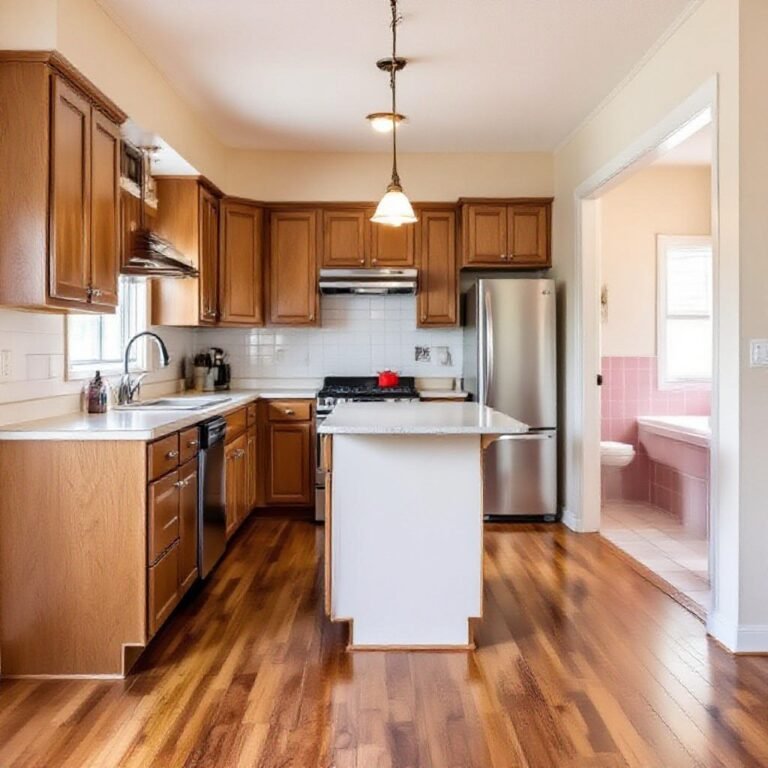
You can refresh cabinets by swapping dated knobs and pulls for modern options that catch buyers’ eyes. Small hardware updates are affordable and quick; read more at 10 Things You Must Fix Before Selling Your Home – US Inspect.
Install modern metal pulls
You should install slim brushed-nickel or matte-black pulls for a contemporary, photo-ready look that appeals to buyers and complements many finishes.
Replace dated cabinet hinges
You can replace loose or rusty hinges with soft-close, concealed models to improve function and give cabinets a higher-end feel.
You will need a screwdriver, tape measure, and possibly a drill for new hinge plates. Match hinge type to door overlay and thickness, and test alignment before finishing. Professional adjustment can prevent sagging doors and uneven gaps that buyers notice.
Replace Dated Light Fixtures
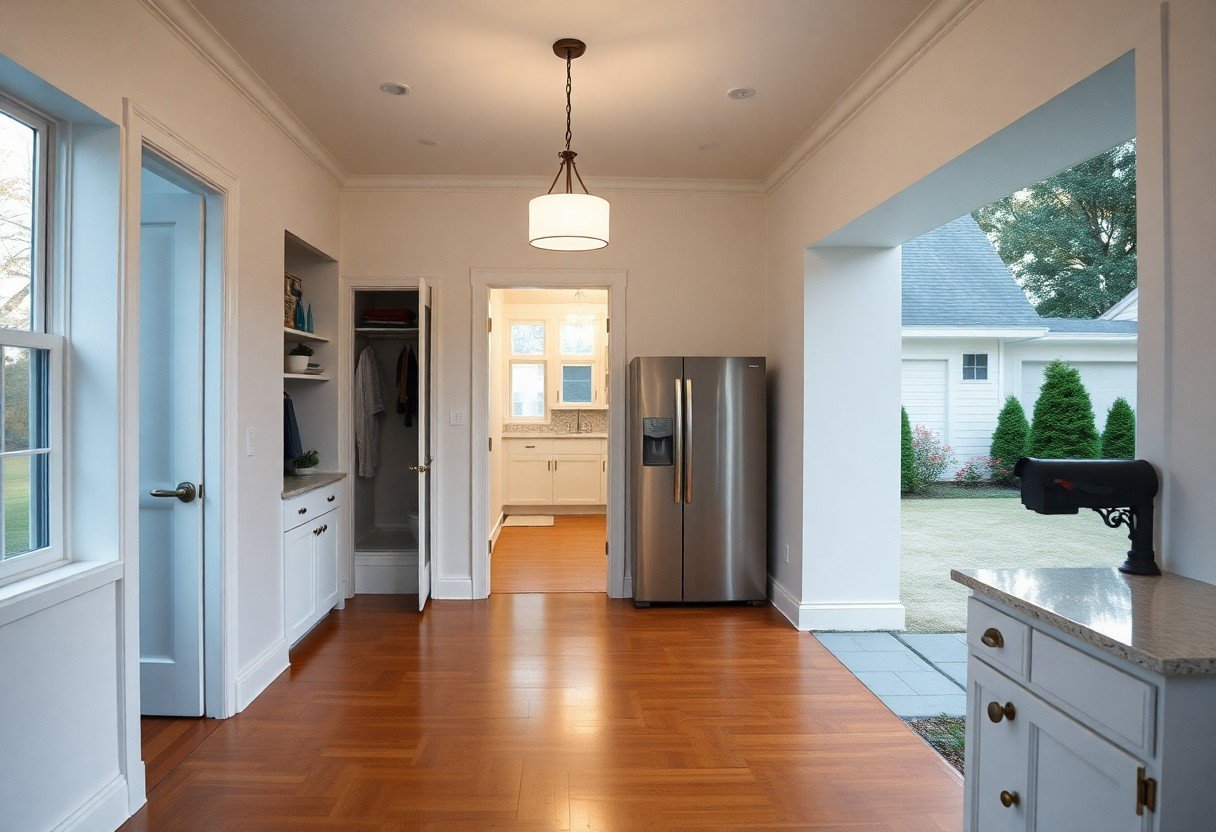
You can modernize your home by swapping outdated fixtures for clean, energy-efficient options that appeal to buyers. New lighting brightens rooms, updates style, and signals careful upkeep.
Update dining room chandelier
You should choose a chandelier that matches room scale and offers dimmable lighting for versatile ambiance. Buyers notice updated fixtures that make dining spaces inviting.
Replace exterior porch lights
You should install fixtures that improve curb appeal and provide ample illumination for safety. Matching styles and energy-efficient bulbs create a polished, welcoming entrance.
Consider motion-sensor or dusk-to-dawn options to enhance security and lower energy costs; choose finishes that complement your home’s exterior and replace corroded hardware for a fresh look.
Deep Clean Entire House
You should deep clean every room to remove hidden dust, stains, and odors; buyers notice cleanliness more than you expect. Focus on baseboards, vents, light fixtures, and under furniture to present a move-in ready impression that supports higher offers.
Steam clean all carpets
You can steam clean carpets to lift dirt, allergens, and odors that vacuuming misses. Rent a machine or hire pros to ensure quick drying and a uniform look that helps rooms feel fresh and well maintained.
Scrub windows and tracks
You should scrub windows and tracks to remove grime, fingerprints, and buildup that reduce light and suggest neglect. Clean glass, frames, and sills so natural light brightens rooms and photos look sharper online.
Use a vinegar-water solution and a stiff brush to dislodge dirt from tracks, then vacuum residue and wipe with a microfiber cloth. Remove screens for outside cleaning, dry frames to prevent streaks, and lubricate sliding tracks so windows open smoothly during showings.
Fix All Plumbing Leaks
You must repair any visible plumbing leaks before listing to prevent water damage, reduce inspection issues, and reassure buyers that the home has been maintained.
Repair dripping kitchen faucets
You can stop a dripping kitchen faucet by replacing worn washers or cartridges; this saves water, eliminates noise, and improves kitchen appeal for potential buyers.
Seal leaking toilet bases
You should seal a leaking toilet base to prevent floor rot and mold; tighten bolts, replace the wax ring, and inspect subfloor before listing.
If you notice water at the toilet base, turn off the water, remove the toilet, replace the wax ring and flange if damaged, and repair any soft subfloor before reinstalling.
Declutter And Depersonalize Rooms
You must remove excess furniture, clear flat surfaces and stow personal items so rooms feel spacious and neutral; buyers should picture their own belongings in the space.
Remove all family photos
You should take down family photos and personal artwork, replace them with simple prints or mirrors, and pack keepsakes; neutral decor helps buyers focus on features instead of your history.
Clear off kitchen counters
You should clear countertops of appliances, mail and utensils so surfaces appear larger and food prep areas show off functionality; display one neat bowl or plant for warmth.
Store small appliances in cabinets or a pantry, group daily crucials on a single tray, hide cleaning supplies and clear fridge magnets; wipe counters spotless and leave prep zones empty so buyers see usable workspace.
Refinish Worn Wood Floors
You can dramatically improve buyer perception by refinishing scuffed wood floors; sanding and recoating restores color and luster while showing well in listing photos and open houses.
Sand away surface scratches
You should sand small scratches with fine-grit paper and a hand block to blend the marks into the finish, working with the grain to avoid unevenness.
Apply fresh protective coat
You can apply a new polyurethane or water-based sealer to protect the wood and enhance sheen; choose the finish that matches existing gloss and allow full drying before foot traffic.
You should apply two to three thin coats, lightly sanding between coats with fine sandpaper for adhesion; oil-based poly gives deeper amber tones and longer cure times, while water-based dries faster with clearer color. Ensure good ventilation and follow manufacturer cure times before moving furniture.
Refresh Bathroom Tile Grout
You can brighten bathroom appeal by refreshing tile grout; clean, re-whitened lines make tiles look new and reassure buyers about maintenance. Use grout cleaners or regrout discolored areas, then seal when dry to prevent staining and mildew.
Clean shower wall grout
You should deep-clean shower wall grout to remove soap scum and mold; apply a baking soda paste or commercial grout cleaner, scrub with a nylon brush, rinse thoroughly, and ventilate to dry. Clean grout signals good upkeep to buyers.
Repair cracked floor joints
You must repair cracked floor joints to prevent water damage and tripping hazards; remove loose grout, apply matching grout or flexible caulk, and allow proper cure time before foot traffic.
You can inspect joints for movement, widen damaged seams with a grout saw, vacuum debris, dampen the area, and pack new grout with a rubber float; use silicone caulk in expansion gaps to accommodate movement and avoid future cracks.
Repair Damaged Wall Drywall
You should inspect walls for holes, water stains, and loose drywall tape before listing. Small holes can be spackled; larger damage may need patching or replacement. Clean the area, remove loose material, and plan repairs to present smooth, paint-ready walls that appeal to buyers.
Fill dents with spackle
You should press a small amount of spackle into dents, smoothing with a putty knife. Let it dry fully, then apply a second skim coat for deeper imperfections. Keep work thin to avoid lumps that show through paint.
Sand patches until smooth
You should sand patched areas with fine-grit sandpaper until they blend with surrounding drywall. Wipe away dust and test with your hand to ensure an even surface before priming and painting.
You should start with 120-150 grit to remove excess compound, then finish with 220 grit for a silky surface. Use a sanding block to preserve flatness and sand the patch edges to feather into the wall. Vacuum and tack cloth before priming to prevent imperfections under paint.
Summing up
On the whole you should prioritize repairs, decluttering, neutral staging, curb appeal, and professional photos so your home attracts competitive offers; addressing minor fixes, updating lighting, deep cleaning, and transparent disclosures helps you sell faster and for a better price.
FAQ
Q: What are the 10 best fixes before listing your home?
A: 1. Declutter and deep clean: Remove personal items, clear counters and closets, clean carpets, windows, and vents so spaces look larger and move-in ready. 2. Fresh interior paint in neutral tones: Patch holes, sand, and apply neutral colors to appeal to the widest pool of buyers. 3. Repair visible defects: Fix leaky faucets, cracked tiles, sticking doors, loose trim, and any safety hazards that could derail offers. 4. Update hardware and fixtures: Replace dated cabinet pulls, doorknobs, faucets, and switch plates to modernize appearance at low cost. 5. Improve lighting: Replace dim bulbs, add higher-output LED lighting, and ensure fixtures are clean and working to brighten rooms. 6. Boost curb appeal: Mow the lawn, trim bushes, add fresh mulch or potted plants, paint or refinish the front door, and power-wash siding and walkways. 7. Refresh flooring: Clean carpets, refinish hardwoods, or replace damaged flooring in high-traffic areas to remove visible wear. 8. Minor kitchen and bath upgrades: Re-caulk tubs, reglaze or regrout tile, update faucets, and consider inexpensive cabinet refacing or painted cabinets. 9. Service major systems: Get HVAC tuned, check the roof and gutters, inspect plumbing and electrical, and fix any items that will appear on inspections. 10. Stage and photograph: Arrange furniture for flow, add neutral decor, and hire a professional photographer to show the home at its best.
Q: How should I prioritize those 10 fixes if I have a limited budget?
A: Start with safety and inspection-driven repairs: Address anything the inspector or municipality would flag, such as electrical hazards or roof leaks. Next focus on curb appeal and cleanliness because first impressions affect showings and photos. Low-cost, high-impact items follow: neutral paint, decluttering, deep cleaning, and lighting upgrades. Mid-range investments include minor kitchen and bath touch-ups plus visible flooring repairs. Large projects like full kitchen remodels come last unless the market demands them or competitive listings require it. Allocate funds based on estimated return, seller timeline, and offers from contractors.
Q: Which fixes provide the best return on investment?
A: Neutral interior paint and improved curb appeal typically deliver strong returns by increasing buyer interest with relatively low cost. Deep cleaning, decluttering, and staging improve perceived value and speed of sale with minimal expense. Minor kitchen and bath updates-new hardware, refreshed countertops, or resurfaced cabinets-often offer good ROI compared with full remodels. Energy- or safety-related repairs that remove buyer objections, such as HVAC servicing or roof repairs, protect sale value by preventing renegotiation. Extensive renovations yield mixed returns depending on neighborhood comparables and buyer expectations.
Q: Which of these fixes can I do myself and when should I hire a professional?
A: Do-it-yourself tasks: Decluttering, deep cleaning, painting, replacing hardware, changing light bulbs, basic caulking, and simple yard cleanup. Hire professionals for electrical, major plumbing, structural work, roof repairs, HVAC servicing, and any job requiring permits or specialized equipment. Consider hiring pros for flooring installation, significant kitchen or bath work, and professional staging or photography to maximize presentation. Factor in your skill level, time availability, warranty needs, and how quickly you must list when deciding between DIY and contractors.
Q: What paperwork or inspections should I prepare before listing after completing these fixes?
A: Obtain written receipts and warranties for repairs and upgrades and keep contractor contact information. Order a pre-listing inspection to identify and address issues proactively and use the report to reassure buyers. Gather permits and certificates for permitted work and compile appliance manuals and recent service records for HVAC, water heater, and other systems. Prepare seller disclosures that accurately reflect known issues and completed fixes. Schedule professional photos and a clean final walk-through after staging so documentation and presentation align when the home hits the market.