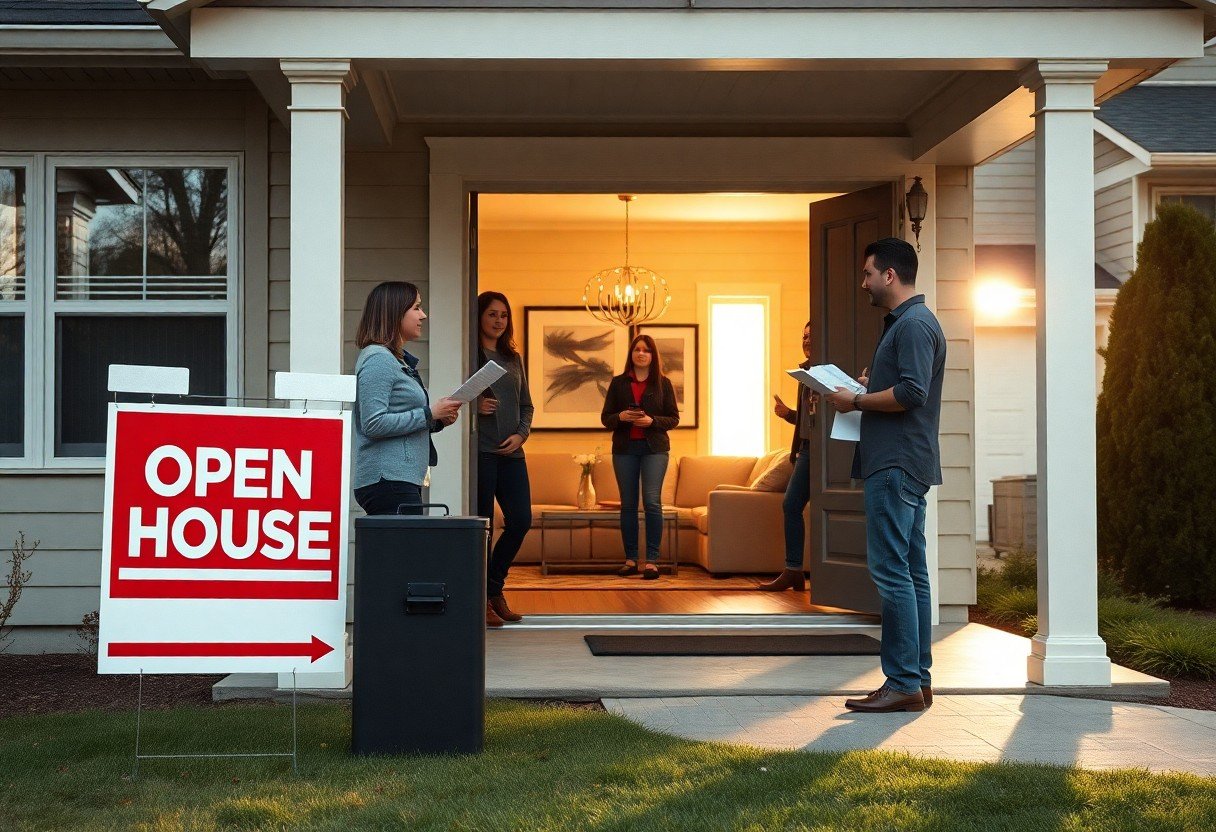
Many sellers host open houses to showcase properties, but you need to assess market conditions, property type, and buyer behavior to determine when they increase exposure versus waste time.
Key Takeaways:
- Open houses generate buyer leads, create neighborhood buzz, and provide low-effort showings for casual visitors, but rarely produce immediate offers.
- Best results occur when homes are priced competitively, staged well, and marketed to local agents and targeted buyers.
- Poor results happen when properties are overpriced, in low-traffic areas, poorly maintained, or promoted without targeted outreach.
- Security concerns and time spent on unqualified visitors make open houses less effective for high-end or vacant homes.
- Virtual tours, broker previews, and scheduled private showings often outperform open houses for speed of sale and quality of buyer leads.
The Strategic Benefits of Hosting an Open House
Hosting an open house gives you a concentrated marketing event that showcases the property, draws agents and neighbors, and generates local buzz that increases inquiries and potential offers.
Maximizing Property Exposure and Foot Traffic
Positioning signage, photos and online details together lets you attract casual visitors and serious buyers, widening exposure while you gather contact information for targeted follow-up.
Creating a Sense of Urgency and Competition
Timed open houses create a competitive atmosphere, prompting attendees to act faster and often leading you to receive stronger offers or quicker negotiations.
When buyers witness visible interest, you can use observed reactions and immediate feedback to set clear response deadlines, disclose competing bids, and justify firm pricing, increasing the chance of securing a timely, favorable offer.
Analyzing the Success Rate: Real Estate Data
Data shows open houses seldom yield direct contracts; you gain traffic numbers, buyer feedback, and contact leads that inform pricing, staging, and targeted follow-up efforts.
Direct Sales vs. Lead Generation Statistics
You should expect low immediate-sale conversion from open houses, but higher lead volume; tracking contact-to-contract ratios and source attribution clarifies whether the events justify the time and cost.
Impact on Average Days on Market
Analysis of days-on-market patterns indicates that well-attended open houses can accelerate offers when pricing is competitive, yet you won’t see meaningful change if market demand is weak or marketing is poor.
Experienced agents compare similar comps with and without open houses to isolate impact, and you should factor in follow-up speed, offer timing, and buyer urgency when measuring days-on-market benefits.
When Open Houses Fail to Deliver Results
Open houses can underperform when buyer demand is low or the listing appeals to a narrow audience, leaving you with foot traffic but few serious leads.
High-End Luxury and Niche Market Limitations
Luxury properties require privacy, relationships, and targeted outreach, so you’ll often get better results from private showings and broker events than public open houses.
The Challenge of Unqualified “Looky-Loos” and Neighbors
You frequently encounter unqualified “looky-loos” and nosy neighbors who inflate attendance but rarely convert, wasting your time and exposing your property.
To reduce disruptions, require registration, ask visitors for agent contact, limit signage, host by-appointment previews, and brief neighbors on showing etiquette so you protect privacy and filter serious buyers.
Security and Privacy Considerations
Security protocols help you screen visitors, log attendees, and post clear signage; consult What is an open house and how does it work? and ask guests to sign in or show ID to deter theft.
Mitigating Risks to Personal Property
Secure valuables out of sight, remove small items, and disable smart home access so you keep control while visitors tour.
Managing Public Access to Private Spaces
Limit access by closing bedrooms and closets, clearly marking private areas, and guiding guests through a planned route so you protect sensitive spaces.
Guide visitors with a visible agent, rope or signage, and explain off-limits spaces so you reduce wandering and potential liability during the event.
Key Factors for a Successful Event
Quality staging, accurate pricing, timing, and agent presence determine turnout and buyer interest. After you confirm targeted promotion, clear signage, and a smooth entry flow, visitors stay longer and follow-up rates improve.
- Accurate pricing
- Targeted promotion
- Visible signage
- Agent availability
- Guest follow-up
Professional Staging and Curb Appeal
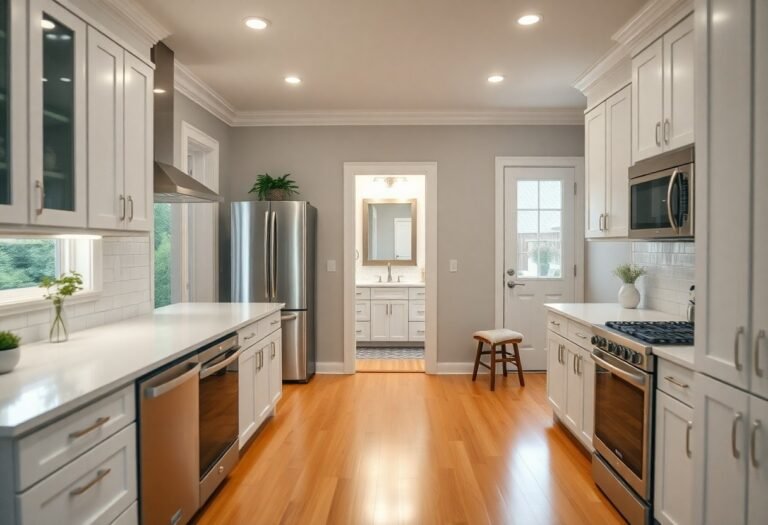
Staging and curb appeal show you how to make rooms feel welcoming, with decluttered spaces, neutral décor, and fresh landscaping to boost first impressions.
Digital Integration and Social Media Promotion
Social promotion helps you reach buyers via targeted ads, event pages, and influencer shares, turning casual interest into scheduled visits.
Online tools let you host live walkthroughs, schedule private video tours, track RSVPs, and retarget visitors with follow-up ads so you can convert online engagement into in-person offers.
Modern Alternatives to the Traditional Format
You can replace crowded open houses with targeted alternatives that cut unnecessary traffic, reduce security concerns, and attract buyers who are ready to act.
3D Virtual Tours and Video Walkthroughs
Virtual 3D tours and video walkthroughs let you showcase layout and flow online, prequalifying interest so only motivated buyers request in-person visits.
Invitation-Only Showings for Vetted Buyers
Invite only prequalified prospects to private viewings so you limit foot traffic, protect privacy, and concentrate on buyers who can close quickly.
Screening through proof of funds, lender preapproval, or agent referrals helps you prioritize serious buyers, schedule efficient tours, and justify holding firm on price when demand is verified.
Summing up
You gain buyer exposure and quick feedback from open houses, but they work best for staged, well-priced homes in active markets; you should rely on private showings, targeted outreach, or pricing strategy when privacy concerns, low demand, or complex sales make open houses ineffective.
FAQ
Q: Do open houses actually help sell a home?
A: Open houses can generate awareness, increase foot traffic, and provide immediate buyer feedback. They create casual exposure to neighbors and potential buyers who might not schedule private showings, and that exposure can lead to offers or agent referrals. Data and agent experience show a relatively small percentage of sales originate solely from open houses; many attendees are duplicate visitors or unrepresented lookers. Open houses work best when paired with strong online listings, targeted ads, and timely follow-up by the listing agent.
Q: When don’t open houses work?
A: Open houses often fail when the home is overpriced or highly specialized, because casual visitors rarely convert into qualified buyers. Seller-occupied properties with clutter, poor staging, or limited curb appeal reduce positive impressions. In very hot markets where buyers act through agents and scheduled showings, open houses add little value. Neighborhoods with low foot traffic, safety concerns, or restrictive HOA rules also produce poor turnout. Homes with high privacy or security needs should avoid open houses for safety reasons.
Q: How can sellers make an open house more effective?
A: Time the open house for peak local traffic and promote it on MLS, social media, neighborhood groups, and with clear signage. Stage the home to showcase primary selling points, complete minor repairs, and declutter so buyers can picture themselves living there. Require visitor sign-in, collect contact information, and gather candid feedback to adjust pricing or staging if needed. Have the listing agent present to answer questions, screen serious prospects, and follow up within 24-48 hours to convert interest into showings or offers.
Q: What safety, privacy, and legal issues should sellers consider?
A: Safety and privacy require careful planning before every open house. Secure valuables and prescription medications, remove personal documents, and consider having occupants leave during the event. Use visitor sign-in procedures and, when appropriate, request ID or pre-registration to limit unknown traffic. Confirm your insurance coverage and check local regulations for signage, disclosures, or restrictions on open houses. Agents should document attendance and any incidents for liability protection.
Q: What are effective alternatives to open houses?
A: Scheduled private showings attract serious buyers and allow personalized vetting, reducing security risks and giving agents time to qualify prospects. Broker-only tours put the listing directly in front of other agents who may have ready buyers. Virtual tours, high-quality photos, and 3D walkthroughs reach remote buyers and screen interest before in-person visits. Twilight or appointment-based open houses offer controlled exposure for targeted audiences. Choose the option that matches market conditions, property type, and the seller’s comfort with traffic and privacy.