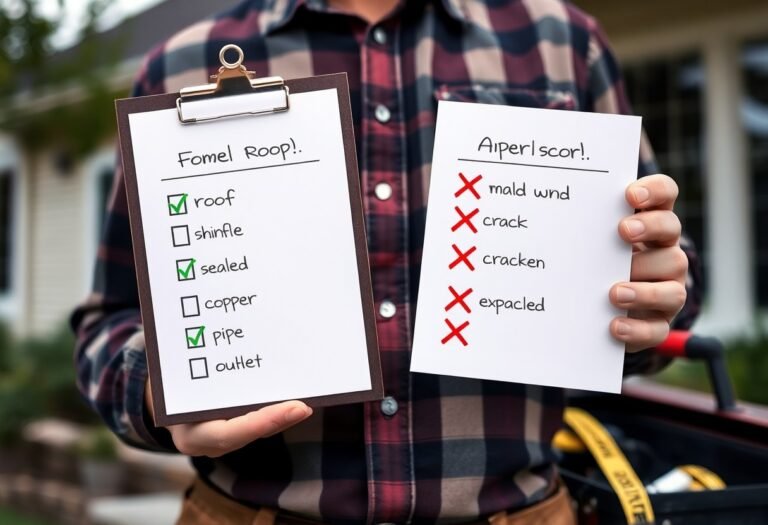
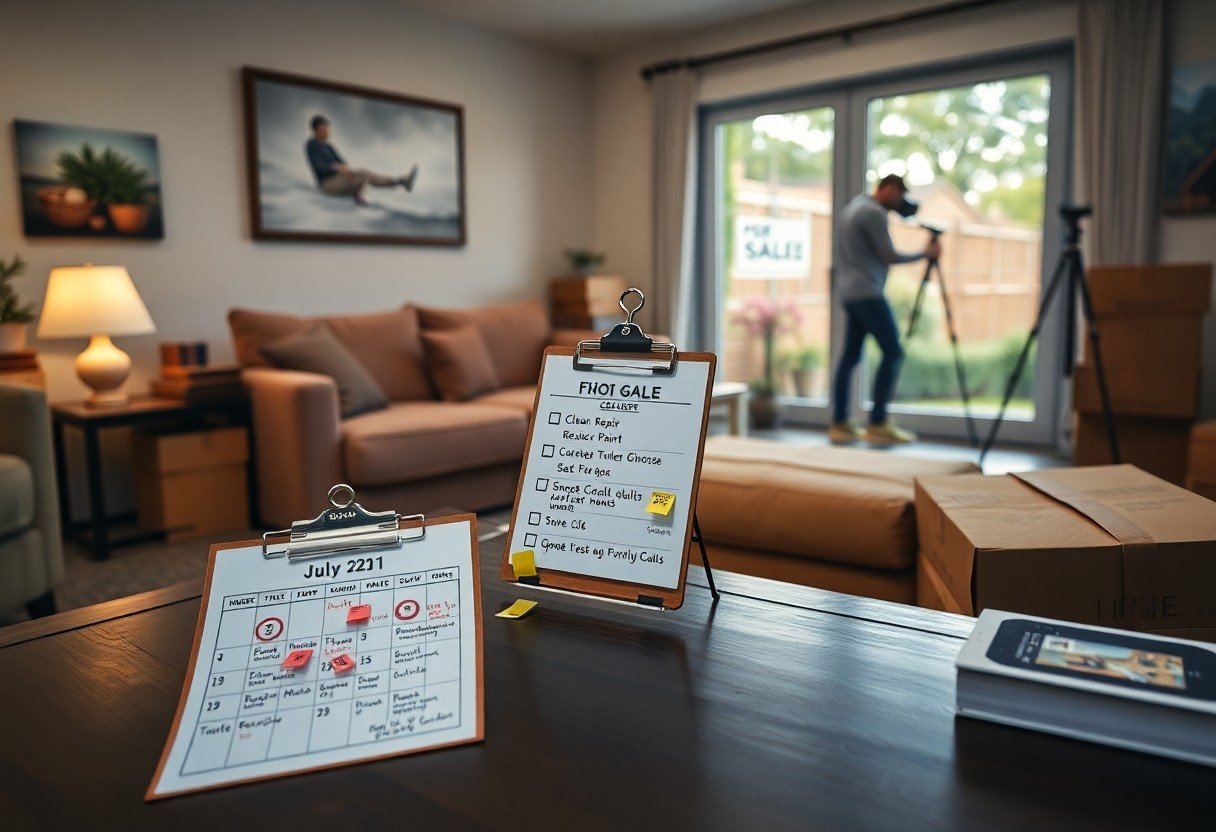
Over a 6-12 week timeline you should declutter, complete repairs, stage rooms, refresh curb appeal, and schedule inspections so you attract buyers and command a stronger offer.
Key Takeaways:
- Plan 8-12 weeks before listing to assess repairs, declutter, and budget for upgrades.
- Book inspections and complete major repairs 6-8 weeks out to avoid listing delays.
- Declutter, deep-clean, and handle cosmetic updates 3-6 weeks before photos and showings.
- Stage the home and schedule professional photography 1-2 weeks before listing for best presentation.
- Leave 2-4 weeks as a buffer for final touch-ups, market prep, and to manage offers and closing timelines.
Long-Term Strategy: 6 Months Before Listing
Six months before listing, you should inventory major maintenance, plan visible updates, and schedule inspections so you can spread costs and avoid last-minute fixes. Start coordinating contractors, permits, and staging decisions to keep your timeline on track.
Conducting a Preliminary Home Inspection
Schedule a comprehensive pre-listing inspection to uncover plumbing, electrical, roofing, and foundation issues so you can address them on your timeline. Prioritize repairs that affect safety and marketability, then gather quotes to compare costs before committing to work.
Prioritizing High-ROI Renovations and Repairs
Target cosmetic upgrades like fresh paint, kitchen hardware, and landscaping first, along with necessary system fixes. These improvements increase appeal and can yield the best return, helping you attract buyers quickly without overspending on low-impact projects.
Evaluate your local market and compare comparable sales to decide which updates pay off, focusing on kitchens, bathrooms, flooring, and curb appeal for outsized returns; replace dated countertops or fixtures, freshen paint, and update lighting for modern appeal. You should also fix any roof, HVAC, or major system problems that could kill offers, obtain several contractor bids, and schedule work to finish well before listing day.
Exterior Excellence: 2 Months Before Listing
Exterior updates like power-washing, roof checks, and driveway repairs should be completed two months before listing; you can follow a detailed schedule at The 10-Week Home Selling Timeline to stay on track.
Enhancing Curb Appeal Through Landscaping
Planting seasonal flowers, trimming hedges, and adding fresh mulch helps you create instant curb appeal that agents and buyers notice.
Addressing Exterior Paint and Structural Maintenance
Sealing trim, touching up paint, and fixing loose soffits ensures you present a well-cared-for exterior to buyers.
Inspect eaves, gutters, and fascia for rot or leaks, and hire a pro for roof or foundation issues you cannot safely handle. Schedule painters early to secure preferred dates, and patch wood and caulk joints so paint adheres and withstands showings and inspections.
Staging and Presentation: 2 Weeks Out
Two weeks before listing, you should finish deep cleaning, decluttering, minor repairs, and a lighting check; neutralize personal items, refresh paint where needed, and draft a staging plan so the home shows bright, inviting, and ready for buyer tours.
Implementing Professional Staging Techniques
Hire a professional stager or adopt their checklist to create clean focal points, maximize natural light, use neutral accents, and ensure each room tells a clear story that appeals to your target buyer.
Finalizing Furniture Placement for Optimal Flow
Arrange furniture to open sightlines and define functional zones; remove oversized pieces, center seating around focal points, and leave clear walkways so you make it easy for buyers to imagine living in each space.
Measure clearances to confirm comfortable movement: leave about 30-36 inches for main walkways and 12-18 inches between sofas and coffee tables; pull larger pieces slightly off walls, angle chairs to widen sightlines, and remove anything that interrupts flow so you enable buyers to move freely and perceive spaciousness.
Conclusion
To wrap up, you should begin major repairs 6-8 weeks before listing, declutter and deep-clean 2-4 weeks prior, stage and photograph 1-2 weeks out, and confirm paperwork and showings in the final days to maximize appeal and secure the best sale.
FAQ
Q: What is the ideal overall timeline to prepare a home for sale?
A: A practical timeline ranges from 2 weeks to 6 months depending on market speed and the home’s condition. Sellers in a hot market can list in as little as 2-4 weeks after quick decluttering, cleaning, and minor repairs. Homes that need major repairs, permits, or remodeling typically require 3-6 months to complete work, obtain inspections, and stage for photos. A good starting step is a consultation with an agent to prioritize tasks and set realistic deadlines tied to your move and local demand.
Q: What should be done 3-6 months before listing?
A: Schedule a thorough home inspection or pre-listing walk-through to identify structural, roof, electrical, plumbing, or HVAC issues. Get contractor estimates for any major repairs and apply for needed permits early to avoid delays. Plan larger projects such as kitchen or bath updates, replacing major systems, and exterior repairs so work finishes well before photography and open houses. Order replacement fixtures, flooring, or appliances now so installation can be scheduled without compressing the final staging window.
Q: What tasks belong in the 4-8 week window before going on the market?
A: Declutter and depersonalize each room; clear countertops, remove excess furniture, and store personal photos and keepsakes to make spaces appear larger. Complete cosmetic fixes like painting neutral colors, patching holes, tightening loose hardware, and switching out dated light fixtures. Deep clean carpets, windows, and all surfaces or hire professionals for steam cleaning and odor removal. Begin staging bedrooms and living areas, either with a professional stager or by following a checklist that emphasizes flow, focal points, and natural light.
Q: What should be done in the final 1-2 weeks and on photo day?
A: Perform a final deep clean, including inside cabinets, behind appliances, and all bathrooms, and set up well-lit, uncluttered spaces for photography. Prepare an outdoor shot by mowing the lawn, trimming shrubs, power-washing siding or walkways, and adding simple potted plants or a clean welcome mat. Create a showing kit with property disclosures, recent utility bills, appliance manuals, and repair receipts to provide to interested buyers. Remove pets, strong scents, and personal items during showings and schedule photos and virtual tours when the home is empty and sun direction is favorable for each room.
Q: How should I budget time and money for preparation to get the best return?
A: Obtain multiple quotes for repairs and staging to compare costs and expected return on investment; prioritize projects with high buyer impact such as fresh paint, curb appeal, minor kitchen or bath updates, and floor repairs. Set aside a contingency fund of 5-10% of your planned improvement budget to cover unexpected issues found during inspections. Divide tasks into “must-do” safety or code items, “high impact” visible updates, and “optional” enhancements that improve sale price but are not required. Coordinate timelines so major contractors finish at least two weeks before listing to allow for cleaning, staging, and professional photography.