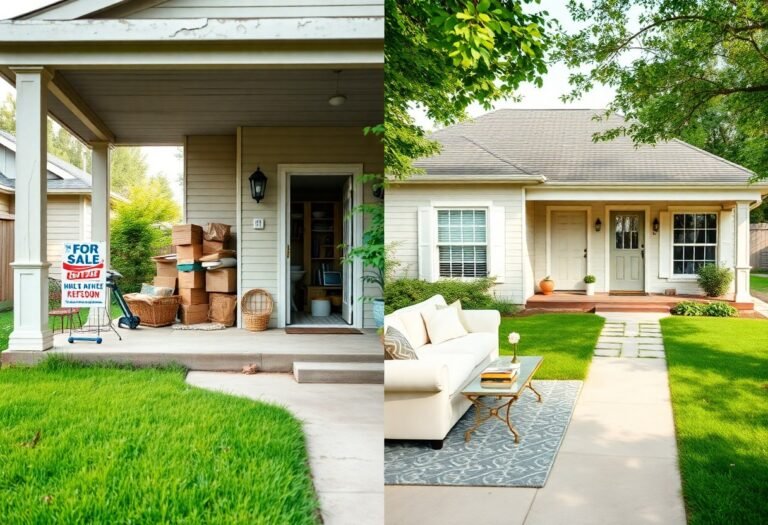
RealEstate factors-location, condition, size, upgrades and comparable sales-directly determine what you should expect when pricing or improving a home.
Key Takeaways:
- Location and neighborhood quality drive value through school districts, crime rates, transit access, and proximity to jobs and amenities.
- Recent comparable sales, local supply and demand, and broader market cycles set baseline prices and short-term movement.
- Condition, age, and energy-efficient or cosmetic upgrades increase buyer appeal compared with dated or poorly maintained properties.
- Size, functional layout, number of bedrooms and bathrooms, and usable outdoor space affect both buyer interest and price per square foot.
- Mortgage rates, local employment trends, and planned infrastructure or zoning changes can quickly raise or lower home values.
Location and Neighborhood Dynamics
Location determines demand; when you’re near transit, parks, and vibrant retail, resale value rises and buyer interest expands.
Proximity to Schools and Employment Hubs
Schools close to your home increase demand from families, shorten commutes, and often boost sale prices, especially for top-rated districts.
Local Crime Rates and Neighborhood Growth
Safety perceptions shape buyer decisions; if you live in a low-crime area with visible investment, property values and market speed typically improve.
Data on crime trends, vacancy rates, and building permits help you spot neighborhoods transitioning upward or slipping; lower crime attracts businesses, lowers insurance costs, and raises buyer confidence, while persistent crime discourages investment and depresses long-term appreciation.
Property Size and Functional Layout
Space and layout determine how you use a home, affecting desirability and resale; efficient traffic flow and flexible rooms increase perceived value and buyer interest.
Total Square Footage and Livable Area
Square footage and livable area dictate price per foot and market comparisons, so you should highlight usable space and clear delineation between living and storage areas.
Bedroom and Bathroom Configuration
Bedrooms and bathrooms count affects market appeal; you should aim for a logical mix that suits target buyers, with at least one full bath near main sleeping areas.
Layout choices like en-suite masters, dual sinks, and an extra half-bath can boost appeal to families and professionals, while adaptable rooms let you market for multiple buyer segments.
Structural Integrity and System Age
You should assess structural integrity and system age because visible wear, outdated components, or deferred repairs lower buyer confidence and market price; documented inspections and recent upgrades help preserve or boost value.
Condition of Roof, HVAC, and Foundation
Inspect the roof, HVAC, and foundation for leaks, sagging, rust, cracks, or uneven settling; major defects create negotiation leverage for buyers and force costly repairs that reduce your home’s resale appeal.
Historical Maintenance and Utility Efficiency
Evaluate historical maintenance records and utility efficiency; consistent servicing, updated systems, and low energy bills reassure buyers and help you justify a higher listing price.
Document all service receipts, upgrade dates, warranties, and energy audits so you can demonstrate lifecycle costs and immediate savings; lenders and appraisers weigh documented efficiency when estimating value.
Interior Upgrades and Modernization
Upgrades you choose inside often deliver the biggest value gains; consult the research on Long-Term Investments Impact Home Value to prioritize projects that appeal to buyers.
High-Value Kitchen and Bathroom Renovations
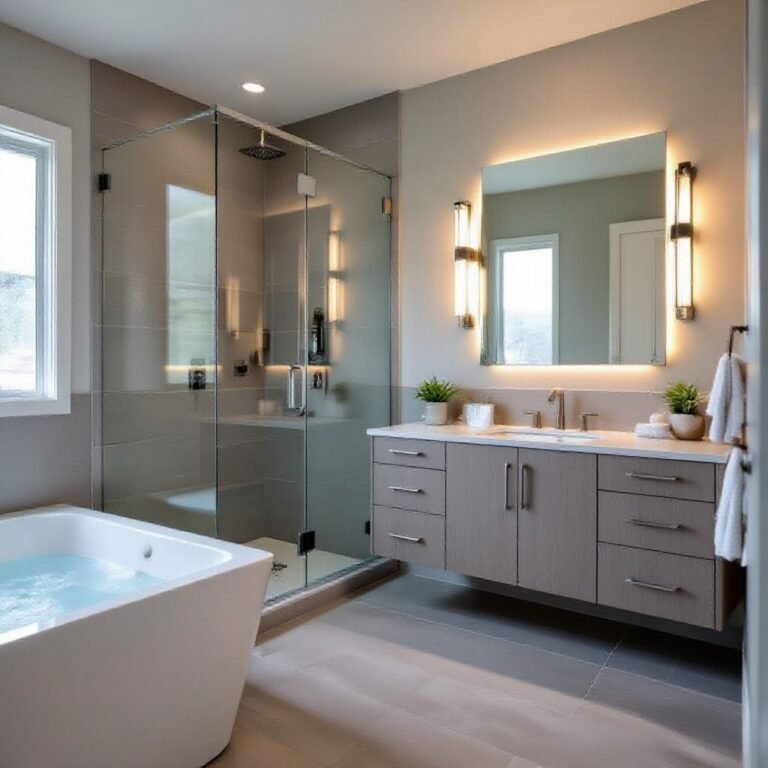
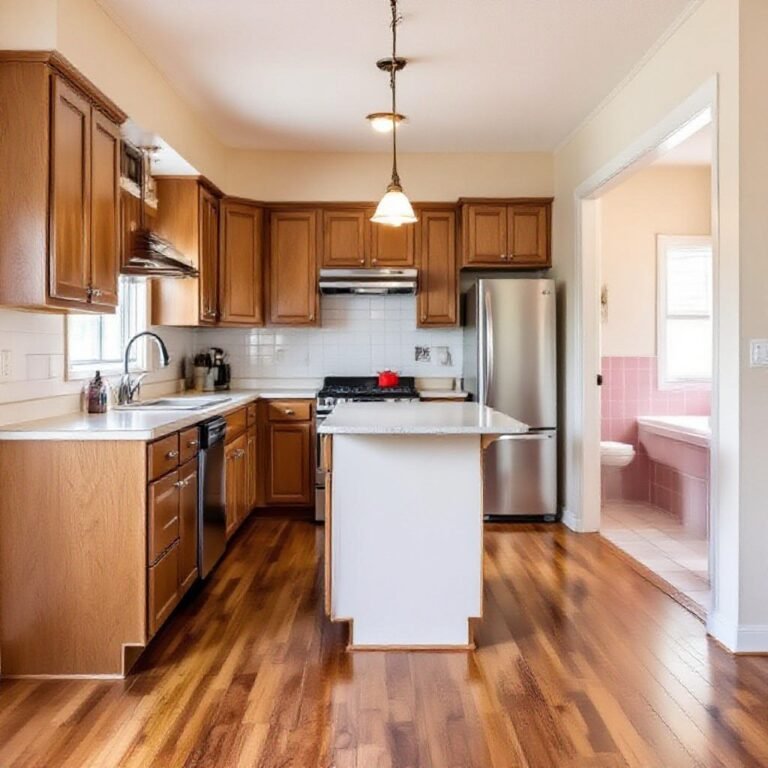
Kitchens and bathrooms deliver strong returns when you replace dated cabinets, install durable countertops, update fixtures, and improve lighting to create a polished, market-ready look.
Smart Home Technology and Energy-Efficient Features
Systems such as smart thermostats, efficient HVAC, and LED lighting help you lower bills and attract buyers who value convenience and savings.
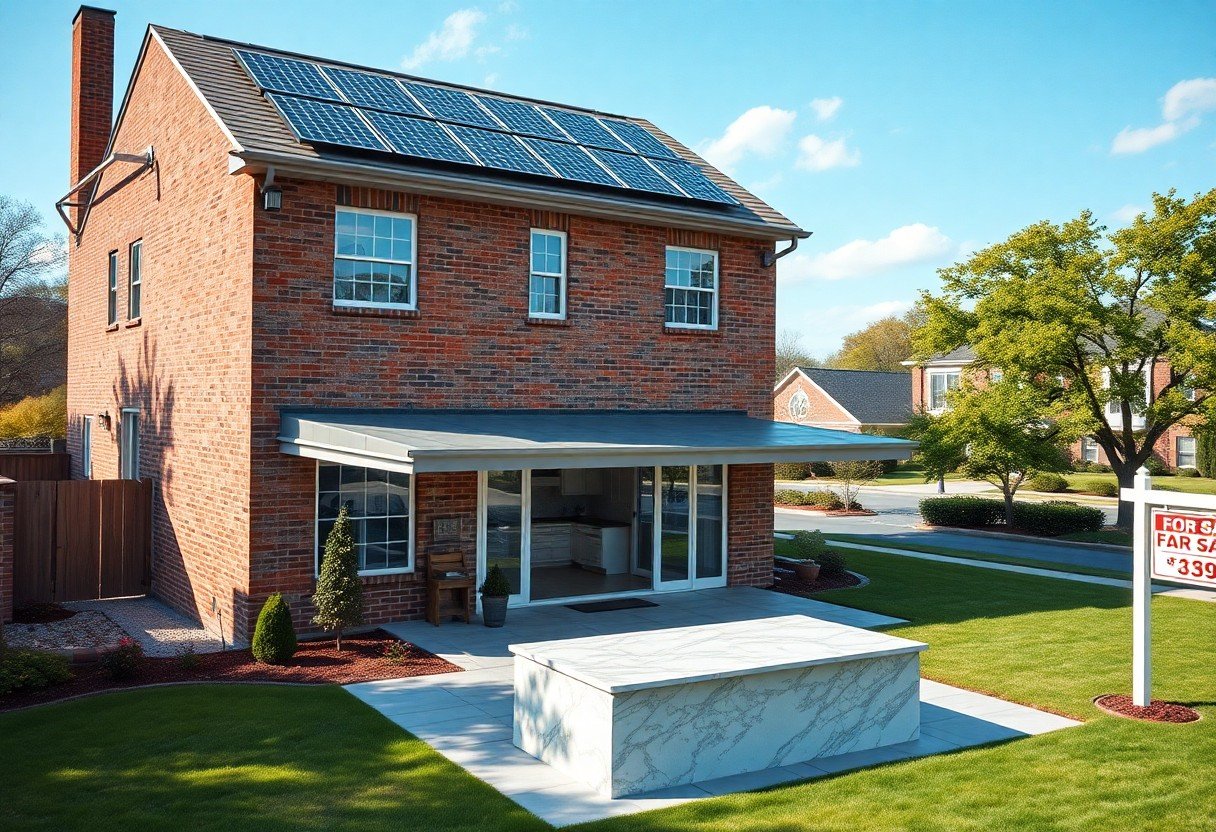
You can start with low-cost devices-smart thermostats, programmable lighting, and smart locks-to demonstrate modern convenience, then add solar panels, high-efficiency windows, or improved insulation to cut energy costs; available incentives and ENERGY STAR ratings often boost buyer confidence and resale value.
Curb Appeal and Exterior Condition
Exterior condition sets a buyer’s first impression; you should maintain fresh paint, clean gutters, a sound roof, and an inviting entry to boost perceived value and shorten market time.
Landscaping and Outdoor Living Spaces
Your yard and outdoor living areas add usable square footage; patios, lighting, defined seating, and low-maintenance planting show buyers functional expansion and reduce perceived upkeep.
Siding Quality and Architectural Appeal
Siding materials and architectural details shape perceived quality; you should choose durable finishes and styles that match neighborhood character to increase resale appeal.
Choosing siding requires balancing upfront cost, longevity, and maintenance: vinyl is low-maintenance and affordable, fiber cement resists rot and mimics wood grain, and natural wood offers premium appeal but demands upkeep. You should inspect flashing, trim, and joints regularly, consider insulated options for energy savings, and pick colors and profiles that feel authentic to the street.
Market Conditions and Economic Indicators
Market signals such as employment, wage growth and housing inventory shape how you price and time sales, so you should monitor indicators to gauge when to list or hold.
Local Supply and Demand Trends
Local shifts in jobs, new construction and migration determine buyer competition and price momentum, so you watch listings, days on market and recent sales for clear value signals.
Impact of Interest Rates and Economic Growth
Interest rate moves and GDP trends change mortgage costs and buyer confidence, which affects how aggressively you can price and sell.
You should note that a one-point rise in mortgage rates can cut buyer purchasing power significantly, shrinking the pool of qualified buyers and softening prices in marginal markets. Strong economic growth can offset higher rates by boosting wages and confidence, but effects lag and vary by neighborhood. Monitor local employment and rate forecasts; adjust timing, pricing and financing strategies to protect value.
Final Words
Conclusively you should prioritize location, structural condition, and tasteful updates, as market demand and comparable sales determine most of your home’s value; curb appeal and energy efficiency also affect offers and appraisal.
FAQ
Q: What single factor most affects a home’s value?
A: Location remains the most powerful driver of home value. Proximity to quality schools, reliable public transit, major employment centers, and retail increases demand and resale prices. Zoning, planned development, and environmental factors such as flood zones or noise corridors can raise or lower value. Walkability and neighborhood character attract specific buyer pools and can create price premiums. Long-term appreciation often ties back to location more than cosmetic upgrades.
Q: How much do property condition and renovations change value?
A: Condition and the quality of updates strongly influence appraisal results and buyer offers. New roofs, modern kitchens and bathrooms, updated electrical and HVAC systems reduce perceived risk and often deliver solid returns on investment. Unpermitted or low-quality work can reduce appraised value and slow sales. Ongoing maintenance such as foundation repair, moisture control, and pest remediation prevents value erosion and supports stable pricing.
Q: How do local market conditions and comparable sales affect price?
A: Local supply and demand set the baseline for achievable prices. Low inventory and strong buyer demand push prices up while high inventory or tighter lending standards push prices down. Recent comparable sales (comps) drive appraiser valuations and help sellers set realistic list prices. Changes in interest rates alter buyer affordability and can expand or shrink the active buyer pool quickly.
Q: How important are schools, safety, and neighborhood amenities?
A: School district quality and neighborhood safety heavily influence buyer choice and can add measurable premiums. Access to parks, transit, grocery stores, and cultural amenities increases desirability for many buyers. Commute times to major employment centers shape which buyers can consider a property and often determine acceptable price ranges. Community plans for future development or infrastructure can also shift demand and values.
Q: What role do curb appeal, lot characteristics, and energy features play?
A: Curb appeal and lot features shape first impressions and affect perceived value. Well-maintained yards, clear driveways, functional fences, and attractive facades often speed sales and support higher offers. Lot size, topography, views, privacy, and flood risk determine potential for additions, outdoor living, and development, which influence value. Energy-efficient upgrades such as insulated windows, efficient HVAC, and solar panels lower operating costs and attract cost-conscious buyers.