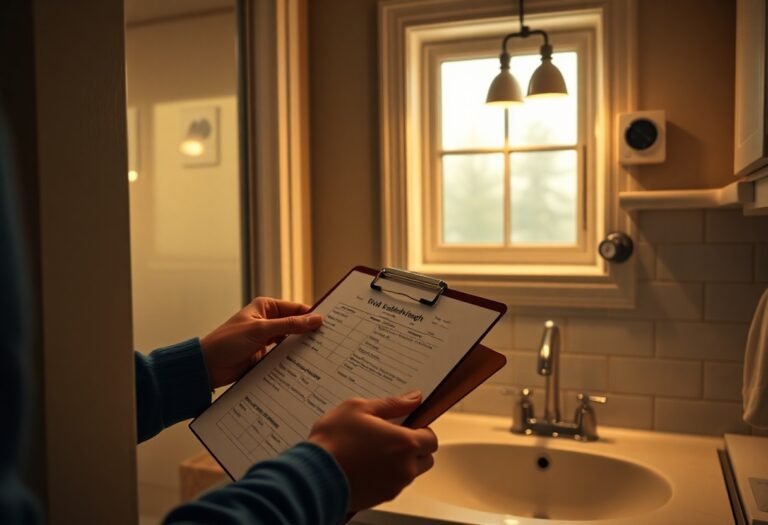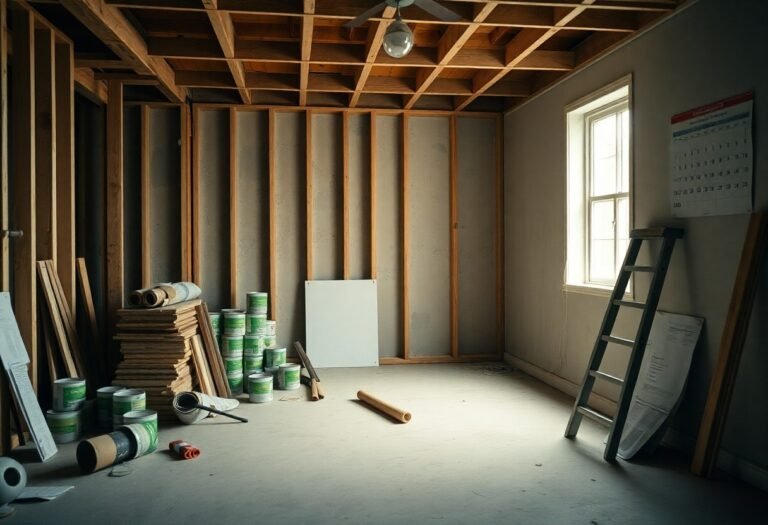
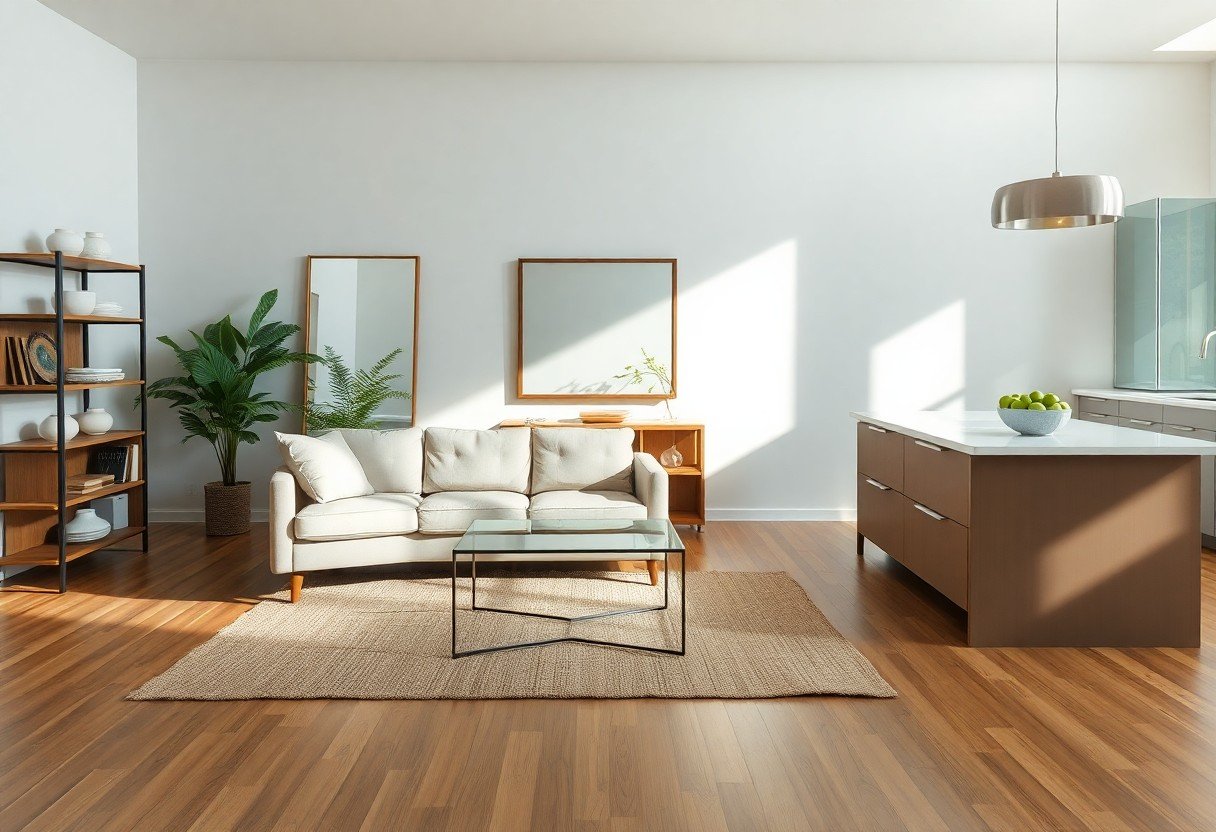
Most buyers respond when you depersonalize, declutter, and improve lighting, because you showcase space, flow and scale that drive offers.
Key Takeaways:
- Decluttering and depersonalizing opens space and helps buyers imagine living there.
- Fresh, neutral paint and minor repairs erase visible flaws and present a move-in-ready home.
- Maximizing natural light and updating fixtures makes rooms feel larger and more welcoming.
- Thoughtful furniture placement and properly scaled pieces define each room’s purpose and traffic flow.
- Simple curb-appeal fixes-tidy lawn, trimmed plantings, and a clean entry-create a compelling first impression.
Curb Appeal and First Impressions
Outside appearance sets buyer expectations; you can increase perceived value by cleaning, fresh paint, and simple accents like potted plants.
Essential Landscaping and Exterior Maintenance
You should trim hedges, mow, remove weeds, and repair siding or gutters so the exterior reads well-maintained and appealing at a glance.
The Psychological Impact of a Welcoming Entryway
Entrance staging-new welcome mat, clear sightlines, and warm lighting-helps you imagine living there and reduces buyer hesitation.
Make the doorway feel intentional by decluttering, adding layered lighting, and placing a simple seasonal accent so you trigger positive emotions and extend viewing time.
The Power of Neutralization and Decluttering
Neutralization and decluttering let you present a blank canvas, making rooms appear larger, brighter, and ready for buyers to imagine themselves.
Depersonalizing to Broaden Buyer Appeal
Removing family photos and niche collections helps you strip personal narrative so buyers can envision their own lives in the space.
Creating Visual Space Through Minimalism
Streamlined furniture and one or two focal pieces let you emphasize flow and scale, helping buyers perceive open, functional rooms.
Reduce bulky furnishings, clear sightlines between rooms, keep surfaces sparsely accessorized, and use low-profile seating so you guide traffic and showcase each room’s purpose.
Room-Specific Priorities: Focusing on Key Areas
You should stage rooms by buyer priorities: kitchens and bathrooms, then living areas, followed by bedrooms and closets. Tackle visible flaws, refresh lighting, and create clear sightlines so buyers can immediately picture living there.
Maximizing Value in the Kitchen and Bathrooms
Kitchens and bathrooms sell homes; you can update cabinet hardware, refresh grout, replace dated fixtures, and style clean countertops to highlight functionality and cleanliness.
Staging the Living Room for Comfort and Flow
Arrange furniture to create conversation zones and clear pathways so you showcase flow; add layered lighting and restrained decor to make the space feel inviting without overwhelming.
Scale seating to room size and orient it toward natural focal points so you avoid blocked sightlines; use area rugs to define zones, keep decor cohesive, and place the TV discreetly to preserve conversation and balance.
Professional vs. DIY Staging Strategies
You should match your approach to timeline, budget and target buyer: professionals transform rooms quickly for show-ready impact, while DIY lets you save money if you know which fixes sway offers.
Cost-Benefit Analysis of Professional Services
Hiring a pro speeds preparation and can raise your sale price, but you should compare service fees to typical local price uplifts and expected time on market before deciding.
Essential DIY Touches for Every Budget
Declutter high-impact areas, add fresh paint, update lighting and style surfaces so buyers can picture themselves living there without major expense.
Tackle projects in order: clear clutter and personal items first, then address paint touch-ups, replace tired fixtures, rearrange furniture for flow, and add low-cost staging-fresh towels, plants, and simple artwork-to create a cohesive, inviting look that appeals to most buyers.
Small Details with Significant Impact
Small touches shape perception; you should prioritize fresh paint, balanced lighting, and tidy decor to help buyers connect emotionally-see Why Staging Matters, Even in a Seller’s Market.
Sensory Staging: Scent and Temperature Control
Control scent and temperature to keep visitors at ease; you can use subtle diffusers and set the thermostat to a comfortable range so tours feel welcoming.
Sensory Checklist
| Aspect | Action |
|---|---|
| Scent | Use light citrus or neutral diffusers |
| Temperature | Set 68-72°F for general comfort |
Strategic Furniture Placement to Define Function
Arrange pieces to show each room’s purpose; you should create clear pathways, group seating, and highlight focal areas so buyers understand use at a glance.
Carefully assess scale and sightlines: place sofas to face focal points, allow 30-36 inches for walkways, and anchor zones with rugs and lighting so buyers can mentally map daily routines.
Final Words
With these considerations you should focus on decluttering, improving light, using neutral decor, and arranging furniture to showcase space and flow; small repairs and curb appeal typically deliver the best return, so choose changes that make rooms appear larger, brighter, and move-in ready for buyers.
FAQ
Q: Which staging changes make the biggest difference to buyers?
A: Decluttering and deep cleaning create immediate perception of space and care, helping buyers picture themselves living there. Neutral paint on walls and trim brightens rooms and reduces visual distractions. Proper lighting, including layered ambient and task lights plus higher-wattage bulbs, makes photos and walkthroughs feel open and inviting. Strategic furniture arrangement defines room function and traffic flow so small spaces read larger. Curb appeal improvements such as trimmed landscaping, a fresh front door paint, and clean entryway set positive first impressions that influence buyer interest.
Q: What low-cost updates yield the highest return?
A: Fresh neutral paint, high-impact but inexpensive, refreshes rooms for a modest outlay. Replacing dated cabinet hardware and light fixtures modernizes kitchens and bathrooms without a full remodel. Thorough cleaning of carpets, grout, and windows lifts perceived value. Decluttering, removing personal items, and staging with a few key textiles or art pieces improves photography and showings at minimal cost. Basic landscaping like mulch, potted plants, and a swept walkway increases appeal for little expense.
Q: How should I prioritize staging when my budget is tight?
A: Focus first on entry, living room, and primary bedroom; buyers form opinions quickly and these spaces weigh most heavily. Next prioritize kitchen and bathrooms with cleaning, new towels, clear counters, and updated hardware. Address obvious defects such as broken fixtures, peeling paint, or burned-out lights to avoid distracting buyers. Invest in professional photos after staging improvements so online listings reflect your best presentation.
Q: Is full furniture rental necessary, or can I DIY staging?
A: Empty homes benefit most from rented furniture because buyers struggle to interpret scale and purpose in vacant rooms. Homes already furnished often need only selective edits: remove excess pieces, replace worn textiles, and add targeted decor vignettes. Virtual staging can be a cost-effective photo-only option but does not help physical showings. Choose full rental for vacant or high-end listings, and DIY edits for occupied homes where small improvements will suffice.
Q: Which staging changes show up best in listing photos and drive more inquiries?
A: Bright, evenly lit rooms photograph better and attract clicks, so use natural light and supplemental lamps. Clean, uncluttered surfaces and neutral backgrounds let architectural features and room size stand out. Defined focal points-stylized entry table, kitchen island with simple styling, an inviting bed setup-create emotional responses that translate to more inquiries. Exterior shots with tidy landscaping, a clear front walkway, and a welcoming front door generate stronger first impressions online.