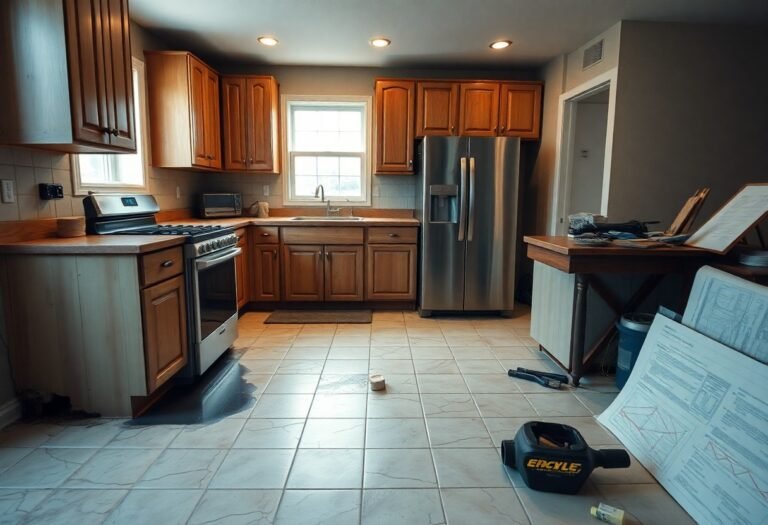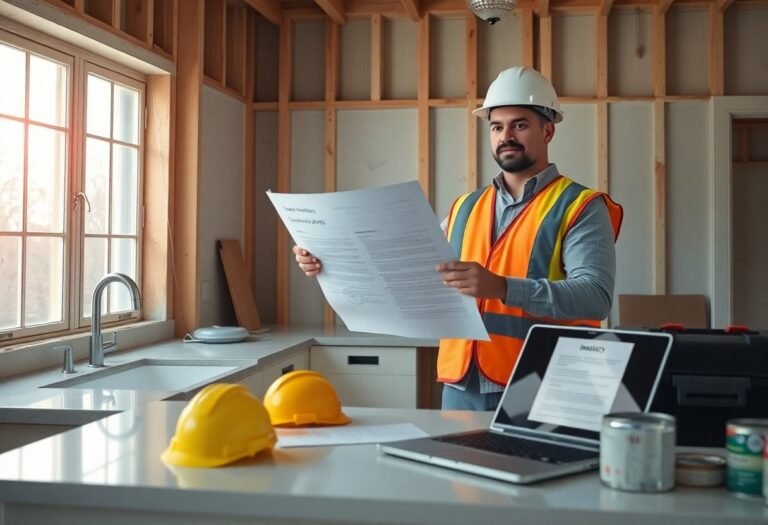
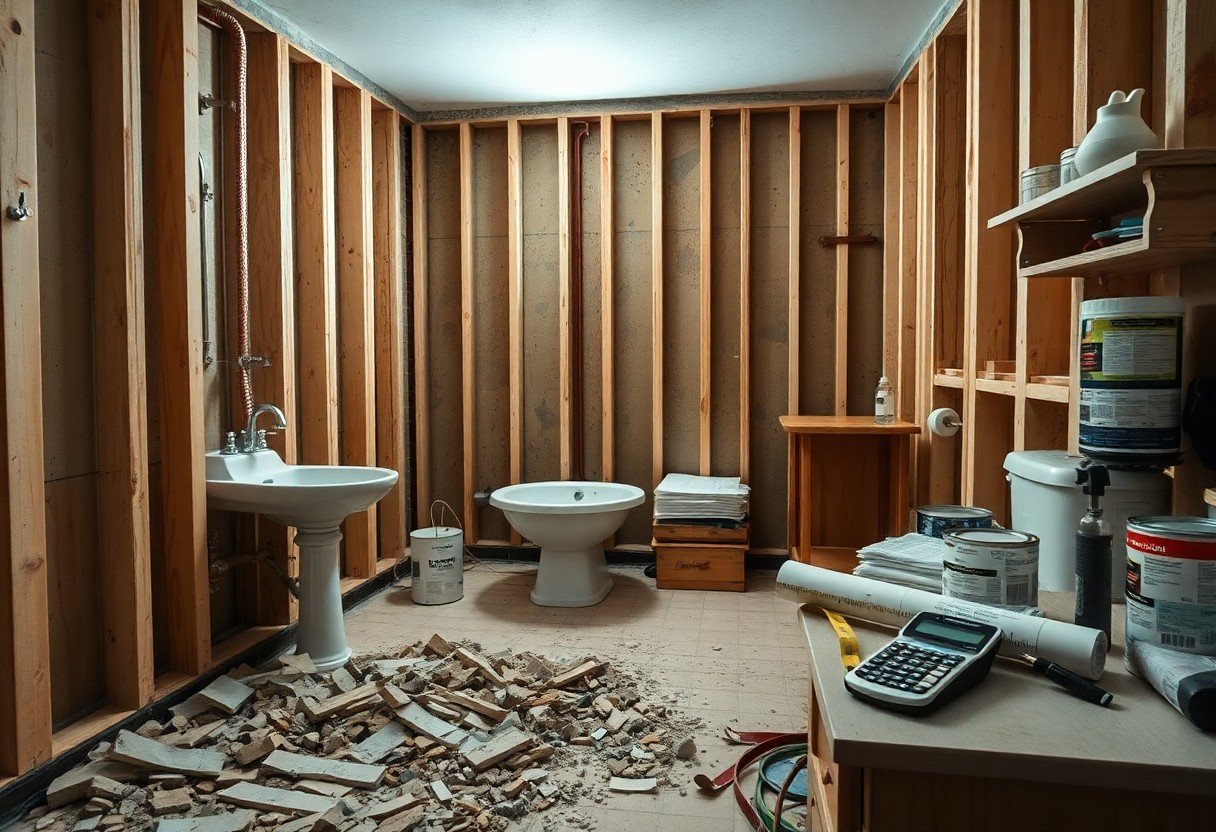
Just when you expect a straightforward update, hidden water damage, permit delays, and mid-project design changes make costs soar; you can limit overruns by allocating a realistic contingency, vetting contractors, and prioritizing must-haves.
Key Takeaways:
- Poor planning and vague scopes lead contractors to add tasks and costs once work begins.
- Hidden structural, plumbing, or electrical problems discovered during demolition increase labor and material expenses.
- Scope creep from mid-project design changes or upgraded finishes drives up both timeline and budget.
- Unrealistic initial budgets or lowball estimates fail to account for permits, inspections, and contingencies.
- Poor contractor communication, inaccurate quotes, and unclear payment terms create disputes and extra charges.
Hidden Infrastructure and Structural Damage
Walls often conceal deteriorated framing or termite damage that forces you to replace structural members, add reinforcement, and extend the project timeline-driving unplanned costs.
Undetected Water Damage and Mold Remediation
Moisture behind tiles or beneath subfloors prompts mold testing and demolition; you may need full remediation, drying systems, and material replacement, which quickly inflates the budget.
Outdated Plumbing and Electrical Systems
Aging pipes and old wiring frequently require complete replacement, so you must plan for upgraded materials, permit fees, and licensed technicians that add time and expense.
Upgrades to plumbing often mean replacing galvanized or cast-iron lines with PEX or copper, rerouting drains, and installing new shutoffs; electrical work can require panel upgrades, AFCI/GFCI circuits, and moving fixtures. You should budget for permit inspections, unexpected obstructions, and higher labor rates when licensed plumbers and electricians are needed.
Material Selection and Market Volatility
Market choices and sudden price swings force you to re-evaluate selections mid-project, inflating budgets when preferred tiles or fixtures become scarce. Read community insights at Why do bathroom remodels cost $10000? to see common cost surprises others faced.
Premium Fixtures vs. Builder-Grade Alternatives
You may prefer premium fixtures for durability and style, but upgrading faucets, tubs, or vanities can multiply costs compared with builder-grade options, and labor for high-end installs often increases your total.
Fluctuating Costs of Raw Materials and Shipping
Supply disruptions and rising freight fees mean the price you budget today can shift before delivery, forcing substitutions or rush orders that spike expenses.
Global supply chains, tariff shifts, fuel and labor shortages, and seasonal demand spikes drive raw-material and shipping price swings; when ceramic tile, porcelain, lumber, or plumbing parts face longer lead times, you often pay premium for expedited transport or local substitutes. To control cost overruns, you should lock quotes, order critical items early, keep a 10-20% contingency, and choose materials with comparable aesthetics that are more readily available.
Skilled Labor and Specialized Trades
Skilled trades drive costs because you pay higher hourly rates and expect precision; licensing, insurance, and warranty obligations increase contractor overhead, which you ultimately fund.
The Premium on Licensed Trade Professionals
Licensed professionals charge premium rates because their certifications, continuing education, and insurance reduce your risk and guarantee compliance with code.
Managing Multi-Trade Coordination Timelines
Scheduling multiple trades means delays stack when one task runs late, so you should expect buffer days and clear sequencing to avoid idle crews and rushed finishes.
Communication across trades keeps you informed; set milestone inspections, shared calendars, and a single point of responsibility so you can catch overlaps and prevent costly rework.
Regulatory Compliance and Permit Fees
Permits and compliance fees can add unexpected thousands to your estimate when code upgrades, specialized inspections, or plan revisions are required. You’ll face variable local fees, longer timelines, and contractor markup for permit handling that stretch budgets beyond initial quotes.
Navigating Local Building Code Requirements
Local building codes vary block by block, forcing you to revise designs, upgrade materials, or hire specialists to meet specific plumbing, electrical, or ventilation standards.
Unforeseen Costs of Mandatory Inspections
Inspections often uncover hidden work-failed rough-ins, asbestos, or shoddy framing-that obliges you to fund repairs, retests, and additional inspection fees, inflating timelines and costs.
You should budget for retests, administrative re-submissions, and consultant reports since inspectors may require corrections to meet code, resulting in extra labor, materials, and permit amendments. Rare discoveries like hidden mold, improper waterproofing, or legacy wiring can multiply expenses quickly, so include a contingency and specify inspection responsibilities in contracts.
Scope Creep and Change Orders
Scope creep blows budgets when you add tasks mid-project, triggering change orders, extra trades, and schedule delays that compound costs.
The “While We Are At It” Phenomenon
You often say “while we’re at it” and prompt small upgrades that require demolition, new fixtures, or permits, each producing unexpected charges and time.
Impact of Mid-Project Design Decisions
Changing finishes or layouts mid-build forces reorders, wastes materials, and causes rework that you pay for through higher invoices and extended timelines.
Decisions made on the fly often miss full cost appraisal; when you swap tiles, upgrade plumbing, or alter layouts, contractors must revisit plans, reorder materials, and reshuffle subcontractor schedules. Those ripple effects create formal change orders, idle crews, and rush fees, so a small design whim can multiply into a large overrun you didn’t budget for.
Final Words
So you should expect hidden issues, scope creep, and design changes to push costs up; poor estimates and contractor delays add surprises, so build a contingency, set firm priorities, and get clear contracts to keep your bathroom remodel on budget.
FAQ
Q: Why do hidden structural or plumbing problems cause bathroom remodel budgets to blow up?
A: Hidden water damage, rotten subfloor, corroded drain lines, or mold are often revealed only after demolition, and these repairs can add thousands to the bill. Localized patching might run $500-$1,500, full subfloor replacement or joist repair can be $2,000-$8,000, and extensive mold or structural remediation can exceed $10,000. Contractors must stop finish work to complete repairs, which increases labor and scheduling costs and can trigger additional inspections or permit upgrades.
Q: How does scope creep or mid-project design changes inflate costs?
A: Homeowners commonly decide to change tile, move a fixture, or add features after work has started, and each change requires new materials, extra labor, and sometimes rework of completed work. Small changes often add 10-25% to the original contract, while moving plumbing or walls can double that increase. Clear, written change orders and firm decisions before demolition reduce unexpected expenses.
Q: In what ways do material selections and specialty finishes drive up the budget?
A: High-end tile, stone slabs, custom cabinetry, and designer fixtures carry steep price ranges and longer lead times that can raise both materials and installation costs. Standard tile may cost $2-$6 per sq ft installed, premium porcelain or natural stone can exceed $20-$60 per sq ft plus skilled labor. Custom or backordered items can force schedule changes and require interim solutions that add handling and storage fees.
Q: Why do contractor estimates and labor issues lead to overruns?
A: Some contractors provide low initial bids to win work and then submit change orders when they encounter realistic conditions, which increases the final cost. Unanticipated complications, longer cure times for substrates, or subcontractor delays raise labor hours and may incur overtime or idle-time charges. Written, itemized estimates and asking for references and proof of licensing and insurance reduce the risk of surprise charges.
Q: How do permits, inspections, and scheduling delays affect the final cost?
A: Required permits and code upgrades add direct fees and can force design changes if existing work is noncompliant, which increases both material and labor costs. Failed inspections often require costly rework and re-inspection fees, and prolonged timelines increase project management costs, temporary accommodations, or additional contractor overhead. Budgeting a contingency of 15-25% for permits, compliance fixes, and delays helps absorb these common overruns.