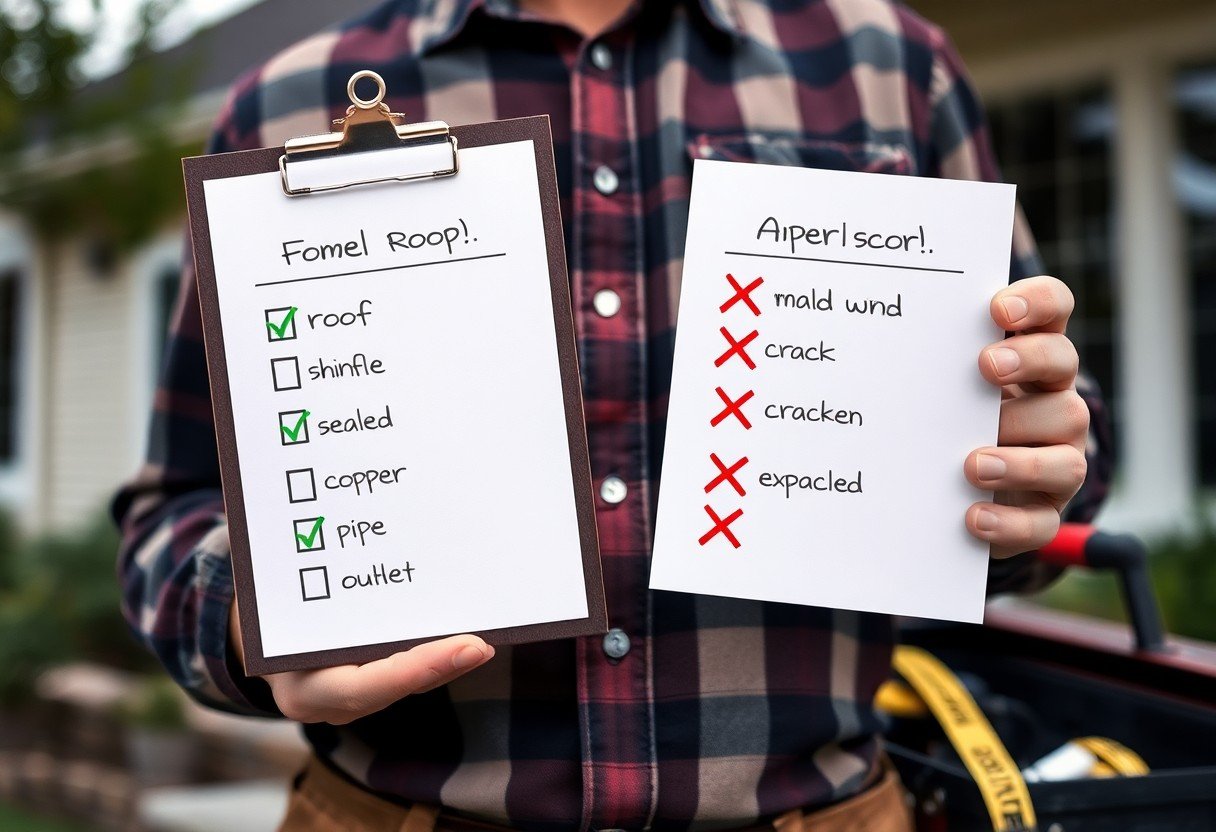
With an inspection report in hand, you must fix safety hazards, structural defects, and code violations, and refuse nonimportant cosmetic items or seller-requested upgrades; prioritize items that affect habitability, resale, or legal compliance.
Key Takeaways:
- Safety hazards and code violations: require immediate repairs for gas leaks, exposed wiring, major mold, and structural failures; refuse a purchase if the seller will not address life-safety issues.
- Major systems and structural problems: request professional repairs or a financial credit for foundation, roof, HVAC, or plumbing failures; consider walking away if repairs are extensive and the seller refuses reasonable remedies.
- Licensed-specialist work only: insist on repairs performed by qualified contractors for electrical, plumbing, and structural fixes; refuse amateur or temporary patch jobs for complex systems.
- Cosmetic and minor maintenance: accept small issues such as paint touch-ups, minor trim, or caulking as buyer responsibilities or negotiate a modest credit rather than demanding full repairs.
- Use the inspection contingency strategically: prioritize items, obtain contractor estimates, request specific repairs or credits in writing, and refuse unreasonable or unsupported repair demands that exceed contract terms or market norms.
The Inspection Framework: Categorizing Findings
You should sort inspection findings into safety, structural, systems, and cosmetic categories so you can prioritize repairs, negotiate credits, or walk away when risks exceed your acceptable limits.
Distinguishing Structural Defects from Cosmetic Issues
Begin by identifying load-bearing failures, foundation movement, and pervasive water intrusion, since you must treat those as repair or refusal items while surface cracks and paint remain cosmetic.
Understanding Seller Disclosure Obligations
Check local disclosure laws to see what sellers must reveal; you can cite omissions for negotiation or pursue legal recourse if undisclosed defects surface after closing.
Ask for written disclosures, repair receipts, and prior inspection reports so you can cross-check claims, demand repairs or credits for undisclosed hazards, and consult an attorney when statutory protections apply.
Mandatory Safety and Structural Repairs
You must prioritize mandatory safety and structural repairs like gas leaks, broken supports, or severe water damage; these often require permits and licensed trades. See A 2023 Guide To Mandatory Fixes After A Home Inspection for common legal obligations and next steps.
Resolving Foundation, Roofing, and Load-Bearing Failures
Structural issues like foundation settlement, roof failure, or compromised load-bearing walls threaten occupancy; you should insist on engineered repairs and permit-backed work to avoid collapse and future liability.
Addressing Hazardous Electrical and Fire Safety Risks
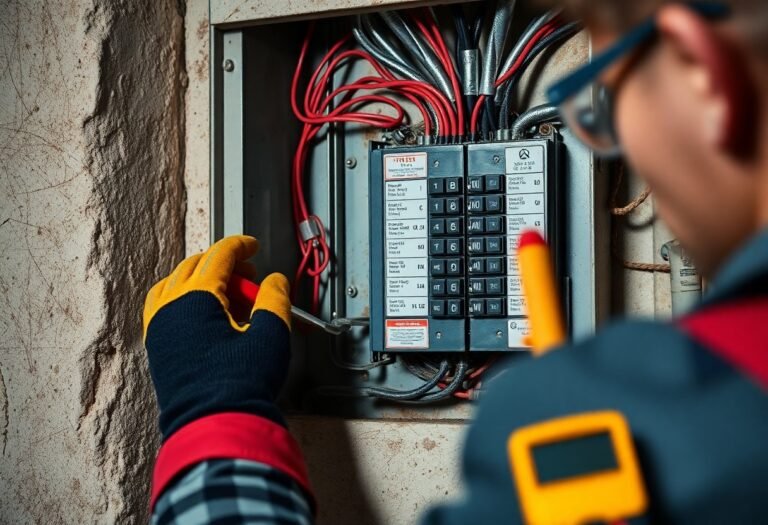
Electrical hazards-overloaded panels, aluminum wiring, missing ground-create immediate fire risk; you must demand licensed electricians replace or rewire unsafe systems before closing.
If you encounter DIY wiring, charred outlets, or missing detectors, document the issues, refuse occupancy until corrected, and require licensed electricians to provide permits and inspection reports validating repairs.
Critical System and Environmental Hazards
You should prioritize hazards that threaten safety or system failure-electrical faults, gas leaks, structural water intrusion-and insist on licensed repairs or refuse the transaction until certified remediation and documentation are provided.
Evaluating HVAC, Plumbing, and Sewer Line Integrity
Check your HVAC, plumbing, and sewer lines for leaks, frequent backups, poor pressure, or inconsistent heating/cooling; request camera inspections, maintenance records, and warranty transfers before approving repairs or accepting the property.
Mitigating Mold, Radon, and Asbestos Concerns
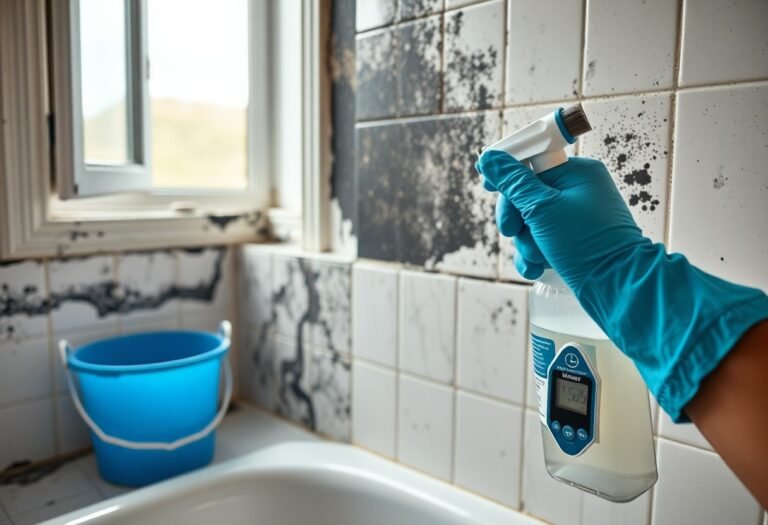
Address visible mold, elevated radon readings over 4 pCi/L, or confirmed asbestos that can release fibers; require professional testing and mitigation, and consider refusing sale if airborne hazards remain uncontrolled.
Require specific testing: air and surface mold assays, long-term radon detectors, and asbestos bulk sampling. You should insist on licensed abatement for asbestos removal or encapsulation, post-remediation clearance testing for mold, and installation of radon mitigation systems when levels exceed 4 pCi/L; retain written reports, contractor credentials, and warranty documentation before closing.
Inspection Items Sellers Should Generally Refuse
You should refuse buyer demands that exceed contractual obligations or ask for luxury upgrades; focus on safety, code compliance, and agreed repairs. Push back on open-ended requests that shift typical maintenance costs onto you during sale.
Denying Requests for Cosmetic and Aesthetic Upgrades
Cosmetic requests like new paint, finishes, or landscaping are discretionary; you should decline unless the buyer offers to pay or it’s written into the contract. Prioritize repairs that affect habitability over visual preferences.
Handling Minor Maintenance and Normal Wear and Tear
Minor maintenance and normal wear-such as caulking, touch-up paint, or carpet stains-are typically the buyer’s responsibility; you should refuse routine fixes while agreeing to address safety or major code issues.
Document all preexisting minor issues in the inspection report, offer credits only for verifiable larger defects, and suggest the buyer handle cosmetic items post-closing. You can limit concessions to safety, code compliance, and agreed-upon repairs to avoid open-ended obligations.
Navigating Building Codes and Aging Components
Local codes often allow older installations to remain, but you must evaluate whether aging components still meet safety intent or present hidden hazards that demand repair or replacement.
The Reality of Grandfathered Code Compliance
Grandfathered equipment can be legally compliant, yet you should require fixes when conditions create clear safety risks, insurance exposure, or obstruct occupancy and resale.
Differentiating End-of-Life Systems from Active Failures
Distinguishing end-of-life systems from active failures helps you prioritize immediate repairs versus planned upgrades based on safety, function, and cost.
Inspection should focus on failure signs-repeated breakdowns, inefficient operation, corrosion, leaks, or compromised fire protection-that indicate replacement rather than repair, and you should consult performance tests and a licensed contractor to weigh short-term fixes against lifecycle cost and liability.
Final Words
The best approach is to require repairs for safety and code violations, and for items that affect habitability or resale. You should refuse deals when you find major structural failures, ongoing water intrusion, widespread mold, or unsafe electrical systems that the seller will not remediate.

FAQ
Q: How do I decide which inspection items must be fixed before closing?
A: Use safety, structural integrity, code compliance, and major system failures as the primary criteria for required repairs. Get the home inspector to classify defects into safety, major, minor, or cosmetic categories and ask for clarification on items that sound ambiguous. Obtain written repair estimates from licensed contractors for any item that could affect habitability, resale value, or loan approval. Require permits and final inspection approvals for work that typically needs municipal sign-off, such as electrical panels, gas lines, and structural repairs. Put agreed repairs and deadlines into the purchase contract or repair addendum and keep all invoices and inspection approvals in the closing documents.
Q: Which inspection items are reasonable to refuse to fix or to leave for the buyer to handle after closing?
A: Cosmetic issues like paint touch-ups, minor nail pops, scratched flooring, and small trim defects are commonly left for the buyer to address. Routine maintenance items such as gutter cleaning, HVAC filters, and minor caulking usually fall to the new owner unless they indicate deeper problems. Aging components that are functioning but near the end of expected life can be accepted with a price concession rather than mandatory seller repair. If a lender or insurer requires specific fixes, those must be handled regardless of cosmetic status. Ask for a credit or price reduction if you choose to take on noncritical repairs yourself.
Q: What inspection findings should prompt an immediate refusal or walking away if not corrected?
A: Active water intrusion in basements, roofs that are failing across large areas, and significant foundation movement or large structural cracks are reasons to halt the transaction until corrected. Exposed or unsafe electrical systems, open neutral or hot grounds, and evidence of knob-and-tube or severely overloaded panels create fire risk and justify a refusal. Any confirmed gas leak, missing or nonfunctional carbon monoxide detectors when required, or widespread active pest or termite infestation that compromises structure should be remediated before closing. Sewage backups, failed septic systems, or systems that pose health hazards demand repair or replacement prior to settlement.
Q: How should I document and formally request repairs after the inspection?
A: Prepare a written repair request that references the specific inspection report sections and includes photos of the defects. Attach contractor estimates or require the seller to obtain licensed contractor bids when costs are uncertain or high. Specify the scope of work, materials, permit requirements, and a completion deadline in the repair addendum. Include options for escrow holdbacks, seller-paid credits, or price reductions when scheduling or seller access is a concern. Get final sign-offs or municipal inspection certificates for permitted work and verify completion with a re-inspection if necessary.
Q: When is accepting a seller credit better than insisting on repairs?
A: Accept a seller credit when the repair is small, easy to manage after closing, or when you prefer to select your own contractor and materials. Choose credits if the seller cannot schedule licensed work before closing but will compensate you so you can complete the work later. Use credits when repair cost estimates vary widely and you want control over the scope and quality of the work. Require a credit amount based on contractor estimates and consider escrow holdbacks for larger items to ensure funds remain available until the issue is resolved. Verify that credits satisfy lender and insurance requirements before finalizing the agreement.