Key Takeaways:
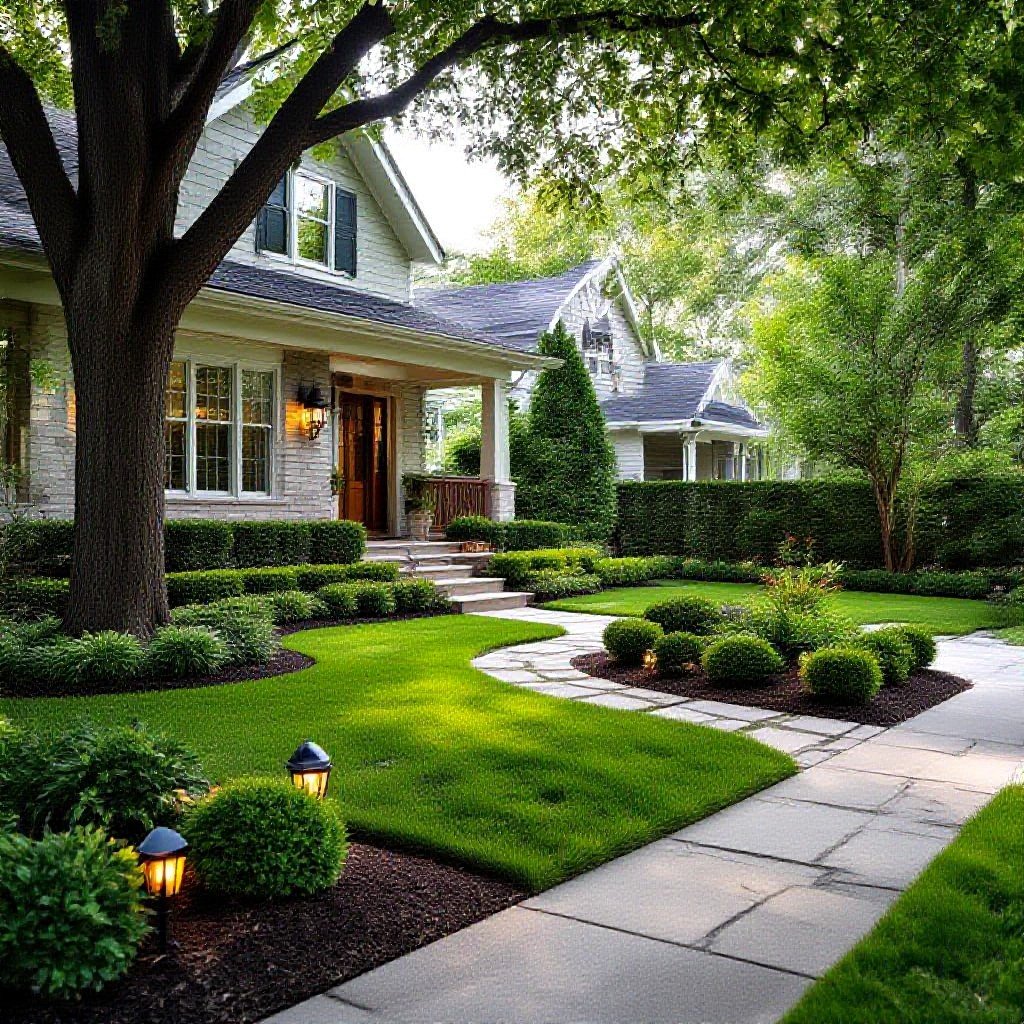
- Good curb appeal can boost appraised value more than you think. Small fixes like fresh mulch, trimmed hedges, repaired walkways and a neat lawn create a strong first impression; appraisers note that right away.
- Functional irrigation, proper grading and solid drainage protect the house and get noticed during appraisal. Soggy yards or erosion lower scores, so fixing those problems pays off fast.
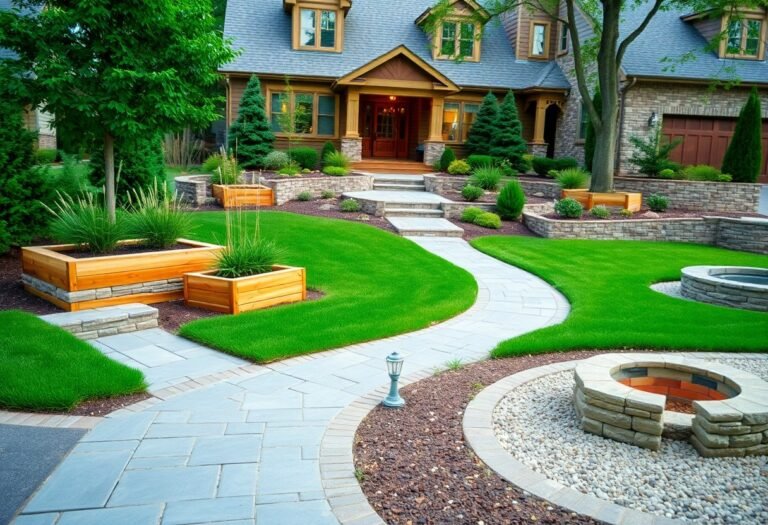
- Outdoor living spaces – patios, decks, pergolas, stone walkways – add usable square footage buyers actually use. Well-built, low-maintenance hard surfaces generally give better return than expensive exotic plants.
- Mature trees and thoughtful plantings add shade, privacy and curb appeal.
They often increase resale value, especially in neighborhoods where trees are common. - Water-smart planting and good exterior lighting cut perceived upkeep and extend usable hours. Native plants, drip irrigation and LED fixtures save money and make the property look cared for.
Honestly, trees are like a savings account for your yard
Like a savings account, trees add long-term value – you plant them, they mature, and appraisers notice shade, curb appeal and lower energy bills. You won’t get instant returns, but over years they often push up appraised value and make your place feel established.
Picking the right spots for a bit of shade
While a random tree can cause problems, you should place shade where it cools west and south-facing windows, trims cooling costs and frames sightlines. You want balance – not too close to foundations or power lines, think resale and comfort when you pick spots.
Why you shouldn’t ignore tree health and pruning
Unlike neglected trees, regularly pruned specimens stay safe, attractive and appraisal-friendly; you should remove dead limbs, thin crowded crowns and keep clearance from structures. Buyers notice neat, healthy trees, so small upkeep now avoids big headaches later.
Compared to waiting until a storm or rot forces action, proactive tree care saves money and preserves value. If you catch pests or disease early, you avoid hazardous removals and root troubles that scare buyers – and it’s cheaper. Got a big specimen? Hire a pro for structural pruning, mulching and feeding, you’ll dodge future surprises and protect what buyers actually pay for.
The real deal about adding an outdoor living space
Want to know if an outdoor living space will really boost your appraisal? If you focus on usable square footage, good access, and solid finishes, appraisers often see it as added living area – but sloppy DIY or poor drainage can wipe out gains.
Decks vs. patios: what’s the better bet?
Which should you pick – a deck or a patio for resale? If you want low maintenance and permanence go patio; if you need elevation or a view, decks win. Price, local tastes and build quality drive how appraisers treat either option.
Making it feel like a whole extra room for the house
Could you turn a porch into perceived living space and add value? Add weatherproof flooring, lighting, heating and clear flow from indoors so appraisers count it more like functional square footage, not just a nice view spot.
You want specifics – what actually convinces an appraiser that an outdoor area reads as extra living space? Start with permanent elements: durable flooring, a solid roof or cover, insulated walls or screens, and heating or ceiling fans so it’s usable most months. Make access simple – a wide door and level threshold – and mirror interior finishes so it feels like part of the house. Storage, good lighting and weatherproof outlets show regular use. Appraisers want measurable function, so show them and they’ll often adjust value upward.
Why I think outdoor lighting is a total game changer
Like flipping a switch, outdoor lighting instantly upgrades curb appeal and perceived safety, so you make the whole place look finished, cared-for and modern; appraisers notice a polished exterior and that can push value upward.
Keeping things safe and secure after dark
Compared to an unlit yard, well-placed fixtures cut trip hazards and deter prowlers, and you get clearer sightlines for cameras and paths, so your property reads as safer on inspections-appraisers tend to reward that peace of mind.
Setting the mood without trying way too hard
As with a playlist, low-watt, warm lights set tone without shouting; you create cozy nooks and highlight features, guests stick around longer and the space feels intentional-small, tasteful choices do a lot of the heavy lifting.
Imagine a candlelit bistro versus a fluorescent cafeteria; the first shows how warm, layered lighting changes everything. You can mix path lights, subtle uplights, string bulbs and step lights, pick 2700-3000K LEDs, add dimmers and smart scenes so evenings feel effortless. Think maintenance-sealed fixtures, low-voltage or solar options, bulb swaps on a schedule-and aim lights to avoid glare on neighbors. Want a pro? Fine, but you can DIY basics and still get big payoff; well-lit night photos and a lived-in look often make appraisers and buyers take notice.
What’s actually dragging down your home’s value?
Bad curb appeal can shave thousands off your home’s value – let weeds, dead plants and cracked paths pile up and appraisers will mark condition down; think a few dandelions don’t matter? They do when comps are tight and buyers see neglect.
Avoiding the “too much” trap with wacky designs
Too many quirky features, like neon art or giant sculptures, shrink your buyer pool and make appraisers squint; you want personality, sure, but not stuff that’ll scream “hard sell” at open houses, so stick to reversible accents.
Why neglecting the basics is a big no-no for appraisers
If you ignore grading, clogged gutters or rotted steps, appraisers will ding the condition rating and lower comparables; basic upkeep shows the home was cared for, and that can mean thousands less off the final value.
You can get big mileage from small fixes: mow, edge, prune, replace warped boards, clear gutters, fix irrigation and level soggy spots – those are the things appraisers actually note, not your pricey art installation. Got receipts and photos? Bring ’em, it’ll help your case.
A tidy, well-drained yard says you cared for the whole property.
That single impression often stops a low-condition adjustment in its tracks.
To wrap up
To wrap up, 70% of buyers say curb appeal affects offers, so you should focus on tidy lawns, native plantings, hardscape accents, and smart lighting to boost appraisal value – small upgrades often yield big returns and make your property feel cared for, which appraisers notice and buyers pay for.
FAQ
Q: Which yard improvements most raise appraisal value?
A: Myth: people think a complete overhaul or exotic plants is what lifts an appraisal the most. Quick wins often beat big, trendy projects – curb appeal, neat planting beds, a tidy lawn, and a clear front walkway make a huge first impression.
Curb appeal sells.
A well-kept front yard, fresh mulch, trimmed hedges, and clean hard surfaces usually give the best return because appraisers and buyers see them right away. Add a few mature trees or a welcoming porch light and you’ll notice more interest – small dollars, visible results.
Q: Do fancy water features or sculptures add appraisal value?
A: Common thought: if you spend a lot on a water feature it must boost value. Actually, ornate features can be a turnoff if they’re expensive to maintain or don’t match the home’s style – buyers hate high upkeep.
Don’t overdo the bells and whistles.
Simple, low-maintenance elements like a modest fountain or a curated rock bed impress without scaring off buyers. If a feature needs permits, constant repairs, or draws mosquitoes it can hurt rather than help.
Q: How much do trees and plantings affect appraised value?
A: Misconception: the bigger and more planted your yard, the more value you get. Mature, healthy trees usually add value by providing shade, privacy, and curb appeal, but giant roots near foundations or messy species can be costly.
Right-placed trees increase resale appeal.
Choose long-lived, low-maintenance species and place them so they enhance views, reduce energy bills, and don’t threaten structures or utilities. Groupings that create outdoor rooms look intentional and desirable.
Q: Will irrigation systems and regular lawn care actually boost appraisal value?
A: Some people say irrigation is just an extra bill and won’t change appraised price. A functioning irrigation system and consistent lawn care show the property is well-maintained and that matters to appraisers and buyers – they want a move-in ready yard, not a project.
Healthy turf and smart watering get noticed.
In dry climates, swapping thirsty grass for drought-tolerant plants or drip systems often scores better with buyers and cuts utility costs, which is a selling point during appraisal.
Q: Do patios, decks, driveways, and other hardscapes raise the appraisal much?
A: Belief: a new deck or stone patio will automatically boost your appraised value by the project cost. Quality outdoor living spaces do add value when they match the home, are permitted, and use good materials, but cheap or poorly built versions can lower perceived value.
Quality hardscaping yields good ROI when it fits the house.
Think functionality – usable patios, safe railings, durable driveway resurfacing, and integrated lighting. Outdoor kitchens or big custom builds only make sense if they suit the property and neighborhood, otherwise stick to tasteful, durable upgrades.