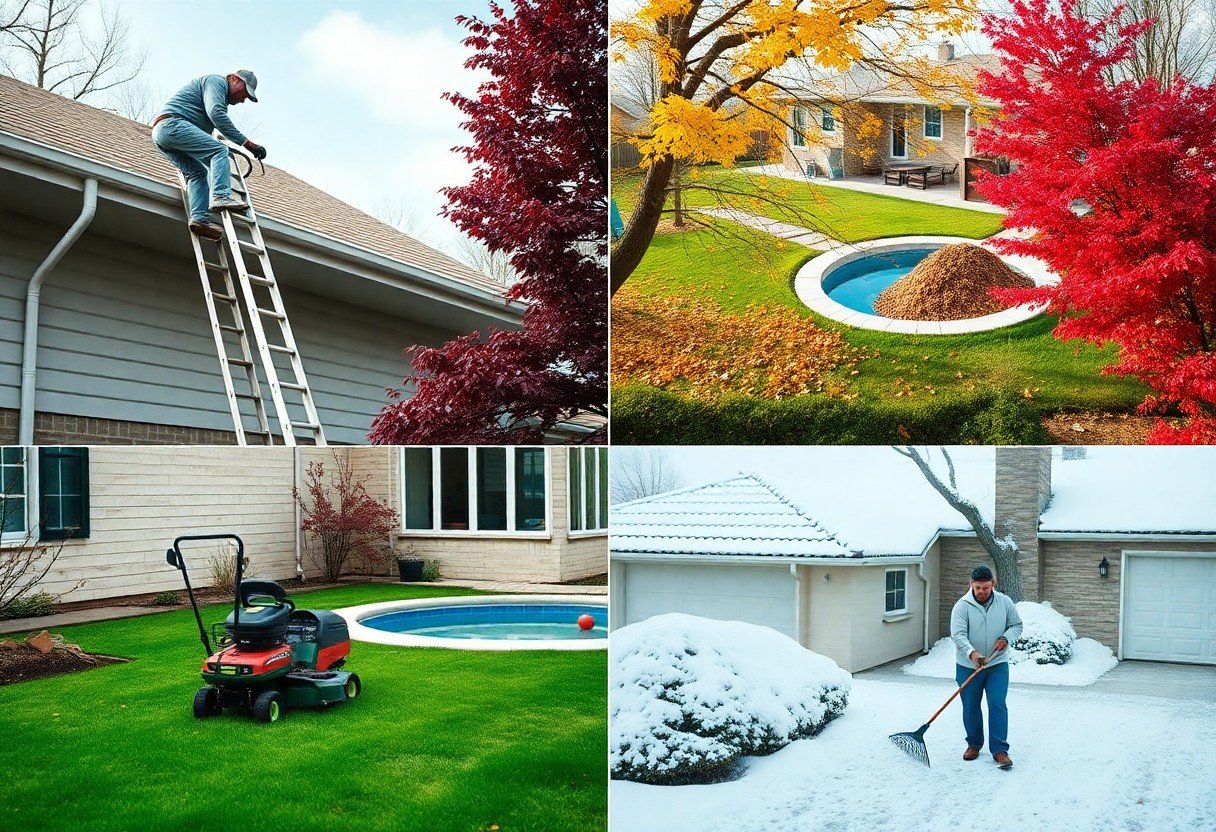
You should inspect HVAC filters, clear gutters, test smoke alarms, service heating and cooling systems, seal drafts, and maintain landscaping to prevent damage and save energy throughout the year.
Key Takeaways:
- Spring: Inspect roof and gutters for winter damage, clear debris, check exterior for cracks, and tune the air conditioning system.
- Summer: Trim trees and shrubs away from the house, repair siding or paint as needed, and inspect irrigation systems for leaks.
- Fall: Clean gutters and downspouts, seal gaps and weatherstrip doors and windows, and schedule heating system maintenance and filter changes.
- Winter: Insulate exposed pipes, maintain proper indoor humidity, keep walkways clear of ice and snow, and test smoke and carbon monoxide detectors.
- Year-round: Replace HVAC filters regularly, check for leaks or mold, monitor pest signs, and test safety alarms monthly.
Spring: Rejuvenating the Exterior and Landscaping
You should refresh exterior finishes, wash siding and windows, and repair trim and paint chips to prevent moisture damage; clear walkways and check vents so the home looks cared for and functions well.
Gutter Clearance and Roof Integrity Inspection
Inspect gutters and downspouts for debris, flush with water, and reseal joints; examine shingles, flashing, and eaves for damage to avoid leaks during spring storms.
HVAC System Calibration and Filter Replacement
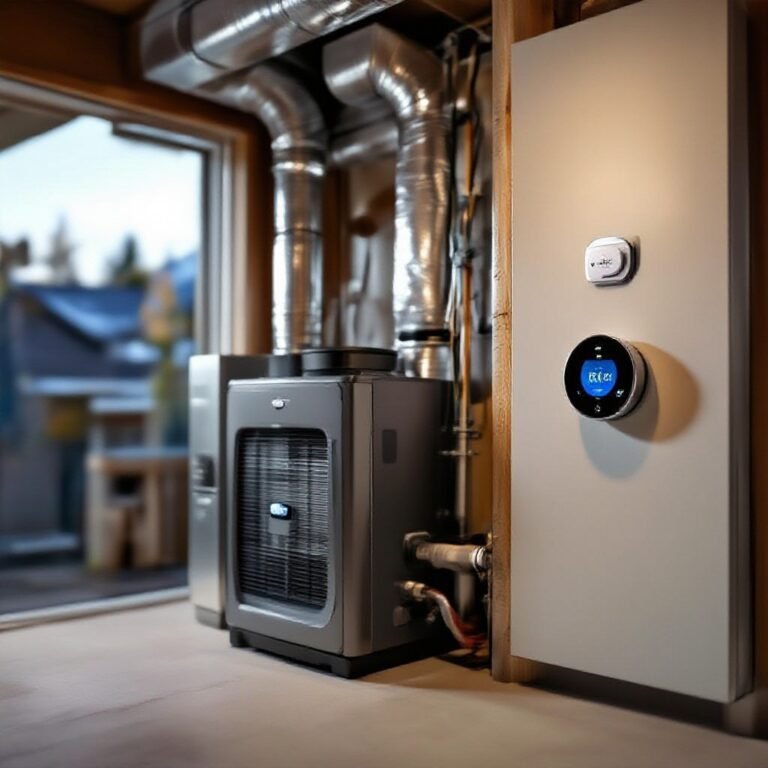
Calibrate thermostats, replace disposable filters, and check vents so airflow stays efficient and allergies are reduced as temperatures rise.
Schedule an annual technician visit to test refrigerant levels, clean coils, inspect ductwork for leaks, and lubricate moving parts; you should also change filters every 1-3 months depending on use and pet presence, verify thermostat accuracy, and consider a programmable model to optimize comfort and reduce energy bills.
Landscaping Preparation and Irrigation Testing
Test irrigation zones, repair leaks, adjust sprinkler heads, and set run times for new growth; prepare beds by pruning, removing debris, and applying mulch.
Prune dead branches, thin crowded shrubs, and divide perennials to encourage healthy spring growth; then run each irrigation zone manually to check pressure and emitter output, clean filters, repair leaks, adjust timers for seasonal needs, and test the rain sensor so your garden receives the right amount of water without waste.
Summer: Optimizing Cooling and Outdoor Living
You should schedule HVAC tune-ups, clear vents and filters, seal attic gaps, and arrange shading to keep cooling efficient while prepping patios for entertaining.
Exterior Paint and Siding Maintenance
Inspect siding and paint for cracks, blistering, or mildew; wash surfaces, spot-prime bare wood, and touch up to prevent moisture damage and insect entry.
Deck and Patio Structural Assessment
Check deck and patio for loose boards, corroded fasteners, warped joists, and unstable railings; tighten, replace, or brace components to keep gatherings safe.
Examine ledger boards, post bases, and footings for rot, rust, or settling; verify flashing is intact, ensure proper drainage away from supports, replace damaged joists, and use corrosion-resistant fasteners-hire a structural pro if you find sagging, widespread decay, or compromised connections to protect safety and extend service life.
Pest Control and Foundation Monitoring
Monitor for termite tubes, carpenter ant sawdust, and rodent burrows; keep mulch and plants away from foundation, fix leaks, and schedule inspections when you notice signs.
Assess crawlspaces, basements, and exterior perimeters monthly for moisture, wood-to-soil contact, and new cracks; maintain grading and gutter drainage, install bait stations or perimeter treatments as needed, and contact a pest or foundation specialist if you detect active infestation, widening cracks, or uneven settling.
Autumn: Preparing for Temperature Drops
| Autumn Tasks | |
|
Check gutters, seals, and roof before freezes; schedule your furnace tune-up and clear debris. Use this Spring Home Maintenance [Checklist] for seasonal tasks. |
Gutter cleaning | Furnace tune-up | Chimney sweep | Insulation check | Garden prep |
Heating System Service and Chimney Sweeping
Service your furnace and arrange a chimney sweep to remove creosote; you should also test vents and replace filters to ensure safe, efficient heating during colder nights.
Weatherstripping and Insulation Audit
Inspect your door and window seals, add weatherstripping where gaps appear, and top up attic insulation to lower heating bills and reduce drafts.
Evaluate the condition of foam, V-seals, and caulk around your windows and doors; measure attic insulation against recommended R-values, seal attic bypasses, and replace damaged batts so you minimize heat loss and system strain.
Garden Winterization and Tool Storage
Protect plants by mulching root zones, lift tender bulbs, and drain your irrigation lines; clean and oil tools before storing them in a dry place.
Store tools on hooks, sharpen blades, and coat metal with light oil to prevent rust; label containers, keep batteries indoors, and stack pots to avoid freeze-thaw damage so you can resume spring work quickly.
Winter: Interior Protection and System Efficiency
Home heating and plumbing need tuning to keep interiors protected and energy use low; you should check seals, service HVAC, and inspect insulation to prevent cold-weather damage.
Pipe Insulation and Leak Prevention
Pipes that you insulate and outdoor faucets you drain reduce freeze risk and costly repairs; wrap exposed lines, add heat tape where needed, and seal gaps where cold air enters.
Smoke and Carbon Monoxide Detector Testing
Test your smoke and carbon monoxide detectors monthly, replace batteries annually if needed, and log dates so you know alarms will work when winter heating runs nonstop.
Check detector placement and age: you should have smoke alarms inside each bedroom, outside sleeping areas, and a CO detector on every level. Replace units older than ten years, use fresh batteries for battery-powered alarms, press the test button monthly, and replace or service any device that fails to sound immediately.
Indoor Air Quality and Humidity Regulation
Maintain indoor air quality by changing HVAC filters more often during heavy use, keeping humidity around 30-50%, and ventilating briefly to reduce condensation and mold while you heat the house.
Monitor humidity with a hygrometer and adjust your humidifier or dehumidifier so you avoid excess moisture or overly dry air; you should clean humidifier tanks weekly, ensure dryer vents exhaust outside, run bathroom fans when showering, and consider a HEPA air cleaner if allergies or particulates persist.
Essential Monthly Safety Protocols
Inspect your home’s safety systems monthly: test smoke and CO alarms, clear emergency exits, check fire extinguisher pressure, and ensure windows open easily.
Electrical Panel and GFCI Outlet Testing
Test your electrical panel and GFCI outlets monthly: trip breakers to confirm labels, press GFCI test/reset buttons, and report frequent trips or burning odors to an electrician.
Sump Pump and Drainage Verification
Verify sump pump operation and drainage paths monthly: pour water to confirm pump cycles, inspect discharge lines for clogs, and clear nearby debris.
Check your sump pump’s backup power and float switch monthly: replace old batteries, test generator connection if present, remove silt from the pit, and ensure discharge extends well away from the foundation to prevent water intrusion.
Long-Term Structural and System Audits
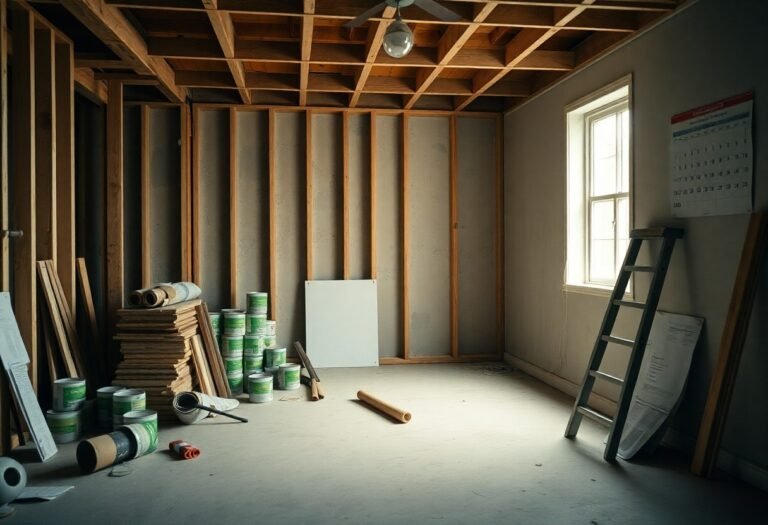
Periodic audits help you catch foundation shifts, HVAC degradation, and wiring aging early so you can plan repairs and budget effectively.
Major Appliance Efficiency Checks
Inspect your refrigerator, washer, dryer, and water heater for efficiency losses, worn seals, and outdated settings; replace filters and adjust cycles to lower energy use.
Attic and Crawlspace Moisture Monitoring
Monitor humidity and visible dampness in attics and crawlspaces monthly, checking vents, insulation, and plumbing penetrations so you prevent mold and structural decay.
You should aim to keep attic and crawlspace relative humidity between 30-50% and use a hygrometer to track fluctuations. Inspect insulation, floor joists, ductwork, and penetrations for stains, efflorescence, or soft wood after storms. Address leaks, improve roof and foundation drainage, and install vapor barriers or a dehumidifier where passive ventilation fails; schedule a pro inspection if mold or persistent damp odors appear.
Final Words
Presently you inspect gutters and roof, service heating in fall and cooling in spring, seal windows and pipes, trim trees and care for the yard, clear debris, and test safety devices to keep systems efficient and reliable year-round.
FAQ
Q: What should I do around the house in spring?
A: Spring is the time to clean and inspect exterior systems after winter. Clear gutters and downspouts of debris and check the roof for damaged shingles or flashing. Service the air conditioning system, replace filters, and test the thermostat. Inspect foundation and basement for moisture or cracks, and re-seal gaps around windows and doors. Start irrigation systems, prune shrubs away from the house, and apply fresh mulch to beds.
Q: What maintenance is recommended for summer?
A: Summer maintenance focuses on cooling, ventilation, and preventing heat-related damage. Clean and inspect the outdoor AC condenser, trim vegetation that blocks airflow, and check attic insulation for proper ventilation and heat buildup. Test and clean ceiling fans, inspect exterior paint and siding for blistering, and reseal patio and deck surfaces as needed. Monitor plumbing for leaks and keep dryer vents free of lint to reduce fire risk.
Q: Which tasks should I handle in the fall?
A: Fall tasks prepare the home for cold weather and heavy precipitation. Clean gutters and install gutter guards if needed, and inspect downspouts to ensure proper drainage away from the foundation. Service the heating system, replace furnace filters, and have a chimney or venting system inspected and cleaned if you use a fireplace. Winterize irrigation lines, check weatherstripping on doors and windows, and store or cover outdoor furniture and lawn equipment.
Q: What home maintenance is important during winter?
A: Winter maintenance protects the home from freezing temperatures and ice damage. Insulate exposed pipes, keep a slow trickle of water in faucets during extreme cold to prevent freezing, and monitor ice dams on roofs; remove snow buildup safely or hire a pro. Test carbon monoxide detectors when using combustion heating and maintain cleared walkways and driveways to prevent slips. Keep emergency supplies on hand, including a flashlight, battery backups, and a basic toolkit.
Q: How should I schedule annual and year-round maintenance?
A: Create a quarterly checklist tied to the seasons and schedule professional inspections annually for HVAC, roofing, septic or sewer lines, and chimneys. Replace HVAC filters every 1-3 months depending on usage and household needs, and change smoke and CO detector batteries twice a year, coinciding with daylight saving time changes. Perform monthly visual checks for leaks, pest activity, and moisture in basements or attics, and log repairs to prioritize larger projects before they worsen.