
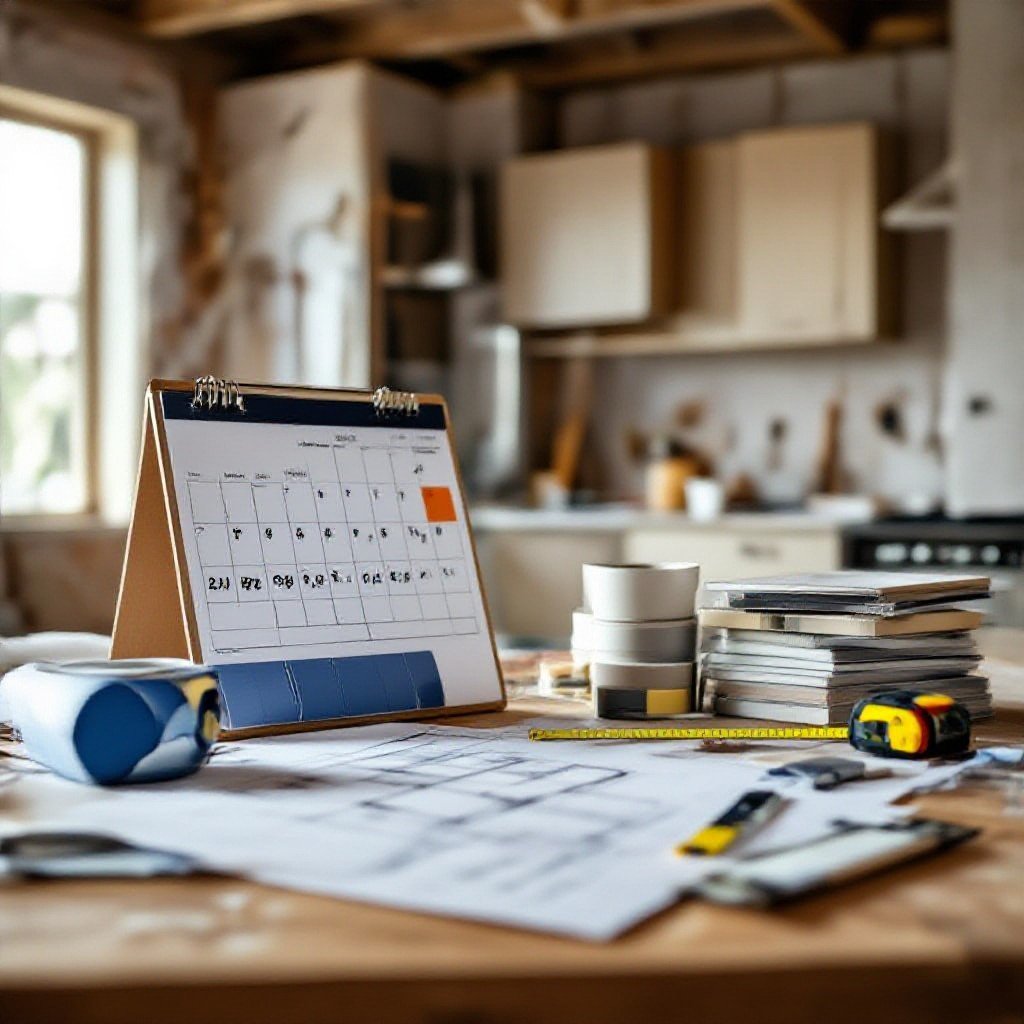

It’s a fair question: how long will your remodel actually take? Expect small projects in weeks, medium in months, large whole-home jobs up to a year or more. Plan for delays, inspections, and decision fatigue so you won’t be surprised.
Key Takeaways:
- A recent trend: homeowners are doing smaller, staged remodels first to cut downtime and keep budgets sane – cosmetic updates and modular kitchens are super popular right now, so full gut jobs feel less urgent for a lot of folks.
- Typical timelines by size: small updates (paint, new fixtures) 1-3 weeks; medium projects (partial kitchen, single bathroom gut) 4-8 weeks; large remodels (full kitchen, multiple baths, some layout changes) 8-16 weeks; whole-house or major structural work 3-9 months; extensive gut or ADU projects 6-12+ months.
- Main things that stretch timelines: permit queues, custom or long-lead materials, hidden structural issues… and busy subs or frequent change orders – any one of those can add days or weeks.
- Ways to speed things up: pick finishes fast, order long-lead items right away, hire a GC who coordinates trades tightly, and phase work so you can stay in parts of the house. Want it done faster? Be decisive and expect trade overlaps.
- Expect a buffer.
Plan for 10-30% extra time beyond estimates and keep regular check-ins with your team; clear communication prevents most surprises.
So, you’re just doing a quick face-lift?
Face-lifts sound fast, but even small refreshes need planning, paint, hardware, little repairs and scheduling can stretch a weekend into several days. You’ll want to block time, order materials ahead, and expect minor surprises; that keeps the project on track and your patience intact.
What a weekend warrior can actually pull off
Weekends let you knock out paint, trim, light fixture swaps and cabinet hardware if you’re organized and ruthless with decisions. You’ll rush, yes, and some finish work might wait, but you can get visible progress without contractor timelines – just don’t expect major plumbing, electrical rewires or structural changes.
Why even “small” jobs take longer than you’d think
Surprises pop up: hidden water damage, uneven walls, delayed parts, permit hiccups. You’ll find that a simple plan often turns into a chain of tiny tasks, each needing time, and that’s why a ‘weekend project’ usually stretches into extra days or evenings.
Expect a parade of tiny setbacks: wrong tile, a spike in moisture, a backordered faucet, an inspector’s note – they multiply. And the order of operations matters, so one fix can pause three other tasks. Who wants that?
Plan for delays.
So keep cushion days, make quick calls, and accept some mess while you finish – it’ll save you stress and late-night fixes.
The real deal about gutting your kitchen or bath
Lots of people assume gutting a kitchen or bath is quick, but you’ll hit dust, permit waits and surprise repairs. Give yourself extra time; check this How Long Does a Home Remodel Take? Full Timeline Guide for realistic expectations.
Dealing with the “middle child” of home reno
Some people treat mid-sized projects like the “middle child” – you think they’re easy, but they’ll disrupt daily life, need staged work and trades, and often take longer than expected. Expect 2-4 weeks of phased work and temporary tweaks to your routine.
Here’s where the plumbing nightmares start
Think plumbing’s just a quick swap? Nope – old pipes, hidden leaks, code upgrades and rerouting add time and cost, and you’ll probably need permits and inspections.
Once you pull up tile or cabinets you’ll find the truth – corroded fittings, hidden p-trap messes, even rodent-chewed runs, and that small job balloons fast. You ask “how long?” – it could be a day, it could be a week or more with reroutes and multiple trades.
Expect noise, water shutoffs and multiple inspections.
Why on earth is my contractor MIA today?
Lately more contractors are juggling multiple projects and subs, so your contractor might be off-site on another job or buried in calls; you expect daily updates, but they’ll vanish sometimes… it’s often logistics, not them ghosting you.
The permit office is basically a black hole
Permits can slow things to a crawl; you thought they’d be quick, right? Many cities have backlogs, missing paperwork or inspector shortages. You’ll hear crickets for days while the city stamps and schedules – plan for extra weeks, not days.
Honestly, shipping delays are still a thing
Shipping is still messy; you can’t assume a two-week lead time anymore. Long pallets, customs and factory slowdowns mean fixtures or appliances could arrive late, and that holds up trades – so expect to adjust your timeline.
You should order long-lead items first and get firm ETAs in writing.
Order long-lead items first.
Ask your contractor to sequence work that doesn’t depend on those pieces, consider local alternatives, split shipments or pay for partial/expedited delivery when it actually saves you cash on crew downtime.
What happens when you find mold or bad wiring?
Mold or bad wiring turns a quick project into an inspector’s marathon, often adding weeks while you handle abatement, permits and rerouted schedules. You’ll pay extra and shift priorities, so build cushion time and keep your crew flexible.
The “oh crap” moments that stall everything
Those surprise finds stop work cold, a hidden joist rot, buried knob-and-tube, or a mold pocket you’ll have to fix before moving on. You’ll lose days while decisions are made, trades are rescheduled and materials ordered. Expect your timeline to stretch and your patience to get tested.
Why I think you need a backup plan for your backup plan
Bring a Plan C, your backup will fail sometimes, and when it does you’ll need something ready so the job keeps moving. That might mean temporary fixes, alternate trades, or flexible material choices. It saves time and your sanity.
If your backup plan flops, you need a quick, cheap triage so work keeps rolling and crews aren’t sitting idle. Can you swap in different finishes, borrow materials, or hire a short-term sub? Keep a small contingency fund and a list of go-to pros.
Have Plan C ready and visible.

My take on how to not lose your mind
You can survive this remodel without losing your mind. Keep your priorities tight, celebrate tiny wins, and laugh at the chaos when it comes. Take breaks, ask for help, and set simple rules so decisions don’t pile up, you’ll stay sane and get the job done.
Padding your schedule so you don’t flip out
Give yourself buffer days between big milestones so delays don’t stack and you don’t constantly panic. Block extra time for inspections, missed deliveries, and decision changes, aim for 15-25% more than the estimate and you’ll breathe easier when things shift.
How to keep things moving when life happens
When life throws curveballs, focus on the tasks that keep the critical path flowing and let smaller items wait. Call your contractor, agree temporary fixes if needed, and stash decisions that aren’t blocking work, this keeps momentum without burning you out.
If a delay hits, triage fast: identify the blocker, estimate how long it stalls the critical path, then decide whether a workaround or waiting is smarter. Talk daily with your lead, get written confirmations, and don’t let small choices snowball into big holds. Want a trick? Keep a short go/no-go list for immediate decisions.
Clear communication saves time.
You’ll feel back in control sooner than you think, and that calm actually speeds the whole project up.
Summing up
The timeline depends on scope: a bathroom can take weeks, a kitchen months, and a full-house remodel several months to a year, so plan buffers, clear priorities, and realistic budgets; talk with contractors early and expect surprises, you’ll stay sane and on track.
FAQ
Q: What is a realistic remodel timeline for my project size?
A: With more homeowners ordering prefab cabinets and scheduling trades in phases, some projects are finishing faster than they used to, but timelines still depend on scope and surprises. Small refreshes like a powder room or painting usually take 1-3 weeks. Mid-size jobs such as a full bathroom or modest kitchen run 6-10 weeks. Large remodels or additions often land in the 3-6 month range, sometimes longer if structural work or permits are involved.
Q: How do you classify small, medium, and large projects for timing?
A: Small projects – think cosmetic updates, new fixtures, minor tile work – are short and often done in a few weekends or up to 3 weeks. Medium projects include gutting a bathroom, a kitchen remodel without moving major plumbing, or flooring through main living areas – plan on 6-12 weeks. Large projects cover moving walls, adding square footage, or full-home rehabs – expect 3-6 months or more when inspections and trades are sequenced. Want a ballpark? Ask for a phase-by-phase schedule from your contractor so you know when each trade shows up.
Q: What common delays should I plan for and how much buffer is reasonable?
A: Weather, permit holdups, backordered materials, and trade scheduling are the usual suspects, and those can stack – fast. A good rule is to add 15-30% time buffer to the contractor’s estimate for small to medium jobs, and 20-40% for big jobs. If you pick custom finishes or rare materials, tack on more time. A single line delay early on can ripple through the whole job, so expect some hiccups.
Q: How long do permits and inspections usually add to the timeline?
A: Permit timelines vary wildly by city – some places stamp plans in a week, others take 6-12 weeks for plan review. Inspections themselves are often quick, but scheduling an inspector can take days to a couple of weeks depending on local demand. If your job needs structural, electrical, and plumbing sign-offs, build the permit window into your plan from day one so you don’t get blindsided.
Q: How can I get a more accurate timeline for my specific project?
A: Start by getting a detailed, written schedule that breaks the job into phases – demo, rough-in, inspections, finishes – and lists who’s responsible and when they’ll be on site. Ask about lead times for key items like cabinets, windows, appliances and lock those orders early. Communicate often, be ready to make quick decisions when choices are needed, and keep a contingency fund and time buffer for surprises – it makes life so much easier when things go sideways.