It’s like choosing between a new engine and fresh tires: you want upgrades that cut bills, not bragging rights. You’ll learn which upgrades truly lower energy use, what pays back fast, and what’s just nice to have, so you can spend smart.
Key Takeaways:
-
Want faster savings and fewer hot-cold spots?
Sealing ducts and upgrading attic or wall insulation is the low-hanging fruit – cheap, fast, big impact.
Typical payback is 1-3 years in leaky, older homes.
Big comfort win. -
Want smart savings for under $200?
A programmable or smart thermostat pays back quickly because you’ll stop heating or cooling empty rooms.
They’ll often pay for themselves in 6-12 months, and rebates sometimes cover most of the cost. -
Want to avoid surprise breakdowns and keep efficiency up?
Annual tune-ups, proper refrigerant charge, and regular filter changes are cheap insurance – they cut energy use and prolong equipment life.
Skip maintenance and you’ll pay more later. -
Is it time to replace that 20-year-old furnace or AC?
Modern heat pumps or high-SEER units can slash bills, but payback depends on your local energy rates, incentives, and how old the current system is.
Check rebates and size the system correctly – wrong sizing kills efficiency. -
Struggling with uneven rooms and noisy operation?
Variable-speed blowers and zoning fix comfort issues and reduce runtime when you only condition part of the house, so they can save money in bigger or multi-story homes.
Upfront cost is higher, so these upgrades make the most sense when comfort problems are real or the house is large.
Is it finally time to ditch the old unit?
You shouldn’t cling to an ancient HVAC just because it’s still blowing air; aging units leak efficiency, cost more to run, and can wreck comfort. If you’re making constant repairs or your energy bills spike, replacing it now often saves money long-term and gives you better cooling and quieter operation.
My take on the 10-year rule
Ask yourself: the 10-year rule is a handy guideline, not gospel. If you hit ten years but the unit runs fine and your bills are low, you can wait; but if efficiency slipped or repairs pile up, it’s time to act – you don’t want surprise failures in peak heat.
Why I think waiting for a total breakdown is a mistake
Cutting it until a total breakdown means you risk emergency replacements, higher repair bills, and ruined summers. You end up paying premium labor and emergency parts, plus possible home damage from leaks. Don’t gamble with that one; plan for replacement before things go sideways.
Consider the hidden costs: emergency installs often run way higher, you lose comfort during heatwaves, and contractors tack on rush charges so you’re paying more for less. If you replace on your schedule you can shop rebates, pick the efficiency level you want, and time the work when pricing isn’t inflated. Why wait and hope?
Planned replacement usually wins.

The real deal about smart thermostats
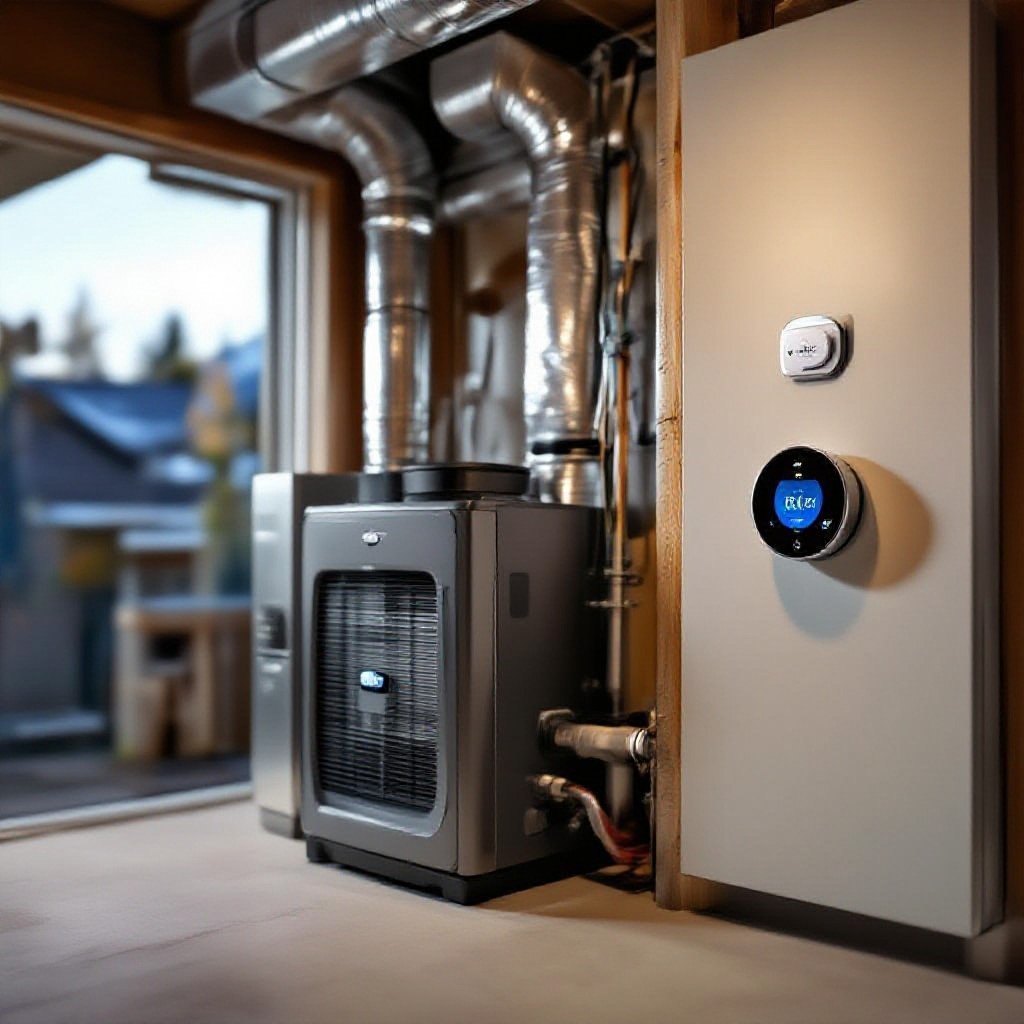
Many think smart thermostats are just flashy gadgets that don’t really save much, but you get tighter control, better comfort and measurable savings when you use schedules and sensors – and remote access beats coming home to a sauna, right?
They’re actually way easier to install than they look
Installing seems harder than it is; most smart thermostats swap into your old wiring in 20-40 minutes, the apps walk you through setup, and if you freak out a pro will finish it fast for cheap.
What’s the real savings on your monthly bill?
Wondering if the savings are smoke-and-mirrors? You can often shave 8-15% off heating and about 10% on cooling by using schedules, learning modes and setbacks, but results depend on your habits and local rates.
Actual savings depend more on what you do than on the thermostat model. Typical ranges are roughly 8-15% for heating and around 10% for cooling, though tighter insulation, sealed ducts and a tuned-up system can push that higher. You should fix air leaks and service the system first; then use scheduling, geofencing and utility-aware setbacks to maximize returns.
Small daily tweaks add up.
Seriously, you’ve gotta check your ductwork
Up to 30% of conditioned air can be lost through leaky ducts, per ENERGY STAR, so you may be paying to cool your attic. You’ll notice uneven rooms and higher bills. Do a quick visual and duct run, don’t let hidden leaks eat your comfort.
Why leaky ducts are basically burning your cash
Leaky ducts can raise your energy bills by about 20%, so you’re paying to heat and cool the attic, walls or crawlspace. You notice uneven comfort and a system that works harder. Seal the leaks and you’ll see quicker savings than swapping the whole system.
Sealing vs. replacing: what’s the right move?
Duct sealing typically pays back within one to three years, while full replacement costs much more upfront and only makes sense for badly damaged or mis sized systems. You should weigh age, damage and access – sometimes a targeted seal is enough, sometimes you need new ducts.
If your ducts are mostly intact and reachable, you can often seal gaps with mastic or aerosol injection and save hundreds – it’s messy but quick. But if ducts are crushed, heavily corroded, or wrong diameter for your equipment, replacement stops chronic issues. You should get an inspection, try sealing first and replace only when sealing won’t cut it.
Why I think heat pumps are the way to go
Last winter I watched my neighbor swap an ancient furnace for a heat pump and his bills nosedived; you notice the quiet, steady heat, fewer service calls, and cleaner air. You’ll get efficiency that actually pays back, fast.
Honestly, they aren’t just for warm climates anymore
When my sister moved to Minnesota she laughed about heat pumps, until a -10 night when hers kept the house comfy and her old gas boiler couldn’t keep up. You’ll see modern cold-climate models heat reliably and sip far less energy, so your bills drop.
The tax credits that make it a total no-brainer
Say you grab available federal and local incentives when installing a heat pump; upfront costs drop and payback times shrink. You should also hunt for utility rebates and contractor promos, you might get surprise savings that make the switch obvious.
Consider a neighbor who stacked a federal credit with a utility rebate and walked away with a tiny net cost, so you can see how this plays out in real life. Credits usually require qualifying models, receipts, and simple forms, and installers often file paperwork for you. Check federal guidance, state programs, and local utility offers, get written quotes showing incentives, and compare the final, after-rebate price before you decide.
Don’t ignore the small stuff that actually matters
Want to know which small HVAC fixes actually matter? You’d be surprised – swapping old thermostats, sealing ducts, and regular filter care cut costs and improve comfort. See practical tips in 6 HVAC Upgrades That Will Increase Your Home’s Value and start with the easy wins.
Here’s why regular tune-ups are non-negotiable
How often do you skip a tune-up and then wonder why your bill spiked? Routine servicing keeps coils clean, refrigerant balanced and airflow steady, which saves money and prevents breakdowns. Book seasonal checks, you’ll thank yourself when systems run smoother and last longer.
High-efficiency filters: do they actually help?
Can swapping to high-efficiency filters cut your costs or just tighten airflow? They trap finer particles, protect coils and improve indoor air, but you might need a higher-rated filter that your system can handle. Try a mid-grade MERV and see if efficiency and comfort improve.
Ever wonder which MERV rating actually fits your system? Higher MERVs catch pollen, smoke and tiny allergens and can really help if someone in your house has sensitivities, but they also increase resistance so older blowers may struggle. Check your furnace or air handler specs, consider pleated electrostatic options, and plan to change filters more often if you step up filtration.
What’s honestly a total waste of your cash?
You probably bought a flashy gadget or paid for a quick fix that barely changed comfort, and you hate that it didn’t work – most gimmicks look impressive but give tiny returns, so spend on basics that actually cut bills and improve comfort.
The “miracle” air cleaners that don’t do much
Once you plug in one of those countertop “miracle” purifiers hoping your allergies vanish, you’ll notice little difference – they often don’t move enough air or trap the smallest particles; invest in true HEPA or whole-house filtration if you actually need cleaner indoor air.
Oversizing your unit isn’t the flex you think it is
When you pick a bigger system to “be safe,” it short-cycles, can’t dehumidify properly, and runs up bills – bigger isn’t better for comfort or efficiency, so size it right.
If you’ve ever watched a giant AC kick on, blast cold for a minute, then shut off and wonder why the house still feels muggy, that’s oversizing in action – short-cycling wears components, spikes your electric use, and leaves humidity high so rooms never feel truly comfortable. You want a unit sized with a proper load calc (Manual J), matched to ductwork and thermostat placement; a slightly higher upfront cost for correct sizing pays off fast in lower bills, longer equipment life, and steadier comfort. Don’t let a salesperson sell you horsepower as a substitute for a proper design.
To wrap up
From above, the upgrades that pay off most are better insulation, a high-efficiency heat pump and smart thermostats – you get big comfort and lower bills. You’ll often recoup costs fastest by sealing ducts and improving controls; smaller fixes like programmable thermostats can surprise you with steady savings.
FAQ
Q: Do smart thermostats actually pay off?
A: I swapped my clunky dial for a smart thermostat and my partner kept laughing at how obsessed I got with the app – but the bills started shrinking, so yeah it was worth the geek-out.
The EPA says smart thermostats can cut heating by about 10-12% and cooling by roughly 15% on average, so the math actually works in a lot of homes.
Smart features like schedules, geofencing and learning modes are handy – they stop you from heating or cooling an empty house.
Smart thermostat often pays for itself within 1-3 years, quicker if you grab rebates or have big temperature swings in your climate.
Q: Will sealing and insulating the house give me good returns?
A: I once crawled into my attic and found gaps the size of my hand where air just poured through; after sealing and adding insulation the upstairs went from drafty to comfy overnight.
Air sealing and adding attic insulation are low-cost fixes that avoid the biggest energy leaks in many older homes.
Duct sealing is in the same category – if ducts run through unconditioned spaces, sealing them with mastic or foam can cut waste and make rooms feel cooler in summer and warmer in winter.
Those fixes are often the fastest payback you’ll get – sometimes in under a year if your home is leaky or the attic insulation is thin.
Q: Is it worth replacing an old furnace or AC with a high-efficiency model?
A: My neighbor replaced a 20-year-old AC that kept breaking and the new unit knocked a chunk off their electric bill, and they stopped calling for emergency repairs – relief all around.
Replacing an ancient unit usually pays off better than swapping a fairly new system; older gear is simply inefficient and more failure-prone.
High-efficiency heat pumps or high-SEER ACs shine in extreme climates and if you get rebates or tax credits the payback improves a lot.
Get the new unit sized and installed correctly – a properly matched system saves more money than any shiny efficiency rating.
Q: Do zoning systems or ductless mini-splits pay off?
A: We finished our basement and it was freezing, so we stuck in a ductless mini-split for that one room; instant warmth, no ripping up ducts, and the rest of the house wasn’t overheated anymore.
Ductless mini-splits are great for additions, garages, or homes without ducts and they offer targeted comfort and energy savings.
Whole-house zoning with motorized dampers helps in big homes where some rooms are used rarely – you stop wasting conditioned air on empty spaces.
Zoning and mini-splits have higher upfront costs, but they pay off when you use only the areas you need or when adding heat/cooling without full ductwork.
Q: How much does regular maintenance and better airflow actually save me?
A: I skipped a tune-up once and the system worked harder and louder all season – finally fixed it and the unit ran like a champ, bills dropped and the headaches stopped.
Annual tune-ups, cleaning coils, checking refrigerant charge and swapping filters keep efficiency up and extend equipment life.
Upgrading to a good filter helps indoor air but don’t overdo MERV ratings for your specific blower – too dense a filter can increase fan energy and cut airflow.
Routine maintenance is cheap insurance; it won’t make an old, dying system new but it prevents avoidable wasted energy and surprise break‑downs.