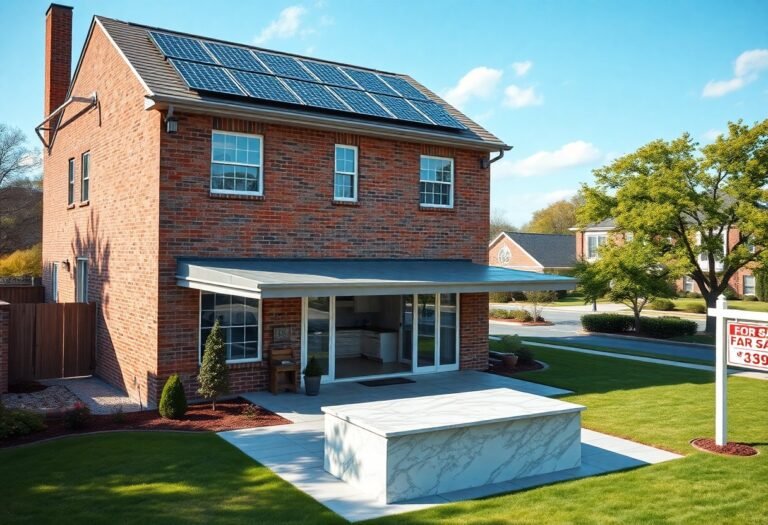
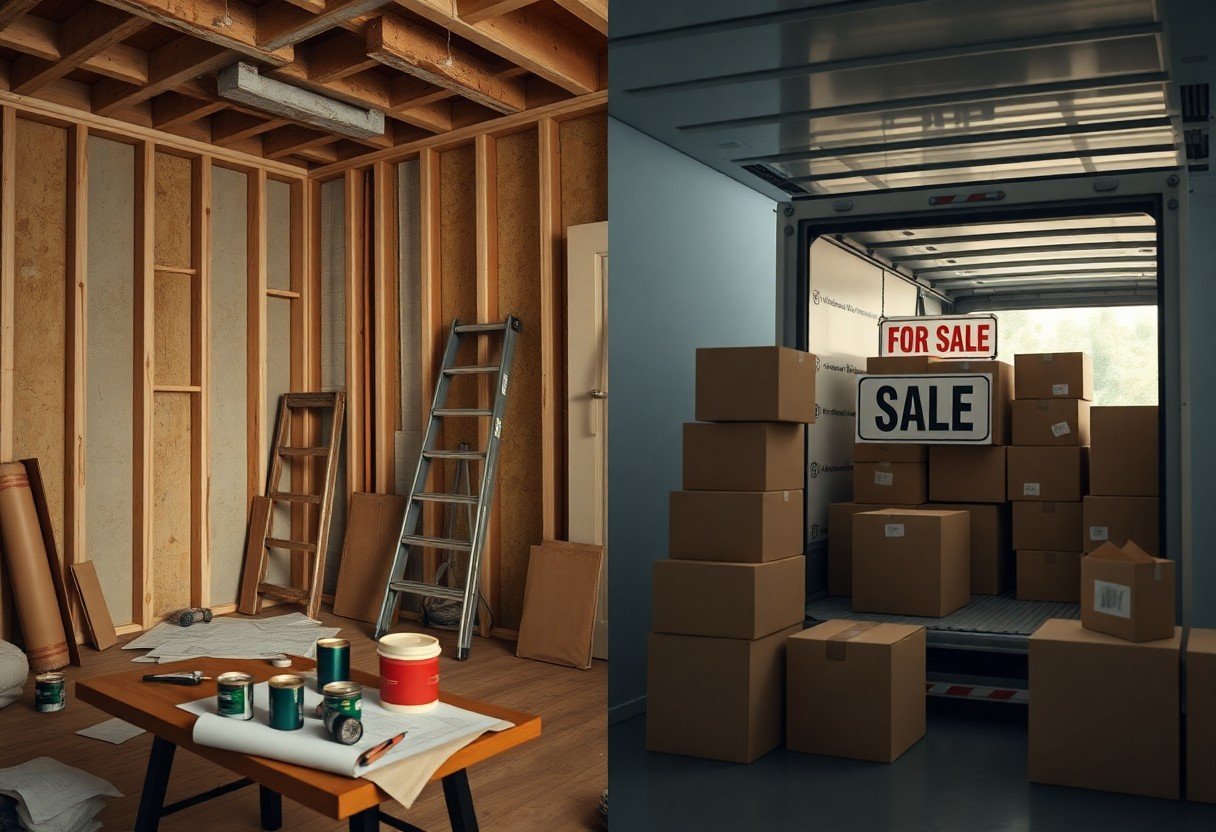
Decision time: assess costs, emotional ties, resale value, timeline, and local market to determine whether you should renovate or move; weigh professional quotes against relocation expenses to choose the financially and personally optimal option.
Key Takeaways:
- Cost comparison: Calculate renovation expenses (including hidden costs) and compare them with moving costs, changes in mortgage, taxes, and commute.
- Value impact: Evaluate how renovations will affect resale value versus buying in a different neighborhood and prioritize projects with strong return on investment.
- Lifestyle and location: Determine whether current neighborhood, schools, commute, and social ties meet long-term needs or if a move better aligns with lifestyle goals.
- Time, disruption, and stress: Assess tolerance for construction timelines, living through renovations, and contractor management compared with packing, selling, and settling into a new home.
- Financing and market timing: Review financing options, tax implications, and local housing market trends, then choose the option that fits your budget horizon and intended length of stay.
Evaluating Your Current Property’s Potential
Evaluate your property’s upgrade potential by weighing repair costs against resale value, neighborhood trends and lifestyle needs; this helps decide whether renovations will meet your goals or if moving is smarter.
Assessing Structural Limitations and Zoning Laws
Check load-bearing walls, foundation issues and local zoning restrictions so you know what changes are legally and physically feasible before budgeting.
Identifying Functional Deficiencies in the Current Layout
List the daily frustrations-tight kitchens, poor flow, inadequate storage-and rank them by impact on comfort and resale to guide renovation priorities.
Analyze room-by-room how you use each space, time your routines and measure traffic patterns; consider simple fixes like reconfiguring walls, opening sightlines, or repurposing closets before costly additions.
Analyzing the Real Estate Market Landscape
You should monitor local sales trends, median prices, and days on market to judge whether renovating will recoup costs or moving offers better returns and options.
Inventory Availability and Local Competition
Local inventory levels determine how quickly you’ll sell and how many alternatives you’ll find; tight supply increases competition and may push you toward renovating rather than hunting for scarce listings.
Impact of Current Interest Rates on Purchasing Power
Interest rates directly alter your borrowing cost, so you should recalculate mortgage payments to see how much home you can afford before deciding to move or renovate.
Calculate exact payment changes using mortgage calculators and test multiple rate scenarios, including a 0.5-1% increase. You should factor in down payment, loan term, taxes, insurance, and closing costs, and consider whether refinancing after renovations could restore purchasing power lost to higher rates.
The Financial Reality of Extensive Renovations
Renovations can eat your budget quickly when structural work, systems upgrades, and contractor markups stack up; you should compare total projected costs against current market value and moving expenses before deciding to stay.
Estimating Material, Labor, and Permit Costs
Estimate materials, labor, and permits separately, getting at least three contractor bids and a permit fee estimate so you can forecast realistic timelines, taxes, and a contingency buffer for cost overruns.
Accounting for Hidden Expenses and Living Arrangements
Plan for hidden costs such as asbestos removal, structural surprises, and extended living expenses if you must rent temporary housing or pay for hotel stays while major work completes.
Budget at least 10-20% above estimates for unforeseen issues, include storage and utility shifts, and tally short-term relocation costs so you can directly compare those totals with moving and closing expenses before committing.
Assessing Emotional and Lifestyle Factors
Weigh how much you value memories, routines and space; emotions, future plans and daily needs guide whether you renovate or move. See decision tools: Renovate or Rebuild? We Can Help You Decide! After you list priorities, compare costs and timelines.
- Emotional ties
- Daily routines
- Future growth
Neighborhood Sentiment and Community Ties
Consider how tied you are to neighbors, local events and nearby services; strong community bonds can make staying and renovating more appealing, while weak ties may push you to move.
School District Rankings and Commute Optimizations
Check school rankings and commute times; top districts and shorter drives can justify relocating, but if schools meet your goals renovating may suffice.
Evaluate public test scores, enrollment trends and upcoming boundary proposals, and visit schools to assess culture and facilities; you should map commute duration at peak times and factor childcare or after‑school logistics. Compare how moving into a higher-ranked district raises home value against renovation costs that keep you in place, consulting local parents and district officials before deciding.
Strategic ROI and Long-Term Equity Growth
Consider your expected holding period, local market trends, and renovation costs when deciding whether to renovate for ROI or sell to capture equity. You should weigh projected appreciation against renovation ROI, factoring taxes, carrying costs, and lifestyle needs to make a financially sound choice.
High-Value Upgrades with the Best Resale Potential
Kitchen and bathroom upgrades give you the highest resale impact, especially with midrange finishes that appeal to most buyers; you should prioritize layout, fixtures, and durable surfaces to maximize offer prices while controlling costs.
Avoiding the Risk of Over-Improving for the Area
Assess neighborhood comps and buyer expectations before costly changes so you don’t over-improve for the area; you should match upgrades to the ceiling price buyers will pay to protect equity and resale timing.
Local comparables, zoning rules, and HOA restrictions can cap how much value your upgrades add. You should run a cost-versus-return analysis, consult agents for sale-time price ceilings, and prioritize improvements that align with nearby home finishes. Avoid high-end installations that exceed neighborhood norms; those rarely recover costs and can extend time on market.
Summing up
Following this you can weigh renovation versus moving by comparing costs, lifestyle fit, resale value, timeline, and disruption; factor in your budget, neighborhood market, and long-term goals to choose the option that best preserves value and suits your plans.
FAQ
Q: How do I decide whether to renovate or move?
A: Start by listing your must-haves and nice-to-haves for space, layout, commute, schools, and neighborhood. Get ballpark renovation estimates from contractors and compare them to the cost of selling and buying, including agent commissions, closing costs, moving expenses, and any price gap to reach a preferred home. Factor in how long you plan to stay; short stays favor selling only if upgrades will be recouped quickly, while long stays increase the chance renovations pay off. Add nonfinancial factors such as attachment to the neighborhood, lifestyle preferences, and willingness to live through construction when making the final choice.
Q: What specific costs should I compare when evaluating renovation versus moving?
A: Include direct renovation costs like materials, labor, design fees, permits, and a contingency of 10-25 percent for unforeseen issues. Add soft costs such as temporary housing, storage, lost work time, and utility or living adjustments during construction. For moving, include selling costs (agent commission, staging, pre-sale repairs), closing costs, new mortgage down payment and rate differences, moving fees, and any overlap of mortgage payments. Factor in financing costs like increased interest on a renovation loan or equity loan fees and potential tax implications of selling or capital improvements.
Q: How does the local housing market influence the decision to renovate or move?
A: Seller markets with low inventory can increase proceeds from a sale, making moving financially attractive, but high competition may raise purchase prices for your next home. Buyer markets with ample supply make it easier to find a better home at a reasonable price, which can tip the scale toward moving if your needs are unlikely to be met by renovation. Local appreciation trends and comparable sales help estimate post-renovation value gains. Consult a local agent for comparable sales and expected time on market before deciding.
Q: What timeline and disruption should I expect for major renovations compared to moving?
A: Typical timelines vary by scope: cosmetic updates can take a few weeks, a kitchen remodel often runs 6-12 weeks, and full gut renovations may take several months. Permitting and inspection lead times can add weeks. Expect noise, dust, temporary loss of kitchen or bathrooms, and possible displacement for extensive projects. Selling and buying usually require 30-90 days of transaction time plus prep and staging; market conditions can shorten or lengthen that window. Plan for contingencies, establish temporary living plans if needed, and schedule work in phases to reduce household disruption.
Q: How can I estimate return on investment and avoid over-improving my home?
A: Request detailed contractor bids and create a spreadsheet that compares renovation cost to projected post-renovation sale price using recent comparable sales. Consult a real estate agent for neighborhood-specific value limits and a cost-versus-value resource for typical ROI on common projects. Focus upgrades with historically strong returns-kitchens, bathrooms, and curb appeal-while avoiding finishes that push your house above the neighborhood price point. Include nonmonetary benefits like improved livability in your calculus, and run a simple calculation: estimated increase in value minus renovation cost versus net proceeds difference if you sell and buy another home.