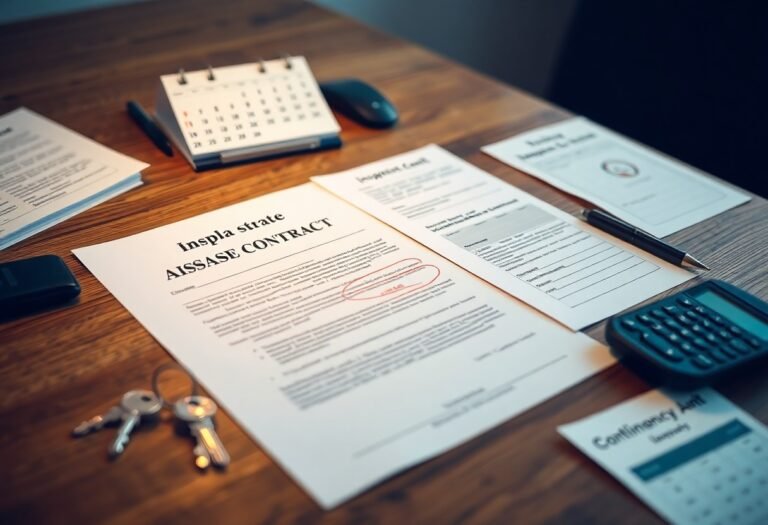

Most projects face scope shifts, and you control change orders by documenting requests, requiring formal approvals, updating contracts, and monitoring cost and schedule impacts to limit disputes and keep projects on track.
Key Takeaways:
- A change order is a documented amendment to the original contract that alters scope, cost, or schedule.
- Common triggers include design revisions, unforeseen site conditions, and client requests; change orders can increase cost and extend timelines.
- Implement a formal change-order process with written requests, scope impact analysis, cost/time estimates, and signed approvals before work begins.
- Maintain a change-order log with versioned documents, attachments, and an audit trail to track costs, decisions, and approvals.
- Include contract clauses for change valuation and dispute resolution plus a contingency budget to reduce claims and speed resolution.
Understanding the Change Order Mechanism
You must treat the change order mechanism as the formal process that documents scope, cost, and schedule adjustments and secures approvals so work changes proceed with clear responsibilities and payment terms.
Essential Elements of a Valid Change Order
Documentation must list the revised scope, itemized costs, time impacts, approval signatures, and a reference to the original contract so you can enforce and track the authorized adjustment.
Common Causes: From Design Errors to Owner Requests
Design errors, unforeseen site conditions, regulatory updates, and owner-driven changes all create circumstances where you must request or respond to change orders to keep the project aligned with expectations.
Site surprises like hidden utilities or poor soil force unexpected work; design omissions or vague drawings create disputes; owner scope shifts, late selections, and code changes expand time and cost exposure, so you must document discoveries immediately, issue timely notices, and quantify impacts against contract terms.
Assessing the Impact on Project Success
You must quantify how each change order affects scope, milestones, stakeholder expectations, and final deliverables so you can weigh trade-offs and decide whether to approve, negotiate, or reject changes to protect project objectives.
Budgetary Implications and Cost Overruns
Cost impacts compound quickly, so you should update budgets, highlight variances, require formal approvals, and secure contingency releases to prevent overruns from derailing the project.
Disruption of Schedules and Labor Productivity
Schedules shift when change orders arrive, and you face rework, idle crews, and reduced productivity unless you re-sequence tasks and communicate revised plans promptly.
Mitigating schedule disruption requires strict change triage and action: you should reserve buffer windows, reassign or cross-train crews, stagger deliveries, enforce short decision timelines, and use rolling forecasts to limit idle time and restore productivity quickly.
Framework for a Controlled Change Process
Structure your change process with defined steps, roles, and timelines so you can assess impact, cost, and schedule before approval. Clear stages let you track requests, set expectations, and maintain project alignment while limiting unexpected scope growth.
Formal Request and Documentation Standards
Templates and mandatory fields ensure you provide consistent descriptions, cost estimates, and impact analyses so approvers can review quickly. You should attach supporting documents, timestamp submissions, and maintain version control to avoid ambiguity and preserve audit trails.
Approval Hierarchies and Authorization Protocols
Levels of approval define who can authorize costs and schedule changes, and which requests need executive sign-off. You should map thresholds, decision timeframes, and delegated authority so reviewers understand their limits and responsibilities.
Escalation matrices clarify who reviews exceptions, how emergency approvals are handled, and when you must escalate to executives. You should define time limits, alternate approvers, and digital sign-off methods, plus require logged rationale for overrides so auditability and accountability are preserved throughout the process.
Strategic Methods to Limit Change Order Volume
Strategic planning, strict change protocols, and early stakeholder alignment reduce change order volume; consult How Change Orders Work in Construction to apply proven controls you can enforce on projects.
Rigorous Pre-Construction Planning and Site Surveys
Thorough pre-construction planning and site surveys let you identify conflicts, confirm existing conditions, and refine quantities so bids and schedules reflect reality and avoid later scope-driven changes.
Strengthening Contractual Language and Scope Clarity
Clear contractual language defines scope, approval paths, allowable tolerances, and pricing for extras so you can limit ambiguity and enforce quick, documented change decisions.
Specify fixed scope items, unit-price schedules, contingency allowances, required change-order forms, written notice periods, signatory authority, and mandatory cost/time impact analyses so you can adjudicate requests faster; keep a change log and involve legal review for high-value or disputed claims.
Utilizing Technology for Change Order Oversight
Cloud-based platforms give you centralized visibility into change orders, let you assign approvals, set deadlines, and track status across teams to reduce disputes and accelerate decision-making.
Digital Tracking and Real-Time Reporting
Dashboards let you monitor pending requests, approvals, and cost impacts in real time so you can spot scope creep early and prompt corrective action.
Integration with Project Accounting Systems
Connecting change-order tools to your accounting system ensures you capture cost changes instantly, update budgets, and maintain audit trails for accurate financial reporting.
Linking your change-order platform with project accounting automates cost postings, matches invoices to approved changes, updates budget forecasts, triggers alerts for overruns, and lets you run variance reports by change order while enforcing approval thresholds and preserving an auditable history that simplifies owner and subcontractor reconciliations.
Negotiation Tactics for Disputed Changes
When a change is disputed, focus on facts: compare contract clauses, scope descriptions and approvals, then propose time, cost or scope trade-offs so you can reach a practical resolution without derailing the project.
Transparent Cost Breakdown and Justification
Provide a line-item cost breakdown so you can show how hours, materials and margins add up, and include backup estimates to justify each figure during negotiations.
Maintaining Professionalism and Project Momentum
Keep communications factual and courteous, documenting meetings and decisions so you protect relationships while preserving schedule and cost control as you resolve the dispute.
Document every interaction, include timestamps, attendees and agreed action items, and share concise status updates; this lets you demonstrate reasoned behavior, reduces escalation risk, and keeps subcontractors and clients aligned so work continues where possible while disputes are settled.
Summing up
So you treat a change order as a formal contract amendment that alters scope, cost, or schedule. You control it by documenting requests, enforcing approval workflows, tracking costs and time, and maintaining clear communication and records to limit disputes.
FAQ
Q: What is a change order?
A: A change order is a formal, written amendment to the original contract that alters scope, price, schedule, or specifications. It converts an agreed deviation-such as added work, deleted work, or design revisions-into an enforceable modification signed by the parties. A valid change order identifies the work change, cost adjustment, schedule impact, and any revised payment or milestone terms.
Q: What commonly triggers change orders?
A: Common triggers include design errors or omissions, owner-initiated design or scope changes, differing site conditions discovered after mobilization, code or regulatory updates, material substitutions or lead-time issues, and unforeseen subsurface conditions. Incomplete specifications or assumptions during bidding also cause frequent change requests.
Q: How do you control change orders during a project?
A: Control change orders by establishing a formal change-management process that requires written change requests, defined approval authority, and standardized pricing rules. Set a clear scope baseline in the contract and require signed authorization before any change work begins. Require cost and schedule impact analyses with subcontractor quotes and supporting documentation. Maintain a centralized change log, review pending requests at regular project meetings, and enforce approval thresholds so field teams do not proceed without authorization. Hold a budget contingency and apply contractual holdbacks to manage financial exposure.
Q: How should change orders be priced and documented?
A: Price change orders by calculating direct costs (labor, materials, equipment), indirect costs (supervision, site overhead), and the contract-specified markup or fee. Include time-related costs when the change affects the critical path and quantify extensions using an updated schedule analysis. Document every change with revised drawings, RFIs, field reports, photos, subcontractor quotes, and a signed authorization form. Update the baseline schedule and budget and keep complete supporting invoices and correspondence for payment or claims support.
Q: What legal or contractual issues arise from change orders and how are disputes handled?
A: Typical legal issues include missed notice requirements, oral agreements without written authorization, conflicting interpretations of scope, and disputed cost or time impacts. Comply strictly with contract notice and claims procedures and preserve contemporaneous records. Seek negotiated resolution first and use contract-specified dispute resolution (mediation, arbitration, or litigation) if settlement fails. Consult legal counsel to quantify damages, demonstrate causation, and ensure proper documentation before pursuing formal claims.