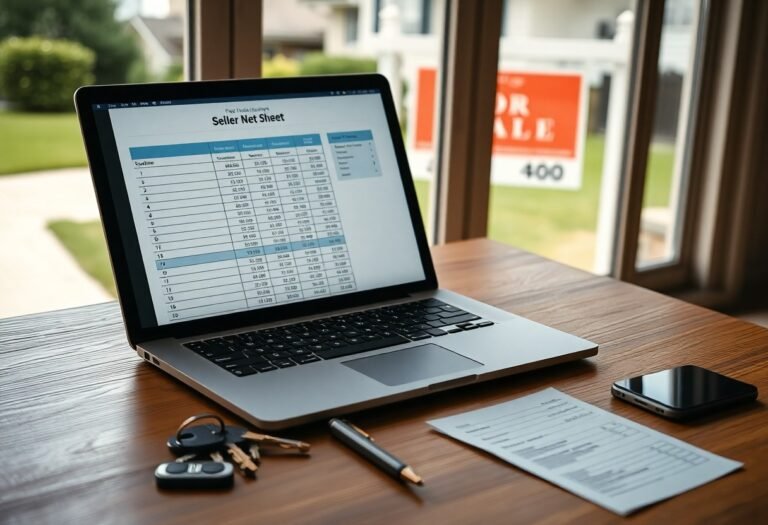
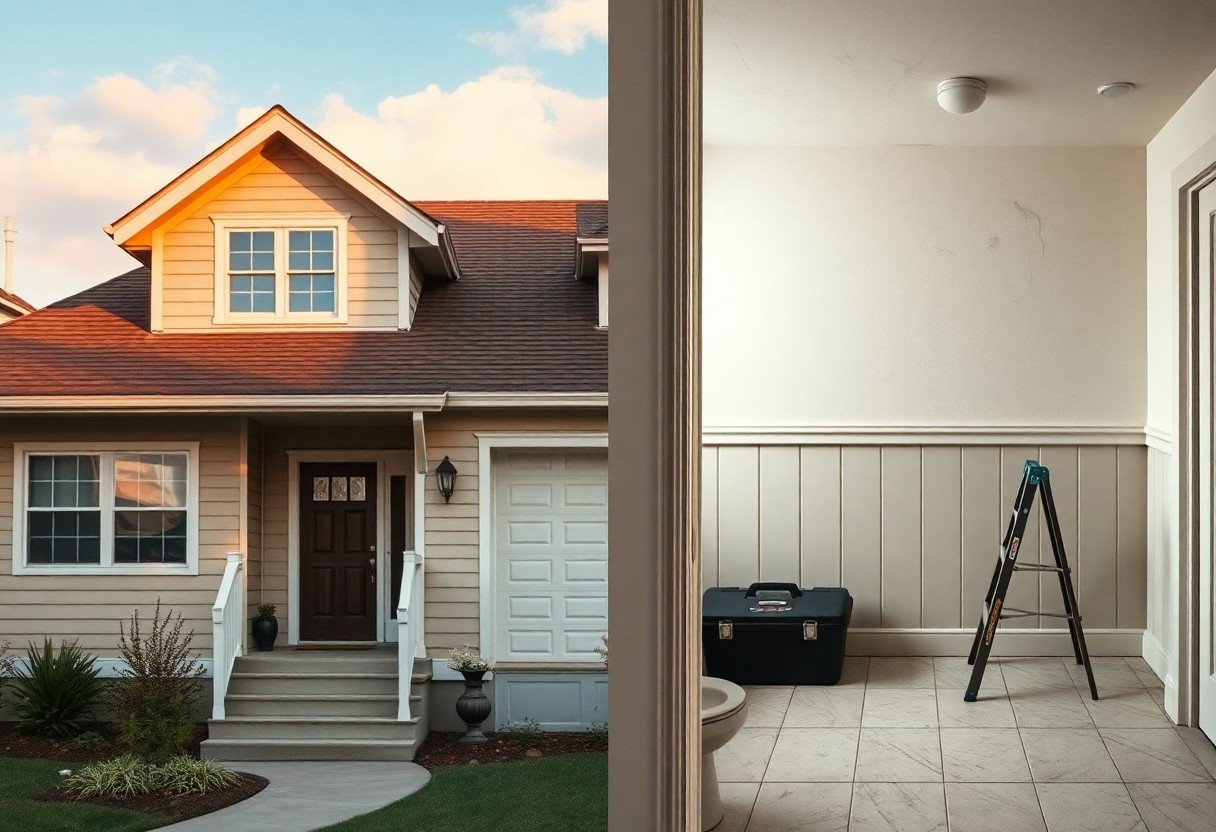
home inspections reveal issues, so you should prioritize safety fixes, electrical and plumbing repairs, and curb appeal while skipping costly structural overhauls that seldom boost offers.
Key Takeaways:
- Fix safety and major systems first: roof, foundation, electrical, plumbing, and HVAC drive buyer confidence and prevent deal-killers.
- Cost-effective cosmetic improvements like fresh paint, minor flooring repairs, and curb appeal boost showings and perceived value.
- Skip high-end remodels and highly personalized upgrades that exceed neighborhood standards or won’t recoup their cost.
- Get a pre-listing inspection to identify issues buyers will find and to decide whether repairs or price concessions make more sense.
- Balance repair costs against expected sale price: prioritize fixes that affect marketability or negotiating power, and accept small imperfections that buyers can overlook.
Maximizing Curb Appeal: First Impressions Matter
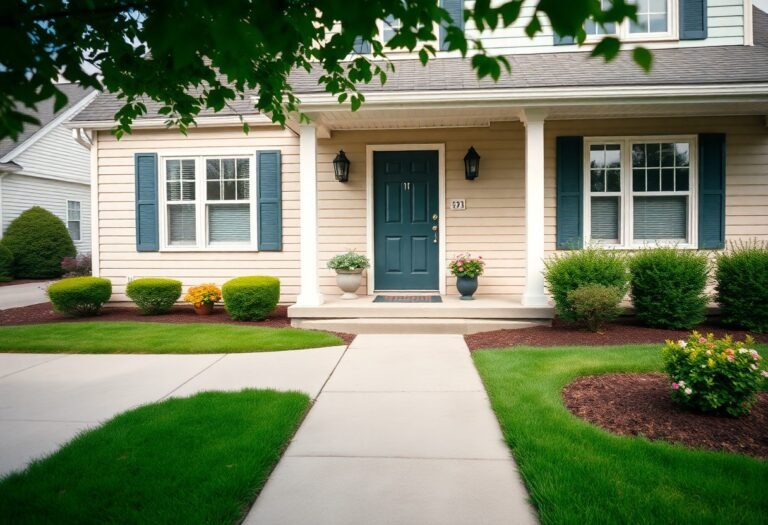
Curb appeal sells quickly; focus on visible fixes that reassure buyers-clean siding, swept walkways, trimmed shrubs, and a welcoming entry. You’ll recoup small investments and speed up showings by making the exterior tidy and inviting.
Landscaping and Exterior Paint Touch-ups
Tidy beds, mow lawns, and remove dead plants so you don’t give buyers a reason to downgrade the property. You should touch up peeling paint on trim and shutters; small paint repairs look noteworthy without large expense.
Front Door and Entryway Refurbishment
Refresh your front door with paint or new hardware to signal care; clean or replace the welcome mat and update lighting so you set an inviting tone before buyers step inside.
Consider choosing a door color that contrasts the facade to create instant visual interest; pair it with durable hardware in a consistent finish. You can replace worn thresholds and weatherstripping to avoid drafts and squeaks buyers will notice. Install clear, warm lighting and modern house numbers so the entry reads as cared-for and secure.
High-ROI Interior Improvements
Interiors that show well sell faster; focus on updates that boost perceived value and ask your agent about local priorities. You can find guidance in Most Important Updates and Repairs to Make Before Selling to prioritize high-return fixes.
Applying a Neutral Color Palette
Painting walls in muted tones helps buyers imagine their belongings; you should pick universally appealing neutrals, touch up chips, and ensure consistent trim for a clean, photographable presentation.
Flooring Repairs and Professional Carpet Cleaning
Floors influence buyers’ impressions; you should repair damaged planks and hire professional carpet cleaning to remove odors and stains before listing.
Should you find hardwood refinishing costly, prioritize fixing squeaks, replacing broken boards, and refinishing only high-traffic zones; you should also hire pros for hot-water extraction and deodorizing so carpets, padding, and subfloor smells are eliminated and buyers feel confident.
Addressing Essential Mechanical Systems
Inspect your HVAC, plumbing, electrical systems and major structural concerns early so you can prioritize repairs that affect safety and financing, leaving minor cosmetic or nonfunctional quirks for negotiation.
HVAC, Plumbing, and Electrical Functionality
Check that heating, cooling, plumbing fixtures, and electrical systems operate safely and consistently; replace worn parts, fix leaks, and correct wiring issues that could fail inspections or jeopardize appraisals, but skip full replacements if systems are serviceable and priced accordingly.
Ensuring Roof Integrity and Foundation Stability
Verify roof soundness and foundation stability by repairing active leaks, missing shingles, and structural cracks that threaten habitability or loan approval; cosmetic shingle wear or minor foundation hairline cracks can often be disclosed rather than fully repaired pre-listing.
Assess visible signs-stains, sagging, pooled water, wide foundation gaps-and get a professional inspection for suspected leaks or movement; you should fix active leaks and structural defects, but document minor blemishes and discuss buyer perception versus repair costs with your agent.
Strategic Kitchen and Bathroom Updates
Kitchen and bathroom updates should target visible, cost-effective fixes that boost appeal; you’ll recoup more by repairing countertops, replacing outdated fixtures, and re-grouting than by full remodels.
Cost-Effective Hardware and Fixture Swaps
Swap hardware and fixtures for a fresh look without heavy expense; new pulls, faucets, and lighting modernize kitchens and baths and help you show buyers the home is well cared for.
Refacing Cabinets vs. Full Replacements
Refacing cabinets refreshes appearance at a fraction of replacement cost and preserves box integrity, but replace if boxes are warped, hardware fails, or you need a different layout.
When comparing options, factor cost, timeline, and buyer expectations: refacing typically costs 30-50% of replacement and takes days, while full replacement suits damaged boxes, layout changes, or higher-end finishes you expect to sell for a premium.
Repairs to Skip: Avoiding Diminishing Returns
Homes with minor cosmetic flaws don’t need exhaustive fixes; you should target safety, function, and visible cleanliness rather than expensive projects with poor resale payback.
Major Luxury Renovations and Over-Improvements
Luxury renovations-like high-end kitchens, custom additions, or imported finishes-often outprice neighborhood comps; you should only pursue them if comparable sales justify the cost.
Personalized Cosmetic Features and Niche Upgrades
Personalized features such as murals, bold color schemes, or themed rooms can turn buyers off; you should neutralize or remove niche elements to broaden appeal.
If you own customized built-ins, rare finishes, or hobby spaces, you should analyze buyer demand and resale comps; choose reversible, low-cost updates like neutral paint, removable hardware, or staging to maintain value while keeping the home market-ready.
Navigating the Home Inspection Process
You should attend the inspection, review the report with your agent, and prioritize fixes that affect safety, systems, or marketability while skipping minor cosmetic items buyers can accept.
Identifying Mandatory Safety and Code Repairs
Expect inspectors to flag hazards like faulty wiring, gas leaks, missing handrails, mold, or structural issues-those often require code-compliant repairs before closing.
Negotiating Seller Credits vs. Physical Fixes
Weigh seller credits against physical fixes based on cost, buyer perception, and timeline; small, low-cost issues often convert to credits, while visible or safety items are better repaired.
If you choose credits, obtain contractor estimates, set a credit cap in the contract, require pre-closing re-inspection options, and disclose permits so lenders and buyers accept the solution.
Conclusion
Now you should repair safety and structural issues-roof leaks, electrical hazards, and major plumbing-while skipping high-cost cosmetic upgrades that rarely increase sale price; disclose defects and consult your agent to prioritize cost-effective fixes.
FAQ
Q: Which repairs give the best return on investment before selling?
A: Focus on fixes that affect safety, habitability, and home systems first: roof leaks, major plumbing issues, broken electrical, and heating or cooling failures. Curb appeal improvements such as fresh exterior paint, clean landscaping, new front door hardware, and pressure washing offer high visual impact for relatively low cost. Minor kitchen and bathroom updates that target visible wear-grout, caulking, cabinet hardware, and modern light fixtures-often attract buyers without the expense of a full remodel. Buyers and appraisers pay attention to obvious defects that could delay or block financing, so repair items that would appear on an inspection report before cosmetic tweaks that only change style.
Q: Which repairs can I safely skip before listing?
A: Skip expensive, buyer-specific upgrades like a full kitchen overhaul or luxury bathroom remodel unless your market strongly favors move-in-ready high-end homes. Cosmetic issues that buyers expect to customize-dated paint colors, worn carpet, or minor tile damage-can be left for the buyer unless they are severe enough to affect showability. Deferred maintenance that does not present a safety hazard or financing barrier, such as replacing older but functioning appliances, can be negotiated later as concessions or credits. Small cosmetic imperfections can be disclosed and handled in price negotiations rather than paid for up front.
Q: Should I get a pre-listing inspection and which inspections make sense?
A: A pre-listing inspection often speeds the sale and reduces renegotiation risk by revealing defects early so you can decide what to fix or disclose. Basic home inspection is the most useful general step; add specialized inspections when indicated by property age or symptoms-roof inspection for older roofs, sewer scope for homes with older sewer lines, termite/pest inspection in susceptible regions, and HVAC or chimney checks if those systems look aged. Provide documented repairs and inspection reports to buyers to build trust and shorten closing timelines.
Q: How do I decide what to DIY and when to hire a professional?
A: Tackle DIY for cosmetic tasks you can complete to a high standard: painting, minor drywall repair, cleaning, decluttering, and basic landscaping. Hire licensed professionals for structural work, electrical, major plumbing, gas lines, and any task that legally requires a permit or professional certification to avoid failed inspections or liability. Consider time and buyer expectations: a sloppy DIY finish can reduce perceived value, so hire a pro if the job will look amateurish or if you cannot finish quickly before listing.
Q: How should I handle disclosed issues and buyer repair requests during negotiation?
A: Disclose known defects per legal requirements and keep receipts or contractor estimates for completed repairs to show buyers. Respond to buyer repair requests by prioritizing safety and lender-related items; offer repair credits or reduced price for cosmetic or minor items buyers want changed rather than completing every requested task. Obtain written contractor estimates when offering credits to support your position and speed closing. Use transparent documentation and reasonable concessions to avoid last-minute deal collapses and to maintain buyer confidence.