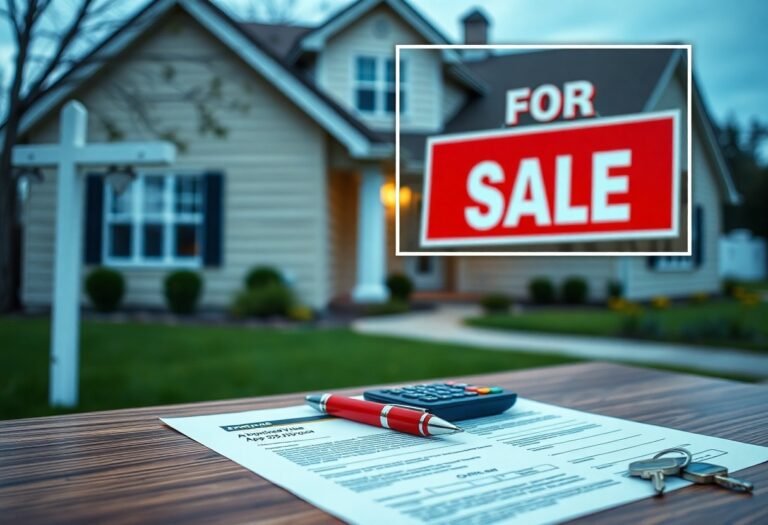
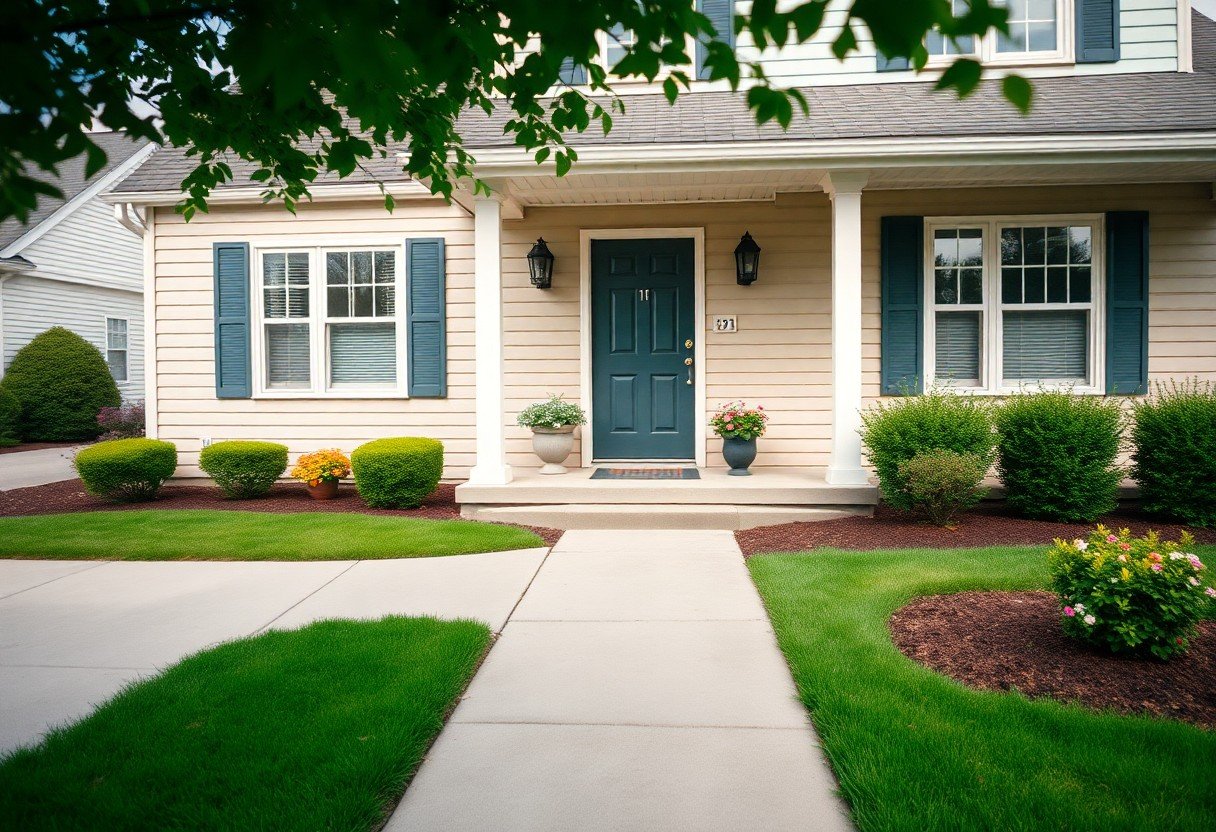
Sellers need a concise curb appeal checklist so you can maximize buyer interest: tidy lawn, fresh paint, trimmed hedges, clean walkways, clear entry, potted plants, and proper lighting to boost perceived value and speed sale.
Key Takeaways:
- First impressions drive buyer interest: power-wash siding and walkways, repaint trim and the front door, replace worn mailbox and house numbers.
- Yard maintenance boosts perceived value: mow and edge the lawn, trim shrubs, remove dead plants, and add fresh mulch and seasonal potted flowers.
- Lighting and safety improve showability: install path and porch lighting, repair handrails, clear trip hazards, and ensure walkways are well lit for evening showings.
- Minor repairs and decluttering give a polished look: clean gutters, fix peeling paint, tighten loose fixtures, and remove excess furniture and personal items from porches.
- Low-cost upgrades offer high return: paint the front door, update hardware and house numbers, add a welcome mat and matching planters, then schedule professional photos after improvements.
The Walk-Up Audit: Viewing Your Home Through a Buyer’s Lens
Step onto the porch and scan outward like a buyer: note sightlines, lingering odors, visible clutter, and any signs of neglect that can sour a first impression before they reach the door.
Identifying Immediate Aesthetic Deterrents
Check for peeling paint, overflowing gutters, overgrown greenery, cracked sidewalks, or a stained driveway-each can make buyers form a negative view in seconds.
Prioritizing High-Impact Repairs
Address visible safety and cosmetic issues first-loose railings, uneven steps, damaged siding, and dim exterior lighting will push offers down faster than minor interior updates.
Target repairs that maximize return and can be completed before listing: tighten handrails, reset uneven pavers, replace broken exterior lights, paint or refinish the front door, clear gutters, and patch obvious roof or siding damage; get quotes for structural concerns and schedule contractors so photos and showings reflect a finished, well-maintained exterior.
Landscaping and Greenery Optimization
Optimize your yard by keeping greenery tidy, color balanced, and walkways clear; small fixes signal care and increase buyer interest.
Lawn Maintenance, Edging, and Weed Control
Maintain a neatly mowed lawn, crisp edging, and prompt weed removal so you present a polished, low-maintenance exterior to buyers.
Pruning, Mulching, and Seasonal Planting
Prune overgrown shrubs, refresh mulch beds, and add seasonal blooms so you keep planting beds attractive and well-defined.
When you prune, cut to healthy outward-facing buds, remove dead wood, and thin dense growth to improve airflow and reduce disease risk; apply two to three inches of mulch, keep it back from trunks to avoid rot, and rotate seasonal plantings to sustain color and buyer appeal throughout the year.
Exterior Surfaces and Hardscape Maintenance
Inspect exterior finishes, clean gutters, and repair trim so buyers see care; consult the Ultimate curb appeal checklist for sellers to guide you through tasks.
Power Washing Siding, Driveways, and Walkways
Power-wash siding, driveways, and walkways so you remove dirt, mildew, and oil stains and present cleaner, safer surfaces to prospective buyers.
Repairing Masonry Cracks and Refreshing Grout
Patch hairline cracks, regrout tiled areas, and seal joints so you prevent water intrusion and convey structural care to buyers.
You should inspect mortar depth and match mortar color, use polymeric sand or mortar patch for small gaps, and hire a mason to repoint and reseal when damage is extensive to avoid moisture problems and reassure buyers about durability.
The Front Entryway as a Focal Point
Your front entryway acts as the visual focal point; you can attract buyers by clearing walkways, adding matching potted greenery, refreshing trim, and keeping the view to the door unobstructed.
Refreshing the Door with Paint and Modern Hardware
Refresh the door with a bold yet neutral paint color and swap dated knobs and locks for modern hardware so buyers see a cared-for, up-to-date entry.
Upgrading Lighting Fixtures and House Numbers
Upgrade exterior lighting and house numbers to improve nighttime curb appeal and wayfinding; choose energy-efficient fixtures and high-contrast numerals so buyers notice clarity and quality.
Consider orienting your light fixtures to eliminate glare while brightening paths, using warm color-temperature bulbs (2700-3000K) for a welcoming tone, and adding dusk-to-dawn or motion sensors for security and convenience; pair that with large, reflective house numbers mounted on a contrasting backing so sightlines from the street are clear and immediate for visitors and potential buyers.
Windows, Gutters, and Roof Integrity
Windows, gutters, and roof condition signal buyers how well you maintained the property; keep glass spotless, gutters clear, and address missing shingles or sagging to prevent negative inspection notes and maximize first impressions.
Professional Window Cleaning for Maximum Transparency
Hiring professionals for window cleaning removes streaks, hard-water stains, and film so you present brighter rooms and unobstructed views that appeal to buyers during showings.
Clearing Debris and Assessing Visual Shingle Health
Clearing leaves and moss from roof valleys and gutters lets you spot curled, missing, or granule-worn shingles and prevents water backup that can stain siding or weaken foundations.
Inspect the roof first from the ground, then use binoculars or hire a pro for closer checks; you should remove debris with a broom or blower, check gutters for granule runoff, test downspouts with water, and look inside the attic for daylight or stains that indicate leaks. If you find lifted edges, bald spots, or sagging gutters, get at least two contractor estimates, fix visible damage before listing, and keep repair receipts and photos to reassure buyers and inspectors.
Final Staging and Decluttering the Perimeter
Clear the yard and walkways of personal clutter, trim overgrown shrubs, sweep paths, and stage a few tasteful potted plants to create a welcoming frame. You should ensure sightlines are open so buyers focus on the home, not the mess.
Concealing Utilities, Hoses, and Trash Receptacles
Hide hoses, meters, and receptacles behind latticed screens, storage benches, or low shrubs so they stay accessible but out of sight. You can roll hoses neatly and match enclosures to exterior colors for a tidy, cohesive look that won’t distract buyers.
Adding Strategic Decor and Welcome Elements
Place a welcoming doormat, modest bench or pair of chairs, and fresh potted flowers to frame the entry; use neutral colors and one or two focal accents so buyers imagine themselves living there without feeling distracted.
Balance scale and symmetry at the entry: pair planters, match cushion fabrics to exterior tones, and keep decor proportional to door size so accents feel intentional. Choose low-maintenance, seasonally appropriate plants and add subtle lighting for evening showings. Keep personal items out of sight and limit decorations to two focal pieces to maintain a clean, inviting presentation.
FAQ
Q: What should a comprehensive curb appeal checklist include?
A: A comprehensive checklist covers cleaning, small repairs, planting, and finishing touches. Start with a pressure wash of siding, driveway, and walkways; clean gutters and repair any visible roof or fascia damage. Paint or refresh the front door and update hardware, house numbers, mailbox, and light fixtures. Trim hedges, mow the lawn, edge beds, remove weeds, add fresh mulch, and place a few well-chosen potted plants near the entry. Repair cracked concrete, seal driveway stains, replace broken window screens, and ensure a clear, well-lit path to the door.
Q: Which curb appeal projects give the best return for sellers on a modest budget?
A: High-impact, low-cost projects often deliver the strongest return. Paint the front door and touch up trim, power wash surfaces, replace outdated light fixtures and hardware, and add fresh mulch and a couple of container plants. Improve lighting along the entry and walkway to create a safer, more inviting first impression. Replace or clean the doormat and stage the porch with simple, tidy furniture if space allows.
Q: How much should a seller expect to spend on curb appeal upgrades?
A: Typical spending depends on scope and local market expectations. For quick cosmetic boosts expect $200-$2,000 for items like paint, plants, power washing, new hardware, and lighting. For mid-range updates including new siding panels, driveway repairs, or professional planting plan expect $2,500-$10,000. Consult local agents or recent nearby sales to match improvements to buyer expectations, and prioritize items that improve first impressions.
Q: What are easy last-minute fixes before showings?
A: Quick fixes focus on cleanliness and removing distractions. Mow the lawn, sweep the porch, clear toys and trash bins from view, and pick up pet waste. Wash windows, wipe down light fixtures, replace a worn doormat, and set out two matching potted plants or a seasonal wreath. Turn on exterior lights for evening showings and ensure pathways are dry and hazard-free.
Q: How does curb appeal affect sale price and time on market?
A: Strong curb appeal shortens time on market and can increase perceived value among buyers. Buyers form impressions within seconds, so a well-presented exterior can lead to higher showing traffic and stronger offers. Cost-effective improvements like paint, lighting, and tidy planting often produce measurable gains in buyer interest compared with leaving visible defects unaddressed.