
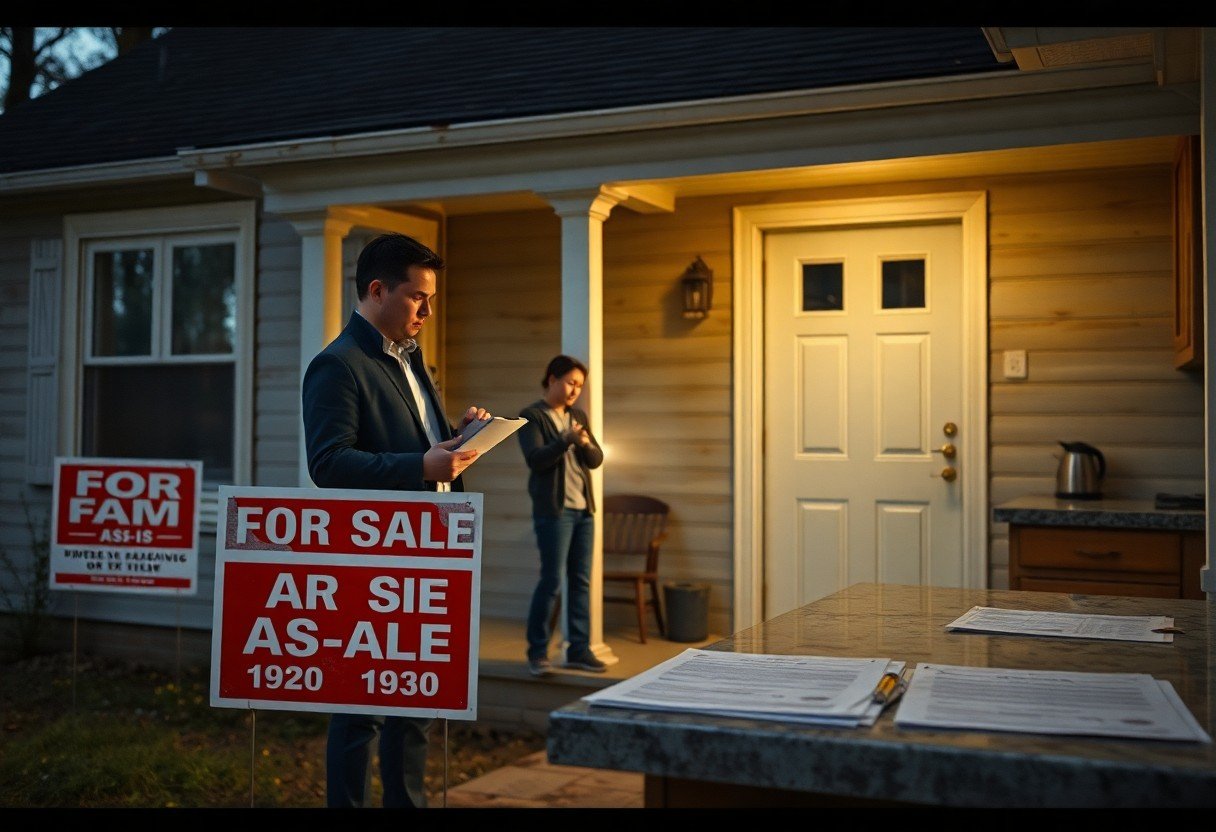
You should know that selling a property “as-is” means the seller offers it without repairs or warranties, shifts responsibility for defects to the buyer, and usually lowers price and negotiating power.
Key Takeaways:
- Selling “as-is” means the seller offers the property in its current physical condition and will not perform repairs.
- Sellers remain obligated to disclose known defects; “as-is” does not protect against fraud or intentional misrepresentation.
- Buyers should obtain a professional inspection and consider contract contingencies to identify issues and protect their deposit.
- Some lenders and insurers may require repairs or deny financing, which can affect a buyer’s ability to close.
- Listing price usually reflects condition, so as‑is properties often sell for lower prices but can shorten time and expense for sellers.
Defining the Legal Scope of “As-Is”
Law varies by state: an “as-is” clause limits seller duty to disclose unknown defects but does not shield fraud or deliberate concealment, so you retain protections from statutory disclosure requirements and anti-fraud rules.
Distinguishing property condition from seller liability
Contracts often state condition of property while separate laws determine seller liability; you should understand that accepting physical defects doesn’t waive claims for nondisclosure, misrepresentation, or code violations.
Common misconceptions regarding the “As-Is” clause
Many buyers wrongly assume “as-is” eliminates all remedies; you can still pursue claims if the seller hid defects, broke disclosure laws, or knowingly misled you during negotiations.
Clarifying that sellers cannot contract out of liability for known defects will help you insist on inspections, request repairs, or seek price reductions when evidence shows concealment or false statements.

State and Federal Disclosure Obligations
States and federal laws still require disclosures even if you sell “as-is”; failure to disclose known defects can lead to liability, and you must follow both local statutes and national regulations before closing.
Mandatory reporting of known material defects
Sellers must disclose material defects you know about, like structural issues, water damage, or pest infestations; omission can trigger rescission or lawsuits under state consumer protection laws.
Federal lead-based paint disclosure requirements
Federal law requires you to provide the EPA/HUD lead-based paint disclosure and the EPA pamphlet to buyers if the home was built before 1978, or face penalties and contract voidability.
You must supply any known reports, permit buyers a 10-day period to conduct lead inspections, and keep signed disclosure forms; failure can result in civil penalties and requirement to remediate or cancel the sale.
The Critical Role of Property Inspections
Inspections help you uncover hidden problems and set realistic expectations when selling as-is; consult resources like How to Sell a House As-Is When it Needs Repairs to understand obligations and common repair issues so you can price and disclose accurately.
Why “As-Is” does not waive the right to inspect
You retain the right to inspect and request disclosures even when a property is marketed as-is, since inspections inform your offer and protect you from unforeseen liabilities.
Identifying structural vs. cosmetic issues
Distinguishing structural defects from cosmetic flaws helps you assess repair costs; you should prioritize foundation, roof, and system failures over paint, fixtures, or surface wear.
Structural concerns include foundation cracks, uneven floors, sagging beams, major roof leaks, and persistent moisture or mold; you should hire a qualified inspector or structural engineer, obtain written estimates, and confirm permit requirements so repair scope, timelines, and safety implications are clear before finalizing an as-is purchase.
Navigating Financing and Appraisal Hurdles
Understanding the financing and appraisal hurdles helps you plan offers and timelines when selling as-is, since lenders and appraisers may flag condition issues that affect loan approval and value.
Challenges with FHA, VA, and conventional lending
FHA and VA loans often require repairs or safety fixes, so you may need to lower price or make concessions to satisfy underwriting, while conventional lenders might still balk at deferred maintenance.
Managing the gap between price and appraised value
If the appraisal comes in low, you can renegotiate price, ask buyer to cover difference, or include repair credits to keep the deal moving.
When appraisal lags, you should compile recent comps for a rebuttal, request a reconsideration of value, agree to split the shortfall, or accept a buyer cash top-up or second appraisal to preserve the sale.
Strategic Pricing for “As-Is” Listings
Pricing an as-is listing means you set a realistic, discount-aware price that reflects condition, market demand, and buyer type; you should analyze comps, expected repair allowances, and time-on-market to attract offers while avoiding overpricing.
Attracting investors versus traditional homebuyers
Investors seek discounted pricing and clear repair estimates, so you should market upside and fast closings; traditional buyers prefer turnkey condition, so you may target a lower price or offer repair credits to attract them.
Factoring repair costs into market valuation
Estimate your repair costs and subtract them from comparable values to determine a realistic as-is price; include contingency and contractor quotes to avoid surprises.
Gather detailed contractor bids and itemized scopes, then adjust your valuation for labor, permits, materials, and potential hidden issues; you should calculate after-repair value (ARV), subtract total rehab and holding costs, and add a resale margin to set an as-is price that protects your net while staying competitive.
Risk Mitigation for Sellers and Buyers
You can reduce exposure by disclosing known defects, using clear as-is language, and securing indemnity clauses; consult counsel to align contract terms with local statutes to limit post-sale claims.
Reducing the likelihood of post-closing litigation
Inspections protect you by documenting conditions, while well-drafted as-is clauses and seller disclosures narrow ambiguity and discourage meritless lawsuits.
Essential due diligence for the prospective buyer
Title searches help you verify ownership, uncover liens or easements, and identify records that could trigger future disputes.
Environmental reports, pest inspections, permit checks, and contractor estimates give you concrete evidence of condition, repair costs, and bargaining points before you sign.
Final Words
The phrase ‘selling as-is’ means you accept the property’s current condition, disclose known defects, and typically forgo seller-funded repairs; you should conduct inspections, negotiate based on findings, and understand that legal obligations and contract terms still apply.
FAQ
Q: What does “selling as-is” mean?
A: Selling “as-is” means the seller is offering the property in its current condition and will not perform repairs or improvements before closing. The buyer accepts existing defects, visible or hidden, unless the contract states otherwise. The sales price or contingencies often reflect the seller’s refusal to make repairs.
Q: Does “as-is” waive the seller’s legal disclosure duties?
A: As-is does not automatically remove the seller’s obligation to disclose known defects in many jurisdictions. Sellers must typically report material facts they know about, such as structural problems, pest infestations, or environmental hazards. Failure to disclose known issues can expose the seller to legal claims after the sale.
Q: Can buyers still get inspections and back out of the deal on an as-is property?
A: Buyers can request inspections unless the contract explicitly removes that contingency. Inspection reports give buyers information about defects and options for negotiation. Buyers who have an inspection contingency can often negotiate repairs, ask for credits, or walk away if the findings are unacceptable and the contract allows cancellation.
Q: How does selling as-is affect financing and appraisals?
A: Lenders and appraisers assess property condition and may require repairs before issuing a loan. FHA, VA, and some conventional loans have minimum property standards that can make financing difficult for severely distressed properties. Cash buyers and investors typically have fewer financing hurdles when purchasing as-is.
Q: What steps should sellers and buyers take to protect themselves with an as-is sale?
A: Sellers should fully disclose known defects in writing, document any repairs already completed, and consider a pre-listing inspection to reduce later disputes. Buyers should obtain a thorough inspection, review seller disclosures carefully, include inspection and financing contingencies when possible, and consult an attorney or real estate professional to clarify contract terms and remedies.