Just figure out your goals, set a realistic budget and timeline, check permits, and sketch a plan so you’ll avoid costly surprises. Want less stress? Prioritize needs, hire pros when needed, and start with a clear scope.
Key Takeaways:
- Remote work and green-design trends are driving more remodels these days, so think about how you actually use the space before you buy tiles or pick paint. What do you need daily, who uses the room, and what can you live without? Nail down those priorities first – saves a ton of backtracking later.
- Set a realistic budget and add a 10-20% contingency right away. Get a few rough quotes early so your dream lines up with the dollars, because surprises happen and they usually cost money.
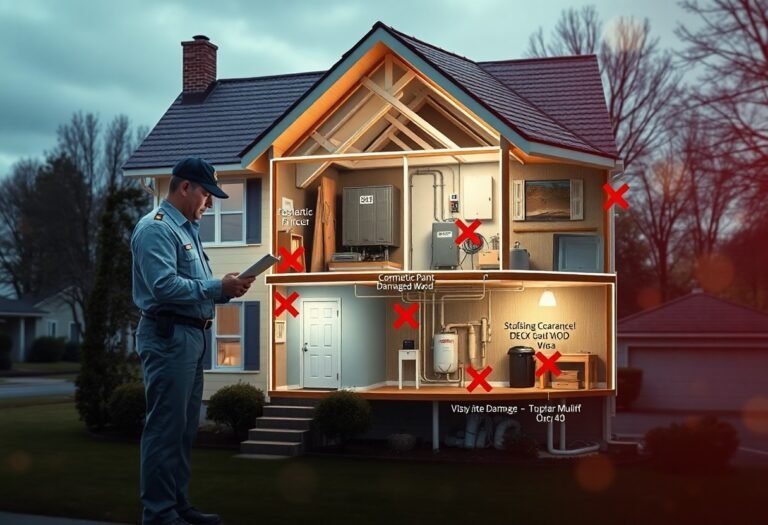
- Inspect structure, electrical, and plumbing or hire a pro to do it-don’t wait until demo. Finding hidden issues now is way cheaper than fixing them mid-project.
- Choose a timeline and plan for living arrangements – will you stay in or go out? Short jobs can spiral if trades overlap, so schedule key milestones and expect some flexibility.
- Vet contractors, check references, and get written estimates and clear contract terms. Lock down fixtures and finishes early to avoid decision delays and cost creep.
Seriously, how much is this gonna cost?
Once a friend showed me a contractor’s estimate that exploded after hidden repairs, so you need realistic cost expectations. You should get at least three bids, compare material and labor line-by-line, and set a firm maximum budget before signing anything. It’ll stop surprise numbers from wrecking the project.
The real deal about those hidden fees
Surprises in estimates show up all the time – permit fees, disposal charges, staging costs. You need each bid to spell out line items so you can spot padding or omissions. Ask contractors directly about permits, dumps, and subcontractor fees, and get everything written down so you’re not paying later for stuff you didn’t expect.
Why you’ve gotta have a just-in-case fund
Before you start, stash 10-20% of the project cost as your just-in-case fund – old wiring, mold, or unexpected demo pop up. You won’t enjoy tapping it, but when you have it you can keep the job moving and avoid frantic calls to patch the budget mid-build.
Picture a demo day when you uncover rotten subfloor and can’t pause for cash calls. You should open a separate contingency account or a low-interest construction line, label it only for surprises, and track withdrawals closely. How you handle those invoices is what keeps timelines sane and tempers calmer, not emergency scrambling.
My take on finding your actual style
Lately, the mix of sustainable touches and vintage finds has blown up, so you’ve probably noticed more blended styles everywhere. Figure out what you naturally like, colors, textures, mood, and stick with those cues when you shop, that way decisions get easier and your home starts to feel like you, not a magazine shoot.
Pinterest is cool but don’t get carried away
Sure, Pinterest’s great for inspiration, but you can drown in pretty pictures, what will actually work for your day-to-day? Pin less, pick more: test one idea at a time, see how it lives, and don’t copy a room blind.
Figuring out what’s non-negotiable for you
Define the things you won’t give up, layout needs, sunlight, storage, that killer sink, and budget around them, because once you know those lines, every choice gets clearer and faster.
Think about how you actually live: do you cook every night, host often, need quiet work space, or just want a low-maintenance pad? Prioritize those habits, then design around them so pretty things don’t get in the way of daily comfort. And yes, that means saying no to trends that clash with what makes you happy.
The boring stuff you actually can’t skip
30% of remodels stall because permits, budgets or measurements get overlooked; you should sort plans, budgets and timelines now so surprises don’t kill momentum later.
What’s the deal with all these permits?
85% of cities require permits for structural, electrical or plumbing changes, and if you skip them you risk fines, failed inspections and costly rework, so check local requirements before you demo anything.
Checking the rules before you start swinging hammers
Local building codes typically update every three years, so what passed on your last job might get rejected now; you need to verify zoning, setbacks and load-bearing rules before demo begins.
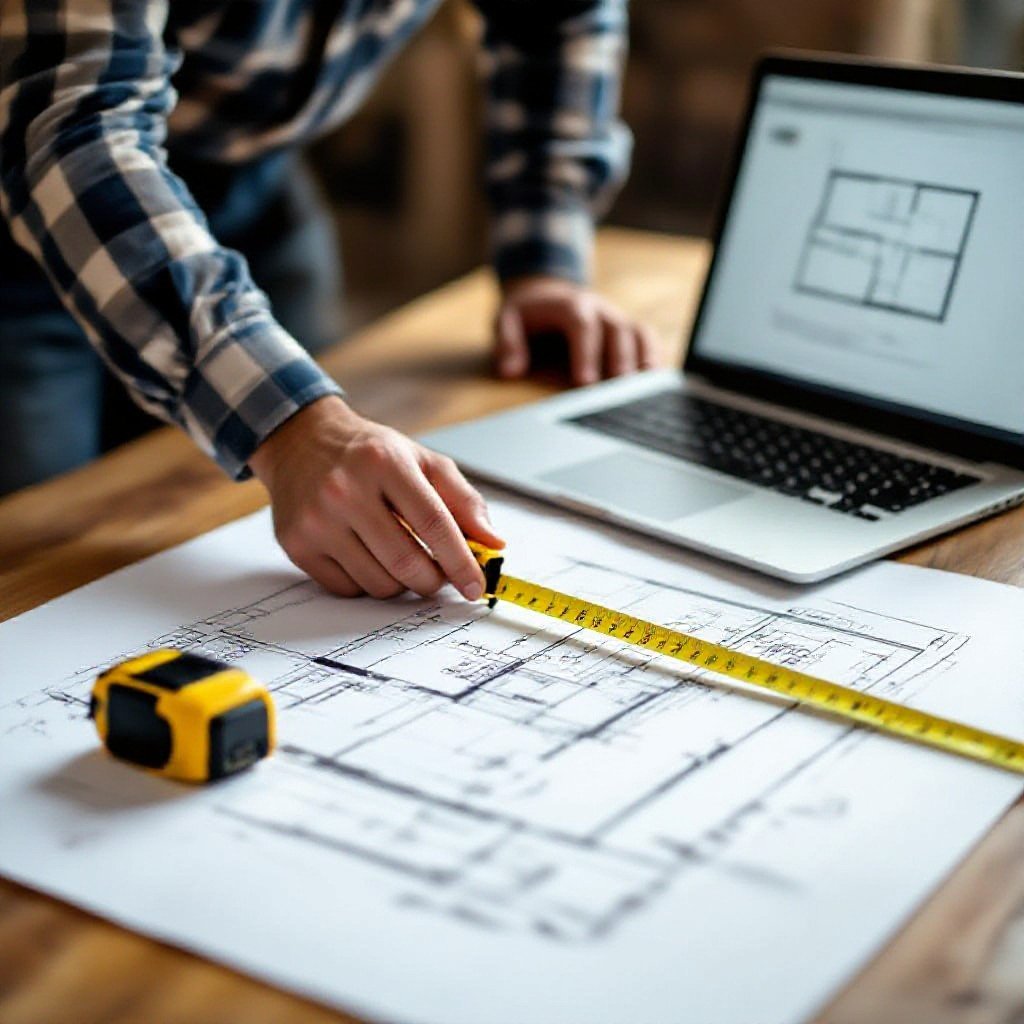
One-third of permit applications get flagged for missing details, so you should prepare clear drawings and specs before you apply. You can call the building department or pull the checklist online – ask about required inspections, timelines and who needs to be licensed. Don’t assume the inspector will cut you slack; schedule inspections into your build calendar.
Here’s the last-minute checklist for you
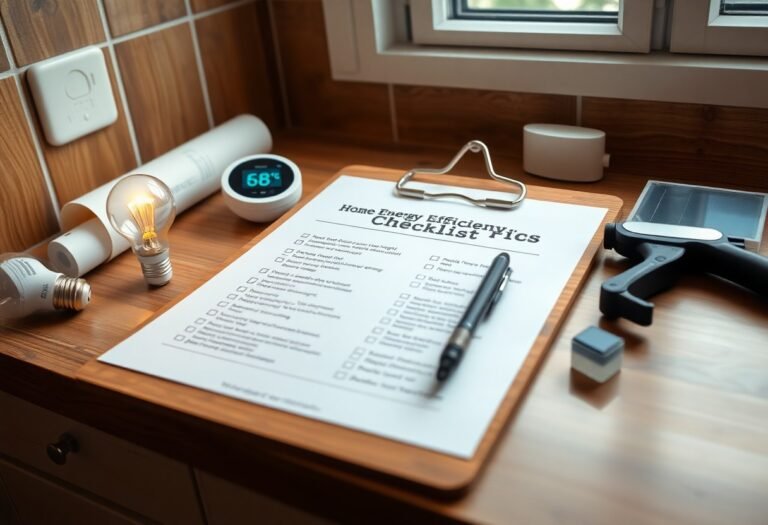
Like packing for a trip, you want a short checklist to avoid last-minute chaos. Grab phone, keys, permit papers, access instructions, and any critical measurements. Tick items off as you go. You’ll thank yourself when the crew shows up and everything’s where it needs to be.
Clearing the decks and protecting your stuff
Compared to leaving belongings out, you should clear work zones and move valuables to a safe spot. Cover furniture with breathable cloths, seal off vents if needed, and box small items. Tape labels to help you find things later, trust me, chaos explodes fast if you don’t.
Taking those before pics so you don’t forget
Unlike guessing later, you should photograph every angle, wide shots, close-ups of flaws, and measurements with a tape in frame. Snap timestamped photos on your phone, back them up to the cloud, and label folders so insurance or contractors can’t argue about the original condition.
Think of before photos like a legal and design time capsule; you’ll thank yourself later. Shoot wide shots from the doorway, close-ups of damage, and include a tape or ruler for scale. Walk through in video too, narrate quick notes out loud, then upload everything to cloud and a labeled folder. Send a copy to your contractor and insurer, so there’s no he-said-she-said down the line.
Summing up
The smartest move is to make a clear plan, set a realistic budget and check permits before you swing a hammer. Then get quotes, pick priorities and expect surprises – plan some wiggle room. Need help choosing what to tackle first? Ask a pro or start small to test ideas.

FAQ
Q: How should I set my goals and priorities before a remodel?
A: A lot of folks think you should start with pretty pictures or trends, but that’s putting the cart before the horse. Start by listing the problems you want fixed and the stuff you absolutely need – not just what looks good. What do you use every day? What annoys you the most?
Decide on your top three priorities and stick to them when choices get messy – they will get messy.
Don’t forget how the space needs to feel versus how it needs to work. That single line will save you money and headaches down the road.
Q: What’s the best way to create a realistic budget?
A: Many people think a rough guess will do, then they get blindsided by hidden costs. Take time to get at least two or three rough bids or price checks for big-ticket items and add a contingency – 10 to 20% is common. How much cushion? Pick a number you can live with if surprises show up.
Track decisions as you make them, because small choices add up fast – fixtures, finishes, permits, disposal.
Set aside some cash for “oh no” moments so you’re not derailed when something unexpected pops up.
Q: Do I need permits and how do I find out?
A: A lot of homeowners assume small jobs don’t need permits, and that’s risky. Call your city or county building department or check their website to see rules for structural, electrical, plumbing and HVAC work. HOA rules can add another layer, so don’t skip that call.
Hire a pro who knows local codes if you’re unsure – a good contractor will tell you what needs pulled and handle most of the paperwork.
Skip permits and you could face fines, forced undoing of work, or insurance headaches later on.
Q: Should I hire a contractor first or start buying materials and planning the design?
A: Tons of people rush out and buy gorgeous tile before checking feasibility, then regret it. Talk to a contractor or designer early if your project affects walls, plumbing, wiring or structure. They’ll save you from buying stuff that won’t fit or work with existing systems.
But do some homework yourself – collect ideas, measure roughly, and set a budget range so conversations with pros aren’t aimless.
Hire or consult a pro before you splurge on materials and you’ll avoid wasted cash and do-overs.
Q: What should I check in my home before demo or work begins?
A: Some folks think demo exposes everything, so why inspect first? That’s backwards and kinda expensive. Get basic inspections for structural issues, roof, plumbing, electrical and if your house is older, asbestos or lead tests – find problems before walls come down.
Take photos, move valuables, and plan where you’ll cook and sleep if the remodel disrupts daily life – it’s messy and longer than you imagine.
Find issues before you swing the hammer and you’ll save time, money, and a ton of stress.