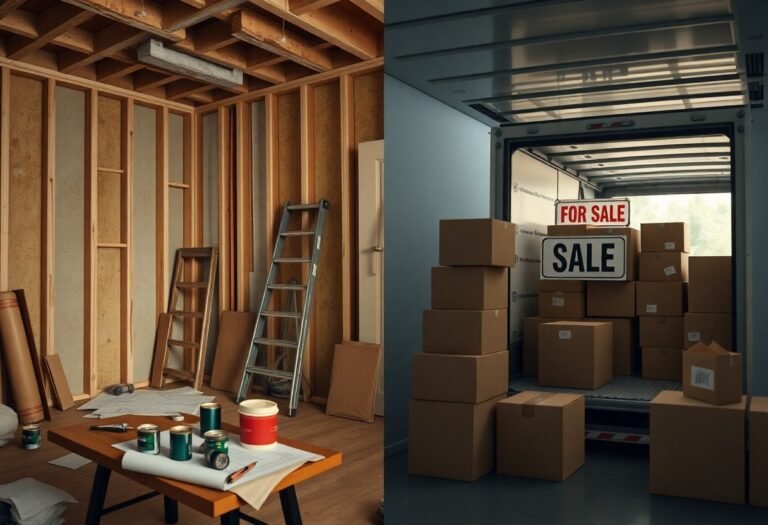

It’s natural to ask about cost, timeline, permits, and contractor selection when you renovate; this guide gives concise answers so you can plan confidently and avoid common pitfalls.
Key Takeaways:
- Budget and costs: Expect wide price ranges by scope, include a 10-20% contingency, and get multiple written estimates.
- Timeline and disruption: Projects commonly run over schedule; plan for delays, temporary living arrangements, and phased work.
- Permits and codes: Structural, electrical, and plumbing changes often need permits-check local rules early to avoid fines and rework.
- Hiring and responsibilities: Verify licenses, insurance, references, and a clear contract that covers scope, payment schedule, and warranties.
- ROI and priorities: Prioritize upgrades that boost function or resale value, and budget for unexpected issues uncovered during work.
Budgeting and Financial Planning
Budgeting helps you assign funds, set priorities, and avoid overspending by tracking estimates against actual costs and scheduling payments to contractors.
Establishing Realistic Cost Estimates
Estimate costs using multiple quotes, local pricing, and clear scopes so you can compare realistic bids and avoid surprises.
Managing Contingency Funds for Unexpected Expenses
Maintain a contingency equal to 10-20% of project costs so you can cover unseen issues without derailing timelines or quality.
If you track contingency spending separately, you can authorize small overruns quickly, reprioritize nonvital upgrades, and seek cheaper fixes before tapping savings.
Permits and Legal Requirements
Permits protect you from fines and ensure work meets code; check with your municipal building department before starting and include your contractor in permit filings to avoid stop-work orders or costly rework.
Identifying Necessary Local Building Permits
Find required permits by taking your project plans to the local building office, verifying structural, electrical or plumbing approvals, and confirming scheduled inspections so work proceeds without delays.
Ensuring Compliance with Zoning Laws and HOA Rules
Check zoning rules and HOA covenants early, since setbacks, height limits, or exterior changes may be restricted; submit plans to your HOA and local planning office to secure approvals.
You should request written zoning interpretations for unusual projects, apply for variances when setbacks or height limits block your plans, allow time for HOA architectural review, and keep approval documents to prevent fines or mandated reversals.
Selecting the Right Professionals
You should prioritize proven experience, clear communication, and transparent contracts when picking pros; verify licenses, insurance, and local references to avoid surprises.
Vetting General Contractors and Architects
Ask for multiple bids, written scopes, and schedules; contact past clients and inspect finished work to confirm quality and reliability.
Understanding the Scope of Design-Build Services
Clarify whether the team handles design, permitting, and construction under one contract so you know who is accountable and how changes affect cost and timeline.
Compare fixed-price design-build bids to separate design and construction contracts to see where risk and flexibility lie; ask about subcontractor selection, warranty, and dispute-resolution terms.
Material Selection and Sourcing
Material selection affects cost, longevity, and maintenance; you should prioritize locally available options, request samples, and compare warranties before committing to bulk orders.
Prioritizing Durability vs. Aesthetic Appeal
Decide whether you need long-term performance or striking visuals; you can allocate durable materials to high-traffic zones and reserve more delicate, stylish finishes for low-use areas to control upkeep and cost.
Managing Lead Times and Supply Chain Delays
Plan for supplier delays by ordering early, choosing stocked alternatives, and building buffer time into your schedule so you don’t stall contractors.
Track lead times by asking suppliers for confirmed production and ship dates, requesting progress photos, and securing written delivery windows; you can arrange staged deliveries, pay deposits to hold slots, and identify local backups for critical fixtures so a single delay doesn’t derail the whole project.
Project Timelines and Scheduling
Timing sets expectations: you should build buffers for permits, material lead times, and inspections, communicate the schedule with your team, and prepare contingency plans to keep work moving.
Setting Realistic Milestones for Each Phase
Break the scope into short milestones with clear deliverables; you should set deadlines with contractor input, allow review windows, and factor in buffer days so you can track progress and address issues before they snowball.
Factoring in Seasonal and Weather Disruptions
Expect seasonal shifts to change task order: you should schedule exterior work in dry months, prioritize indoor finishes when weather is poor, and add contingency days for storms or temperature delays.
Weather influences material performance and crew schedules, so you should review local climate patterns, confirm acceptable temperature and humidity ranges for paint, concrete, and adhesives, arrange secure storage for supplies, plan temporary protections for exposed areas, and keep a flexible sequence so rescheduling a wet-weekend task doesn’t cascade into major timeline slips.
Conclusion
Drawing together the most common renovation questions, you receive clear answers about budgets, timelines, permits, materials, and contractor hiring so you can plan confidently, reduce risks, and make informed decisions that keep projects on time and within cost.
FAQ
Q: How much will a typical home renovation cost?
A: Costs vary by scope, location, materials, and labor. Small projects like repainting or new flooring often run $1,000-$10,000. Mid-range kitchen or bathroom remodels commonly fall between $10,000-$50,000. Full gut renovations or additions can exceed $100,000. Permit fees, contractor markups, specialty trades, and high-end finishes push totals higher. Use a per-square-foot baseline for quick estimates (local averages help), and get three written quotes to compare. Set aside a contingency of 10-20% for unexpected expenses.
Q: How long will the renovation take?
A: Timeline depends on project size and permitting. Cosmetic updates can finish in days to weeks. Typical kitchen remodels take 6-12 weeks from demo to final touches. Full gut renovations and additions often need 3-6 months or longer. Permit review, material lead times, inspection scheduling, and subcontractor availability cause most delays. Create a project schedule with your contractor, confirm long-lead items early, and book inspections as soon as work reaches the required stages.
Q: Do I need permits and inspections?
A: Most structural changes, electrical, plumbing, and major HVAC work require permits and inspections. Cosmetic work like painting or simple flooring usually does not. Unpermitted work can lead to fines, failed resale inspections, or required removal. Check local building department rules or ask a licensed contractor to obtain permits on your behalf. Keep permit records and inspection certificates for future buyers.
Q: Should I hire a contractor or do the work myself?
A: Assess skill level, time, and risk. Homeowners with construction experience can save money on simple projects, but complex tasks-structural framing, major electrical, plumbing, and gas work-are safer and often legally required to be done by licensed pros. Contractors provide project management, trade coordination, permits, warranties, and insurance coverage. Obtain references, verify licenses and insurance, and get a written contract that outlines scope, milestones, payment schedule, and change-order procedures.
Q: How do I handle unexpected problems and hidden costs?
A: Expect surprises in older homes: hidden water damage, outdated wiring, mold, or structural issues. Begin with inspections where possible-roof, foundation, pest, and condition reports reduce unknowns. Require detailed written estimates and specify how change orders are approved and priced. Maintain a contingency fund of 10-20% and prioritize fixes that affect safety or code compliance. Pause work to get documented change orders for major discoveries and keep communication frequent with your contractor.