Efficiency begins with a targeted checklist that helps you seal leaks, upgrade insulation and appliances, improve HVAC performance, and track energy use to lower bills and boost comfort.
Key Takeaways:
- Energy audit identifies air leaks, insulation gaps, and inefficient systems, enabling a prioritized checklist based on cost-effectiveness and expected savings.
- Air sealing and adding insulation (attic, walls, foundations) deliver the largest energy savings per dollar in most homes.
- Upgrade or maintain HVAC systems, water heaters, and ductwork; install a programmable or smart thermostat for better control and comfort.
- Implement low-cost, high-impact fixes first: LED lighting, weatherstripping, caulking, outlet insulation, and replacing old appliances with ENERGY STAR models.
- Check local rebates, tax credits, and financing options; verify results with a blower-door test or energy monitor after upgrades.
The Building Envelope: Insulation and Air Sealing
Your home’s building envelope determines heat loss: target attic, walls, and foundation with balanced insulation and airtight seals to cut drafts and lower bills.
Identifying and Mitigating Critical Air Leaks
Check common leak sites – windows, doors, recessed lights, and attic hatches – and use caulk, weatherstripping, or spray foam to seal gaps and stop air infiltration.
Evaluating R-Value Standards for Attics and Walls
Compare current insulation R-values to regional recommendations and upgrade attic and wall insulation where values fall short to improve comfort and reduce energy use.
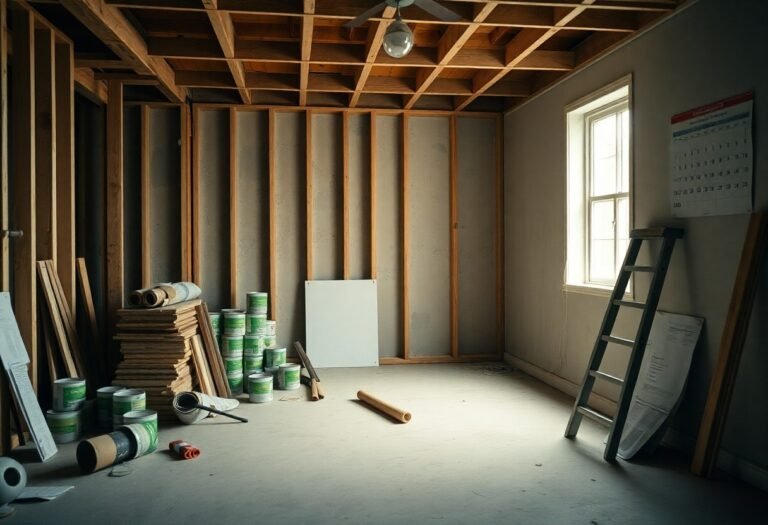
Higher R-values in attics typically deliver the biggest savings, so you should prioritize bringing attic insulation up to or above your climate zone’s recommended level; then assess wall cavities, rim joists, and exterior sheathing for gaps and consider blown-in cellulose or spray foam for retrofits while preserving ventilation and controlling moisture.
HVAC Optimization and Climate Control
Optimizing your HVAC reduces energy waste and keeps comfort consistent; inspect ducts, seal leaks, change filters, and verify proper insulation to lower load and run cycles less often.
High-Efficiency Heating and Cooling System Maintenance
Servicing high-efficiency systems on schedule keeps performance near manufacturer specs and prevents costly breakdowns, so you sustain efficiency and extend equipment life.
Implementing Smart Thermostat Schedules for Peak Performance
Programming your smart thermostat to match occupancy and temperature preferences reduces runtime and cuts bills without sacrificing comfort.
Use your smart thermostat to create layered schedules: set energy-saving setbacks during work hours, preheat or precool ahead of your return, and enable zoning or multi-stage controls for efficient comfort. Combine occupancy sensors or geofencing with temperature bands and set minimum runtime limits so you avoid short cycling. Track performance data weekly and adjust setback depth by season to maximize savings without sacrificing comfort.
Windows and Doors: Enhancing the Thermal Barrier
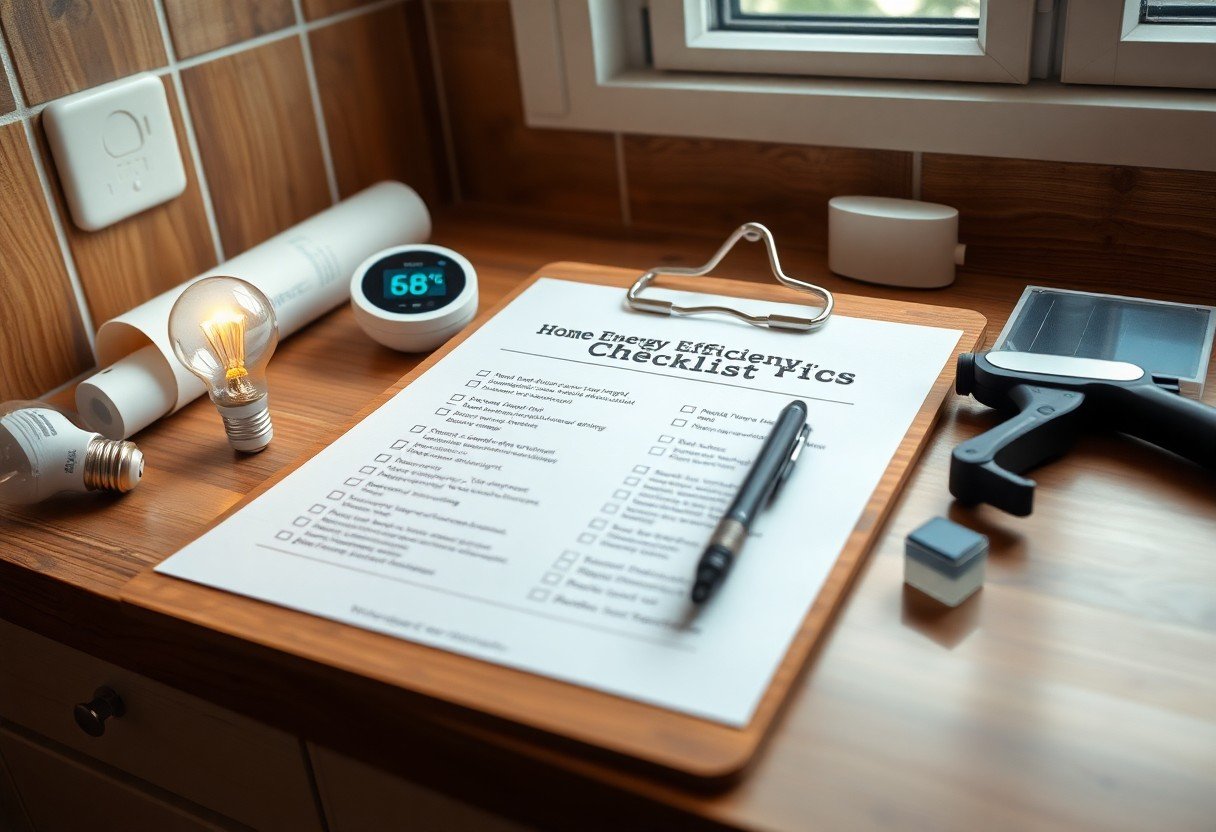
You can cut drafts and energy loss around windows and doors by upgrading glazing, improving seals, and choosing insulated frames; consult the Home Energy Efficiency Checklist – Fix It!® Handyman for detailed steps.
Upgrading to High-Performance Glazing and Frames
Upgrade to low-E double- or triple-pane glazing and thermally broken frames to reduce heat transfer and condensation; you’ll notice lower heating and cooling bills and improved comfort year-round.
Professional Weatherstripping and Threshold Sealing Techniques
Seal common leak paths with adhesive-backed V-strip, foam tape, or compression gaskets and install adjustable thresholds so you can stop drafts and limit moisture infiltration effectively.
Hiring a professional ensures accurate gap measurements, proper substrate preparation, and the right seal profile for door movement; they will anchor thresholds to a leveled sill, route seals for compression, and verify results with smoke or infrared testing so you get durable performance and fewer callbacks.
Electrical Efficiency and Appliance Management
Electrical efficiency and appliance management reduce bills and strain on circuits; you should prioritize high-use devices, install timers and smart controls, and schedule regular maintenance to keep systems operating efficiently.
Transitioning to Energy Star Certified Appliances
Switching to Energy Star certified appliances lowers energy use and operating costs; you should weigh upfront price against estimated annual energy consumption and replace the biggest energy users first.
Eliminating Standby Power and Phantom Loads
Unplugging chargers and using smart power strips prevents phantom loads from draining energy; you should identify always-on gadgets, disable unused features, and consolidate devices on switched strips.
You can measure standby draw with a plug-in watt meter, label high-draw standby devices, and set routines so power strips switch off during sleep hours; small reductions add up over months.
Lighting and Smart Home Integration
You should prioritize efficient fixtures and smart controls to cut energy use and simplify schedules; swap incandescent bulbs, set scenes for occupancy, and integrate lighting with thermostats and sensors for coordinated savings.
Comprehensive LED Retrofitting Strategies
Start by replacing remaining halogen and CFL lamps with high-efficiency LEDs, match color temperature to room function, confirm lumen output, and choose ENERGY STAR-rated bulbs to maximize life and reduce overall power draw.
Utilizing Automated Lighting Controls and Motion Sensors
Install timers, dimmers, occupancy and vacancy sensors, and daylight-harvesting controls to cut wasted lighting; program scenes, set appropriate timeouts, and tie sensors into your smart home hub for centralized management.
When you configure sensors, position passive infrared units to cover entry paths and ultrasonic sensors for open areas while avoiding heat sources or windows to prevent false triggers. You should use vacancy sensors where incidental motion is common, set sensitivity and delay appropriately, and group fixtures into zones so scenes and schedules cut consumption. Integrate controls with your hub for geofencing, adaptive daylight harvesting, and energy reporting so you can fine-tune settings and track real savings.
Summing up
Drawing together the best home energy efficiency checklist helps you prioritize insulation, sealing, efficient heating and cooling, lighting, and appliance upgrades so you cut costs and reduce waste; follow measurable steps, schedule audits, and track savings to maximize comfort and long-term value.
FAQ
Q: What should a comprehensive home energy efficiency checklist include?
A: A thorough checklist covers air sealing, insulation, windows and doors, heating and cooling system performance, duct condition, water heating efficiency, lighting and appliance efficiency, thermostat and controls, and ventilation. Inspect attic, walls, floors and basement for missing or compressed insulation and seal gaps around chimneys, recessed lights, plumbing penetrations and exterior walls. Test doors and windows for drafts, repair or add weatherstripping, and consider low-e storm windows where appropriate. Check HVAC filters, schedule professional tune-ups, verify duct tightness and insulation, and confirm correct thermostat settings or install a programmable/smart thermostat. Evaluate water heater setpoint and insulation, replace incandescent bulbs with LEDs, upgrade to ENERGY STAR appliances when practical, and assess ventilation to avoid moisture and indoor-air-quality problems.
Q: Which checklist items can I do myself and when should I hire a professional?
A: Do-it-yourself tasks: install and replace weatherstripping and door sweeps, caulk obvious gaps, add outlet and switch foam gaskets, replace air filters, swap incandescent bulbs for LEDs, lower water heater temperature to 120°F, and install a programmable thermostat. Use a candle or smoke test to find major drafts and a simple insulation gauge or probe to estimate attic insulation depth. Hire a professional for attic or wall insulation upgrades that require access or blower-door-assisted dense-pack cellulose, duct sealing or invisible leaks detected with a blower door, HVAC repairs or refrigerant handling, electrical panel work, window replacement, and comprehensive energy audits that include thermography and blower door testing.
Q: Which energy efficiency upgrades provide the biggest savings first?
A: Low-cost, high-impact actions typically save the most quickly: air sealing around doors, windows and penetrations; adding attic insulation to meet recommended R-values for your climate; switching to LED lighting; and installing a programmable or smart thermostat. Mid-cost upgrades with moderate payback include sealing and insulating ducts, upgrading to a high-efficiency heat pump or furnace, and insulating hot water pipes or upgrading the water heater. High-cost items like whole-home window replacement and major HVAC replacement deliver long-term savings but require longer payback periods. Prioritize measures by cost, local climate, current home condition and available rebates to maximize return.
Q: What tools and materials do I need to complete a typical checklist?
A: Basic tools: caulk gun and exterior/interior caulk, weatherstripping, door sweeps, expanding foam for larger gaps, utility knife, tape measure, insulation materials (batts or rolls), protective gear for attic work (gloves, goggles, mask), screwdrivers and drill, and a ladder. Helpful diagnostic tools: infrared thermometer or thermal camera, smoke pencil or incense stick for draft detection, blower door for professional air-leak measurement, and an insulation depth ruler. Materials for HVAC and ducts include foil tape, mastic sealant, and duct insulation. LED bulbs and programmable thermostats are simple upgrade items that require minimal tools.
Q: How can I measure savings and verify that checklist improvements worked?
A: Track monthly energy bills for 12 months before and after upgrades while accounting for weather variations using heating and cooling degree-day data. Install a whole-home energy monitor or smart meter to see real-time kWh and identify changes in system run times. Use an infrared camera or thermography to confirm reduced cold spots and better insulation coverage. Consider a professional pre- and post-blower door test to quantify air leakage reduction (ACH50). Calculate estimated savings with online calculators and compare actual usage against modeled expectations. Retain documentation of work and receipts to qualify for rebates and tax incentives.