
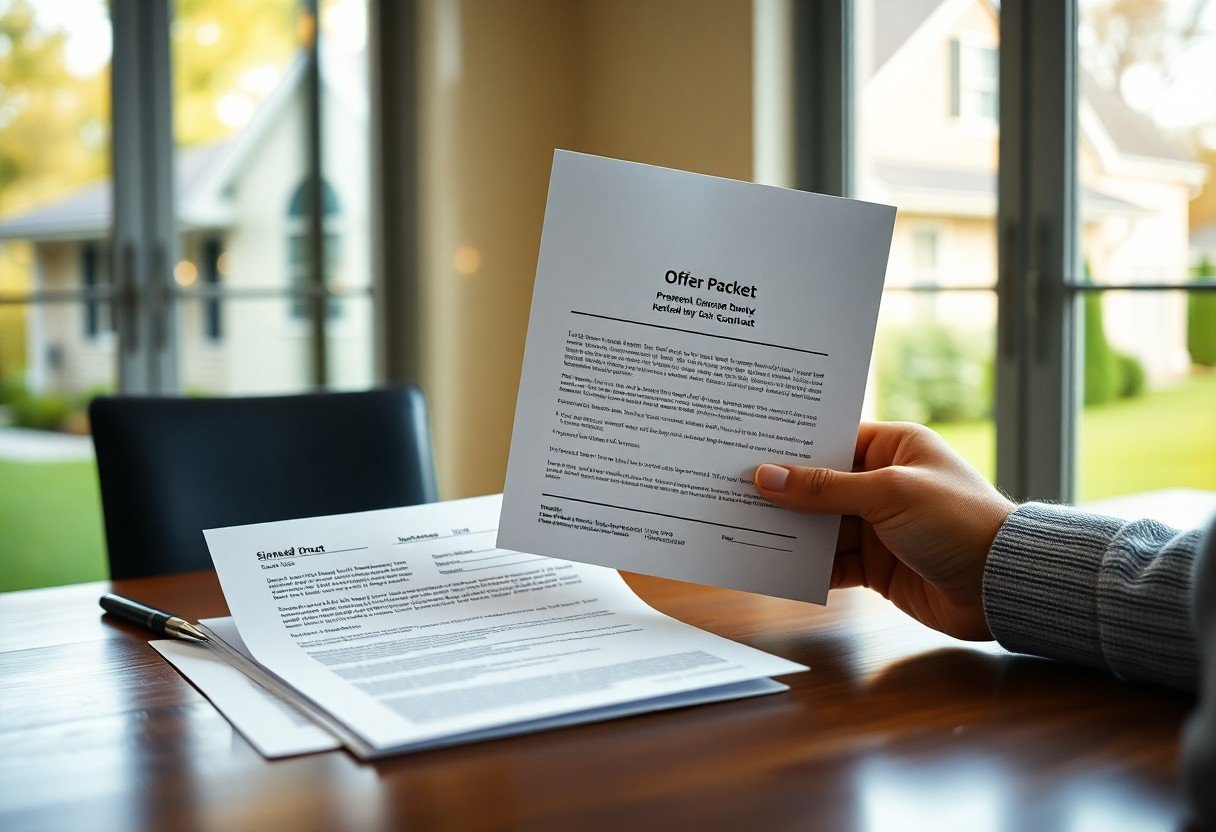
You make a strong offer by researching comparable sales, securing mortgage pre-approval, offering a fair yet competitive price, limiting contingencies, and collaborating with an experienced agent to convey seriousness and expedite closing.
Key Takeaways:
- Offer a competitive price based on recent comparable sales and current market demand; consider bidding above list price in multiple-offer situations.
- Obtain a mortgage pre-approval and include proof of funds to demonstrate the ability to close quickly and reliably.
- Limit contingencies (inspection, appraisal) and propose a shorter or flexible closing timeline to appeal to the seller.
- Include favorable non-price terms such as higher earnest money, flexible possession dates, or a concise personal letter to the seller.
- Work with an experienced agent to use escalation clauses, set strategic offer increments, and communicate directly with the listing agent.
Financial Readiness and Pre-Approval
You should reduce debt, check your credit, and gather pay stubs, W-2s, and recent bank statements so lenders can pre-approve you quickly and your offer stands out.
Securing a Verified Mortgage Pre-Approval Letter
Obtain a verified pre-approval letter from a reputable lender that specifies loan type and amount, includes lender contact, and reflects recent income and asset verification to reassure sellers.
Demonstrating Proof of Funds for Down Payments and Closing Costs
Show proof of funds with recent bank or brokerage statements, a cashier’s check, or escrow confirmation dated within 30-60 days to prove you can cover down payment and closing costs immediately.
Provide clear, current documentation showing liquid assets-bank or brokerage statements, certified cashier’s checks, or a lender-issued escrow deposit confirmation; include a signed gift letter and source records for gifted funds, explain any large deposits, and redact account numbers so underwriters and sellers can verify funds quickly and confidently.
Analyzing Market Conditions and Comparables
| Recent Sales & Inventory | Buyer vs Seller Market |
| Compare recent closed-sales prices, days on market, and current listings to set a competitive offer you can justify to sellers and agents. | Assess whether low inventory or high buyer demand gives sellers the advantage, or if excess supply lets you press for concessions and lower price. |
Evaluating Recent Sales and Local Inventory Trends
You should analyze comparable closed sales, active listings, and time-on-market to gauge fair price and urgency; this helps craft an offer sellers accept.
Distinguishing Between Buyer’s and Seller’s Market Dynamics
Identify whether demand outpaces supply or vice versa, then adjust offer strength, timing, and contingencies to match market pressure and seller expectations.
Expect a seller’s market to require higher bids, fewer contingencies, and faster closings, so secure pre-approval, be flexible on dates, and consider escalation clauses; in a buyer’s market you can request repairs, include inspection contingencies, and push for price reductions. Track sale-to-list ratios, days on market, and active inventory to align your offer with prevailing leverage.
Strategic Pricing and Escalation Clauses
Strategy guides your offer amount and escalation use: set a competitive price based on comps, cap escalation exposure, and present clear terms to win without overpaying.
Determining a Competitive Bid Based on Fair Market Value
Analyze comparable sales, days on market, and recent upgrades so you set a bid that reflects fair market value while remaining attractive to the seller and within your budget.
Utilizing Escalation Clauses to Outpace Competing Offers
Include an escalation clause that raises your offer incrementally up to a cap, specify proof required, and set increments small enough to outbid others without overspending.
Review how escalation clauses require a clear top price, defined increment, and proof mechanism; you should cap exposure, plan for appraisal gaps, confirm the seller accepts escalation language, and coordinate with your lender and inspector to avoid last-minute issues.
Minimizing and Managing Contingencies
Cutting unnecessary contingencies makes your offer stronger; consult 12 Tips to Make Your Real Estate Offer Irresistible for tactics like tailored inspections, higher earnest money, and flexible closing dates that still protect your interests.
Streamlining Inspection and Appraisal Timelines
Scheduling tighter inspection and appraisal deadlines signals seriousness; you should coordinate with your lender, inspector, and seller to shorten windows while keeping important safeguards in place.
Balancing Risk When Waiving Specific Protection Clauses
Weighing which protections to waive requires care; you can stay competitive by narrowing or capping waivers and consulting your agent and attorney before removing financing or repair contingencies.
Consider specific strategies to limit risk when you waive clauses: keep a short, detailed inspection contingency rather than a full waiver, set a monetary cap on repair requests, require seller disclosures, or purchase a short-term home warranty; you should have counsel review any waiver language so you fully understand remaining liabilities and remedies.
Strengthening the Offer with Earnest Money
Earnest money shows sellers you’re serious and can make your offer stand out; you should consult your agent to set a competitive deposit and ensure funds are deposited promptly to signal commitment without overextending your cash flow.
Increasing Deposit Amounts to Signal Financial Commitment
Raising your deposit signals stronger financial backing and can sway sellers; you should balance a larger deposit with keeping emergency funds and outline terms in writing so you don’t risk losing more than intended.
Understanding the Implications of Non-Refundable Deposits
Accepting a non-refundable deposit can make your offer more attractive, but it reduces your ability to back out; you should confirm which contingencies apply, get deadlines in writing, and weigh potential loss against competitive advantage before agreeing.
Review escrow terms and contingency language carefully so you know when the non-refundable deposit becomes forfeitable; you should clarify inspection, appraisal, and financing protections, document seller remedies, and set clear timelines to limit unexpected losses.
Offering Flexible Closing and Possession Terms
You can make your offer more appealing by accommodating the seller’s preferred closing and possession dates, balancing speed and convenience to reduce friction. Flexibility on move-out timing, earnest money release, or short-term possession signals cooperation and may tip negotiations in your favor without inflating price.
Aligning the Timeline with the Seller’s Moving Needs
Match your closing date to the seller’s moving schedule, offering earlier or later closings as needed so they won’t feel rushed. You should specify clear possession timing and contingencies to avoid disputes and demonstrate respect for their transition.
Considering Rent-Back Agreements for Seller Convenience
Offer a short-term rent-back that lets the seller remain after closing for a negotiated daily rate and clear move-out deadline, which can make your offer more attractive.
If you pursue a rent-back, put terms in the purchase contract: set the exact occupancy period, daily rent or holdback amount, security deposit, utility responsibilities, insurance and liability coverage, condition inspection, and rights to access. Clear termination clauses and a signed occupancy addendum protect you from unexpected costs or delays while keeping the seller comfortable.
Conclusion
Upon reflecting, you should secure mortgage preapproval, set a competitive price, include a strong earnest-money deposit, limit contingencies, propose a realistic closing timeline, write a brief personal letter, and partner with an experienced agent to present a confident, clean offer.
FAQ
Q: How do I prepare financially to make a strong offer on a house?
A: Get a mortgage pre-approval letter from a lender and gather proof of funds for your down payment and earnest money. Improve your credit score and lower debt-to-income ratio before submitting offers, since stronger financials reduce the chance of lender setbacks. Keep additional cash reserves available for appraisal gaps, closing costs, and unexpected repairs so your offer remains credible.
Q: How much should I offer above the listing price in a competitive market?
A: Base your offer on recent comparable sales, days on market, and local demand rather than a flat percentage above list price. Use an escalation clause to automatically increase your offer up to a predetermined cap when outbid, and include an appraisal gap provision if you can cover shortfalls between appraisal and offer. Set a maximum price that fits your budget to avoid overpaying during bidding wars.
Q: What contract terms can make my offer more attractive besides price?
A: Offer a larger earnest money deposit, choose a closing date that matches the seller’s timeline, and shorten the inspection and financing contingency periods if you can tolerate the risk. Provide a clean contract with minimal seller requests, submit proof of funds and pre-approval up front, and consider a seller rent-back or paying some closing costs to meet seller needs. Use a letter of explanation for any financing quirks, signed and verified by your lender.
Q: Should I waive the inspection or other contingencies to win a bid?
A: Waiving inspections or financing contingencies can make your offer stand out but carries real risk of costly repairs or loan denial. Limit waivers to situations you understand well, such as waiving minor repair requests after a thorough pre-offer inspection, or using an “inspection for informational purposes only” clause that preserves title and financing protections. Discuss backup plans with your agent and lender before removing protections from the contract.
Q: How does my real estate agent help make the strongest offer?
A: A seasoned agent crafts a clean, professionally prepared contract, presents a compelling cover letter and supporting documents, and communicates directly with the seller’s agent to learn seller priorities. The agent recommends appropriate escalation strategies, helps calculate an appraisal-safe offer, coordinates pre-offer inspections or lender verifications, and negotiates terms that balance competitiveness with acceptable risk. Use an agent who knows the local market and has a track record of winning offers in similar situations.