
With a clear budget and lender preapproval, you can buy a city home methodically: research neighborhoods, schedule showings, secure financing, make an informed offer, complete inspections, and close the sale with professional guidance.
Key Takeaways:
- Assess your finances: calculate budget, check credit score, and save for a down payment plus closing costs.
- Get mortgage pre-approval to determine borrowing limits and strengthen offers to sellers.
- Research city neighborhoods, transit, schools, crime rates, commute times, and local property taxes before choosing an area.
- Work with a local real estate agent, tour properties in person, and submit competitive offers with clear contingencies and earnest money.
- Complete inspections, secure homeowners insurance, finalize loan documents, attend closing, and perform a final walk-through before moving in.
Financial Preparation and Budgeting
Plan your monthly housing budget to cover mortgage, property taxes, insurance, utilities and maintenance; in City, factor local tax rates and commuting costs so you set a realistic affordability limit and protect your emergency savings.
Assessing Credit Health and Down Payment Requirements
Check your credit report, dispute errors, and calculate a down payment target-usually 3-20% depending on loan type; in City, higher prices may push you toward larger down payments to lower monthly costs and qualify for better rates.
Securing a Formal Mortgage Pre-Approval
Obtain a formal pre-approval by submitting income, asset and employment documents so you know your loan ceiling, appear competitive to sellers in City markets, and speed up offer acceptance when you find the right home.
Before you submit offers, get a written pre-approval rather than a verbal quote: lenders verify income, assets and employment, issue a conditional loan amount, and note any exceptions. You should confirm the expiration date, rate-lock options and required paperwork so your offer in City buyers’ markets carries weight and moves quickly to closing once accepted.
Navigating the Local Market Landscape
You should monitor City listings, recent sales, and time-on-market to judge pace and pricing; watch zoning changes and development plans that affect value.
Identifying Target Neighborhoods and Property Trends
Compare City neighborhoods by commute, schools, amenities and resale potential; track price trends and inventory shifts weekly to refine your targets.
Selecting a Specialized Local Real Estate Agent
Choose an agent who knows City micro-markets, negotiates firmly, and has verified sales in your target neighborhoods; verify references and communication style.
Ask for an agent’s recent comparable sales in City, a clear marketing plan, client testimonials, and examples of successful negotiations; meet to evaluate responsiveness, local network, and strategy so you can make an informed hiring decision.
The Property Search and Selection Process
City neighborhoods vary, so you should map commute times, school ratings, crime data and resale potential to focus your property search; filter listings by price, condition and location to build a realistic shortlist.
Defining Essential Home Features and Must-Haves
Identify your nonnegotiables-bedrooms, yard size and transit access-and rank wants versus needs so you can swiftly eliminate unsuitable listings across the city.
Conducting Rigorous On-Site Property Evaluations
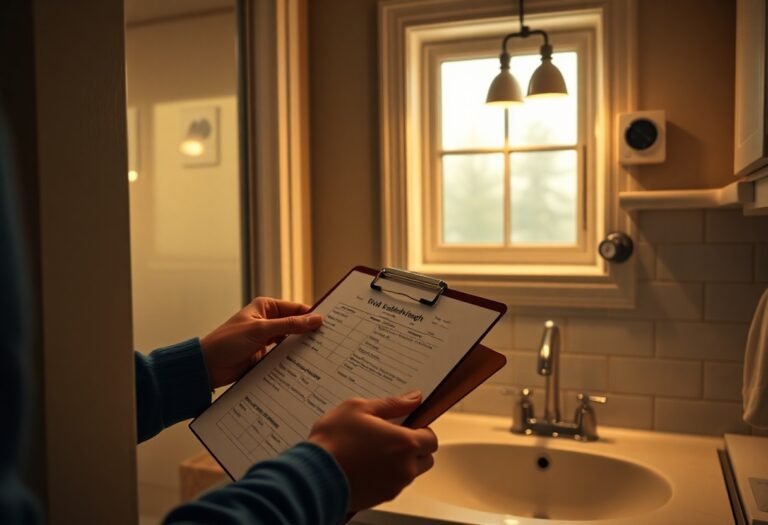
Inspect structure, roof, plumbing and electrical systems; test appliances, check for water stains, measure sunlight and note street noise so you can estimate repair needs before bidding.
During visits bring a checklist, tape measure and camera, ask the agent about recent repairs, observe neighbors’ activity and record anything a professional inspector should examine later.
Crafting and Negotiating a Strategic Offer
You should craft an offer tuned to City market trends, balancing competitive price with strong earnest money, realistic closing timelines, and limited seller-facing contingencies to increase acceptance odds against similar bids.
Performing Comparative Market Analysis for Pricing
Compare recent closed sales, active listings, and price per square foot in the City to determine a realistic offer range, adjusting for condition, upgrades, lot size, and neighborhood demand.
CMA Snapshot
| Factor | Why it Matters |
|---|---|
| Recent closed sales | Sets market-supported price expectations |
| Active listings | Shows current competition and pricing trends |
| Price per sq ft | Allows apples-to-apples comparisons by size |
Structuring Contract Terms and Contingencies
Tailor contract terms to the City market and seller priorities: inspection period, financing contingency, appraisal gap protection, earnest money amount, and closing date flexibility can make your bid more attractive.
Specify inspection and financing contingencies clearly and set firm response deadlines; include appraisal gap or escalation clauses only when justified, define repair scopes or credit allowances, and state occupancy and possession terms to avoid disputes. State deposit release conditions and coordinate timing with your lender and title company so you meet the seller’s expectations in the City transaction.
Executing Due Diligence and Inspections
Executing due diligence in City makes sure you identify structural, environmental, and permit issues before closing; you coordinate timelines, review reports, and condition your offer on inspection outcomes to protect your investment and bargaining position.
Coordinating Professional Structural and Systems Inspections
Schedule licensed inspectors for foundation, roof, HVAC, plumbing, and electrical systems; you should attend, request detailed reports, and ask for repair estimates so you can compare costs against your offer and negotiate repairs or credits.
Reviewing Legal Disclosures and Title History
Examine seller disclosures, permit records, and title history in City to uncover liens, easements, or unpermitted work; you should consult a title company or real estate attorney to resolve issues before closing.
You should order a full title search and municipal permit check in City, review the chain of title for gaps, and verify there are no outstanding liens, unpaid taxes, or judgments; confirm any easements or restrictive covenants and that past renovations had proper permits. Engage a title company and real estate attorney to cure defects, secure title insurance, or arrange escrow holdbacks prior to closing.
Finalizing the Purchase and Closing
Closing in your City means you and the seller sign final papers, your lender confirms funding, and you wire closing costs and down payment; consult community tips at Is there a step-by-step guide to buying a house for local experiences.
Completing the Mortgage Underwriting and Appraisal
Underwriting in your City will verify income, assets and title while the appraisal confirms value; you should respond quickly to lender requests and supply any documents to avoid delays.
Executing Final Documentation and Fund Transfer
You sign the closing statement, authorize the mortgage, and arrange the wire transfer; confirm wiring instructions in writing and bring required ID to the City closing office.
Confirm wire details directly with your title company or lender using a verified phone number, bring a cashier’s check or arrange an ACH per City rules, provide proof of homeowners insurance, and review the final Closing Disclosure for fees and prorations before signing so funds transfer and recording proceed without last-minute issues.

Conclusion
Taking this into account, you can follow the step-by-step homebuying process-assess finances, secure pre-approval, work with an agent, tour listings, make an offer, inspect and close-to buy a city home confidently while minimizing surprises and protecting your investment.
FAQ
Q: What are the first steps to buy a home in the city?
A: Check your credit score, income, and savings to determine what you can afford. Get a mortgage pre-approval to show sellers you are a serious buyer and to set a realistic price range. Research city neighborhoods for commute times, transit access, noise levels, parking rules, and nearby amenities. List non-negotiables such as building type, number of bedrooms, and proximity to work or schools. Find a local buyer’s agent who understands urban market cycles, building codes, and common city issues like co-op rules or condo bylaws.
Q: How do I handle financing and mortgage pre-approval for a city purchase?
A: Compare fixed-rate and adjustable-rate mortgage options and choose a loan term that matches your plans. Save for a down payment and closing costs; urban properties often come with higher purchase prices and reserve requirements for condos. Shop multiple lenders for rates and fees and request Loan Estimates to compare offers. Complete the pre-approval with pay stubs, tax returns, bank statements, and identification to speed up offers. Ask about local first-time buyer programs, down payment assistance, or tax abatements available in the city.
Q: What should I inspect and check during property viewings in a city?
A: Check the unit for water stains, mold, cracks, peeling paint, and persistent odors. Test water pressure, hot water, HVAC operation, and appliances during the visit. Ask the building manager or HOA for recent maintenance records, reserve fund status, special assessments, and any upcoming capital projects. Review HOA bylaws, monthly fees, guest and rental policies, and pet rules. Observe street noise and light at different times, check transit and grocery access, and confirm parking rules or permit availability. Hire a licensed inspector for structural, electrical, plumbing, and pest inspections, and consider specialty tests for lead paint or asbestos in older buildings.
Q: How do offers, negotiations, and contingencies work in a competitive city market?
A: Prepare a clean, well-documented offer that includes a pre-approval letter, proposed closing date, and earnest money deposit to stand out. Decide whether to include an inspection contingency or a limited-scope contingency based on risk tolerance and market intensity. Consider an escalation clause if multiple offers are expected, but set a strict maximum price. Plan for potential appraisal gaps by discussing bridge financing or larger down payment options with your lender. Include financing and title contingencies to protect against loan denial or unresolved title issues, and respond quickly to seller requests to keep the deal moving.
Q: What happens at closing and what should I do after I get the keys in the city?
A: Schedule a final walkthrough to confirm agreed repairs and that the property condition matches the contract. Review the settlement statement for closing costs, prorations, and any seller credits before signing. Bring required funds for down payment and closing costs; sign closing documents and receive keys once funds and recordings are complete. Obtain owner’s title insurance and keep copies of all closing paperwork. Set up or transfer utilities, internet, and municipal accounts for trash and parking; apply for any required moving permits or elevator reservations if moving into a multi-unit building. File the recorded deed with the county office and note property tax payment deadlines and any local exemptions or abatements.